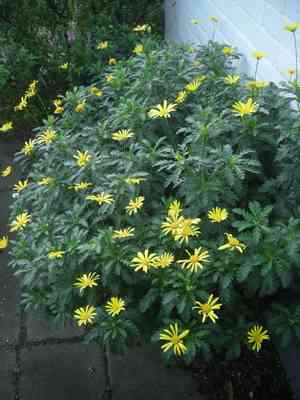
African bush daisy (Euryops chrysanthemoides)
Also known as: African Bush Daisy, Resin Bush, Golden Daisy Bush
The African bush daisy, an evergreen shrub originating from Southern Africa, is often known as the "Daisy Bush."
Attributes of African bush daisy
Images of African bush daisy
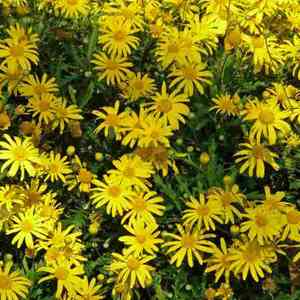
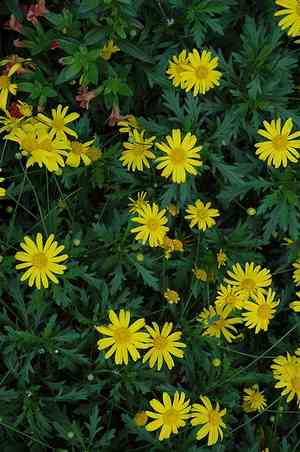
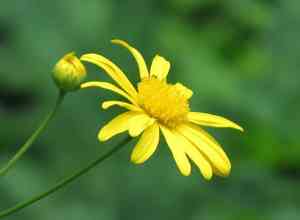
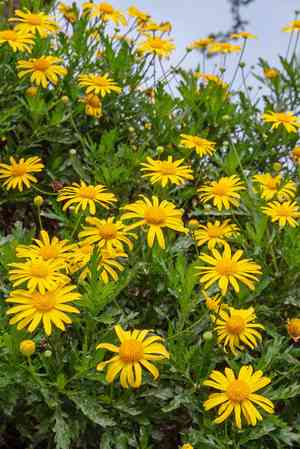
Quickly Identify African bush daisy
Scientific Classification of African bush daisy
Planting and Growing of African bush daisy
 How to Water African bush daisy?
 What Are the Sunlight Requirements for African bush daisy?
 What Is the Ideal Temperature Range for African bush daisy?
 What Soil is Best for African bush daisy?
 How to Fertilize African bush daisy?
 How to Prune African bush daisy?
 How to Propagate African bush daisy plant?
 How to Repot African bush daisy plant?
Toxicity of African bush daisy
Is African bush daisy toxic to cat?
The African bush daisy poses a toxic threat to cats, particularly if they ingest its leaves. Should a cat inadvertently consume any portion of the african bush daisy, it might exhibit signs of poisoning that may manifest as physical discomfort, illness, or general distress. Considering the serious health risks involved, it is essential to pursue immediate veterinary assistance if a cat is believed to have eaten african bush daisy, ensuring the best possible care for the impacted feline.
Is African bush daisy toxic to dog?
The African bush daisy is regarded as poisonous for dogs. Canines might unintentionally consume sections of this plant, especially the leaves, which are identified as toxic. Should a dog ingest any part of the African bush daisy, it may show symptoms including vomiting, diarrhea, lethargy, or potentially more severe reactions based on the quantity eaten. It is vital for dog owners to keep a close eye on their pets and restrict their access to the African bush daisy to prevent accidental poisonings. If a dog does manage to consume this plant, prompt veterinary assistance is crucial to ascertain appropriate care and treatment.



