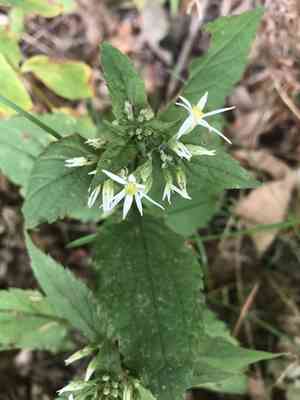
Eurybia (Eurybia) (Eurybia)
Also known as: Aster, Michaelmas daisies
Eurybia, while similar to asters, can be distinguished by their scientific name, which originates from Greek mythology. "Eurybia" combines "eurys," meaning "wide," and "baios," meaning "few." This likely refers to the plant's broader but fewer ray florets compared to asters. Another notable distinction is that Eurybia species frequently hybridize naturally among themselves. These differences, along with morphological variations, set Eurybia apart from true asters.
In This Article
Attributes of Eurybia (Eurybia)
Lifespan
Perennial
Plant Height
30 to 90 centimeters
Spread
N/A (Herbaceous plant)
Leaf Color
Green
Flower Size
2 to 5 centimeters
Flower Color
White, purple, blue, pink
Images of Eurybia (Eurybia)
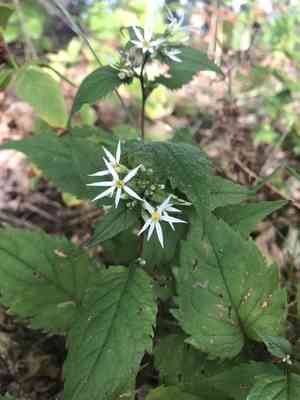
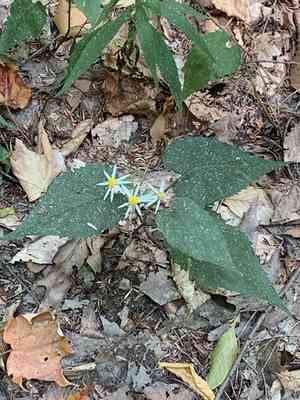
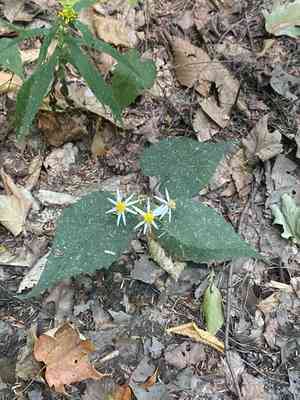
Quickly Identify Eurybia (Eurybia)
1
To identify Eurybia, look for clusters of daisy-like flowers with numerous ray florets surrounding a central disk. Leaves are typically lance-shaped and can be hairy.
Scientific Classification of Eurybia (Eurybia)
Phylum
Tracheophyta
Class
Magnoliopsida
Order
Asterales
Family
Asteraceae
Genus
Eurybia
Planting and Growing of Eurybia (Eurybia)
Care Difficulty
Moderate
Watering Schedule
Every 4 days
Sunlight Requirements
Partial sun
Sunshine Duration
6-12 hours
Ideal Temperature
60-75℉
Soil Type
Potting Mix, Peat Mix
Soil pH
6.5-7.5
Fertilizer Type
Balanced
Pruning Season
Spring, Summer
Pruning Area
Branches, Leaves
Pruning Frequency
2 times a year
Repotting Season
Spring
Pot Type
Terracotta, Plastic
 How to Water Eurybia (Eurybia)?
Eurybia requires a moderate amount of water that ensures the soil remains consistently moist but never waterlogged. Water around 300 ml at a time, making sure it seeps into the soil completely. The aim is to moisten the root zone without leaving any standing water.
What are the symptoms of an underwatered Eurybia (Eurybia)?
›
What should I do if my Eurybia (Eurybia) is not getting enough water?
›
What are the symptoms of an overwatered Eurybia (Eurybia)?
›
How to save an overwatered Eurybia (Eurybia)?
›
 What Are the Sunlight Requirements for Eurybia (Eurybia)?
Partial sun is ideal for Eurybia, receiving 4 to 6 hours of light daily. This balance promotes vibrant blooms and healthy growth without the stress of excessive direct sun.
How much sun does Eurybia need?
›
Where should I position Eurybia for optimal lighting?
›
What are the benefits of ideal lighting for Eurybia?
›
 What Is the Ideal Temperature Range for Eurybia (Eurybia)?
The ideal temperature range for Eurybia plants is typically between 60°F and 75°F. This temperature range mimics the conditions of their natural habitat, allowing them to grow and thrive optimally. Keeping the temperature within this range supports effective photosynthesis and other vital physiological functions, ensuring healthy growth.
 What Soil is Best for Eurybia (Eurybia)?
Eurybia thrives in soil that offers excellent drainage to prevent root rot. Well-drained soil ensures the roots are aerated and not waterlogged, allowing optimal nutrient absorption and promoting healthy growth. A nutrient-rich soil is essential for Eurybia to flourish. It provides the necessary minerals and vitamins that support vibrant blooms and robust health of the plant, resulting in a picturesque garden. Eurybia prefers slightly acidic to neutral pH levels, ranging from 6.5 to 7.5. This pH range aids in the proper uptake of nutrients, ensuring lush green foliage and vibrant flowers.
 How to Fertilize Eurybia (Eurybia)?
Eurybia, being a hardy perennial, benefits from a balanced approach to fertilization. Use a water-soluble fertilizer diluted to half strength. Typically, a dosage of 1 tablespoon per gallon of water should suffice. This amount ensures the plant receives necessary nutrients without overwhelming it, promoting steady growth and vibrant blooms.
 How to Prune Eurybia (Eurybia)?
Before you begin pruning, make sure all your tools are sanitized to prevent any disease transmission. Use sharp pruning shears to ensure clean cuts, which help the plant heal faster and reduce stress. Examine the Eurybia plant to recognize its growth pattern. Pay attention to any intersecting branches, dead wood, or suckers that might require attention. This will guide you on which parts need pruning. Target dead, diseased, or overgrown branches first. Cut at a 45-degree angle just above a bud or node, which promotes new growth. Removing excess foliage in an orderly manner will help the plant maintain a healthy structure. After pruning, clean up all cuttings and debris around the plant. This prevents fungal growth and keeps pests away, ensuring the area around Eurybia remains tidy and hygienic.
 How to Propagate Eurybia (Eurybia) plant?
1
To prepare Eurybia seeds for sowing, start by cleaning them thoroughly to remove any debris. Soak the seeds overnight to enhance germination rates by softening the seed coat.
2
Select healthy stems from the parent plant and cut them at a 45-degree angle. Ensure each cutting is about 4 to 6 inches long and remove any leaves from the lower part.
3
Carefully dig up the mature Eurybia plant and shake off excess soil. Use a sharp knife to divide the root ball into sections, ensuring each has several roots and shoots.
 How to Repot Eurybia (Eurybia) plant?
1
Eurybia typically signals its need for repotting when roots start emerging from the drainage holes or growth appears stunted. Early spring or during summer is ideal for providing a fresh start in a new pot, allowing ample growing time under favorable conditions.
2
Select a pot that's one size larger than the current one, ideally with good drainage holes to prevent root rot. A breathable material like terracotta is recommended as it helps regulate moisture levels and promotes healthy root development.
3
Opt for a well-draining potting mix with ample organic matter. This soil composition ensures that excess water can escape easily, preventing root rot while retaining necessary moisture and nutrients for sustained growth.

