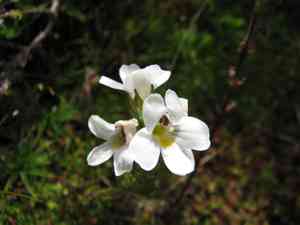
eyebrights (Euphrasia) (Euphrasia)
Also known as: Eyebright
Eyebrights, belonging to the genus Euphrasia, include around 450 species of herbaceous plants in the Orobanchaceae family (previously part of Scrophulariaceae). These plants, found worldwide, are semi-parasitic on grasses and other vegetation. Their flowers, often terminal and bilaterally symmetrical, commonly display colors like white or purple, frequently featuring yellow markings on the lower petal to attract pollinators.
In This Article
Attributes of eyebrights (Euphrasia)
Lifespan
Annual
Plant Height
3-12 inches (7.5-30 cm)
Spread
Not applicable as Euphrasia does not have a crown in the traditional tree sense.
Leaf Color
Green
Flower Size
0.2-0.4 inches (0.5-1 cm)
Flower Color
White or purple with yellow spots
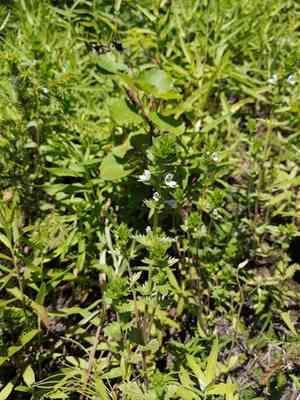
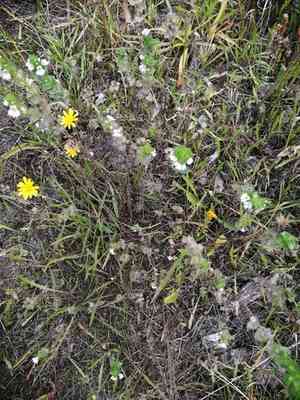
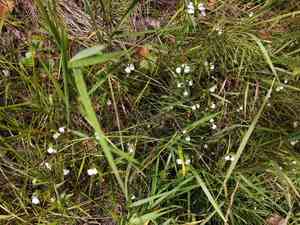
Images of eyebrights (Euphrasia)

Quickly Identify eyebrights (Euphrasia)
1
Euphrasia plants are recognized for their small white or purple flowers with a distinctive yellow spot and dark veins. The leaves are usually opposite, small, and toothed.
Scientific Classification of eyebrights (Euphrasia)
Phylum
Tracheophyta
Class
Magnoliopsida
Order
Lamiales
Family
Orobanchaceae
Genus
Euphrasia
Planting and Growing of eyebrights (Euphrasia)
Care Difficulty
Moderate
Watering Schedule
Every 4 days
Sunlight Requirements
Partial sun
Sunshine Duration
4-6 hours
Ideal Temperature
60-75℉
Soil Type
Potting Mix, Peat Mix
Soil pH
6.5-7.5
Fertilizer Type
Balanced
Pruning Season
Spring, Summer
Pruning Area
Branches, Leaves
Pruning Frequency
2 times a year
Repotting Season
Spring
Pot Type
Plastic, Ceramic
 How to Water eyebrights (Euphrasia)?
The Euphrasia, also known as Eyebright, is a delicate plant that thrives under specific moisture conditions. It prefers a consistent, but not over-saturated, soil environment. Water this plant with about 100ml per session, ensuring the soil feels damp but not waterlogged. Always check the top 2cm of soil; it should be dry before you water again. This careful method prevents root rot and maintains optimum health for the plant.
What are the symptoms of an underwatered eyebrights (Euphrasia)?
›
What should I do if my eyebrights (Euphrasia) is not getting enough water?
›
What are the symptoms of an overwatered eyebrights (Euphrasia)?
›
How to save an overwatered eyebrights (Euphrasia)?
›
 What Are the Sunlight Requirements for eyebrights (Euphrasia)?
Partial sun with 4 to 6 hours of light daily allows Euphrasia to thrive. This range supports robust flowering and prevents foliage stress, ensuring vibrant health and development.
How much sun does Euphrasia need?
›
How to ensure Euphrasia gets ideal lighting?
›
What benefits come from Euphrasia receiving optimal light?
›
 What Is the Ideal Temperature Range for eyebrights (Euphrasia)?
The ideal temperature range for Euphrasia lies between 60°F to 75°F. Maintaining temperatures within this range ensures optimal growth and health. Euphrasia thrives in cooler climates, often found in mountainous regions. A stable temperature within these bounds is crucial to mimic its natural habitat and foster healthy development.
 What Soil is Best for eyebrights (Euphrasia)?
Euphrasia thrives in well-drained soils because they ensure that water doesn't accumulate around the roots. This prevents root rot and promotes healthy growth. Having well-drained soil is crucial for maintaining the delicate balance of nutrients that Euphrasia requires for optimal health. The plant performs best in soils with moderate fertility. Euphrasia does not require excessively nutrient-rich environments, and too many nutrients can actually hinder its growth. Moderate fertility ensures the plant receives just the right amount of nutrients without overwhelming it. While Euphrasia prefers well-drained soil, it is also important that the soil retains some moisture. This balance keeps the plant hydrated but not waterlogged, encouraging healthy development and vibrant foliage.
 How to Fertilize eyebrights (Euphrasia)?
Euphrasia generally requires a balanced application of nutrients. For liquid fertilizers, a quarter-strength solution is ideal. Over-fertilizing can harm this delicate plant. When using solid fertilizers, opt for a slow-release formula at half the manufacturer's recommended amount.
 How to Prune eyebrights (Euphrasia)?
First, look for any dead or diseased stems. Cut these back to healthy tissue to prevent the spread of disease and open up the plant to more light and air circulation. Trim the plant to maintain a desirable shape. Focus on cutting back longer, leggy stems to encourage a bushier growth habit and more flowers. After flowering, deadhead spent blooms to stimulate new flower growth and prolong the blooming period. This keeps the plant looking tidy and increases its aesthetic appeal.
 How to Propagate eyebrights (Euphrasia) plant?
1
Collect seeds from mature euphrasia plants and store them in a cool, dry place until you're ready to sow. Before planting, some gardeners recommend soaking seeds in warm water for 24 hours to enhance germination.
2
Fill seed trays with sterile potting mix and evenly distribute the seeds on the surface. Lightly cover them with a thin layer of the potting mix. Ensure the seeds are not buried too deep, as euphrasia seeds require some light for germination.
3
Water the trays gently using a spray bottle to avoid displacing the seeds. Place the trays in an area with indirect sunlight. Consistent moisture is crucial, but be careful to avoid waterlogging, as this can lead to fungal issues.
 How to Repot eyebrights (Euphrasia) plant?
1
Euphrasia shows signs of needing a repot when you see roots starting to circle around the pot or protrude from the drainage holes. These indicators suggest your plant has outgrown its current home and is seeking more space and nutrient-rich soil. Ideally, repot during the active growing seasons, spring or summer, to minimize stress.
2
Choose a pot that is only one size larger than the current one. This prevents the plant from sitting in excess moisture, reducing the risk of root rot. A clay pot can be beneficial for Euphrasia as it allows excess moisture to evaporate, keeping the roots healthy and happy.
3
Opt for a well-draining, loamy soil mix to ensure Euphrasia has the optimal environment for root growth. Such a soil mix retains enough moisture to nourish the plant while allowing excess water to quickly drain away, preventing waterlogging which could lead to root rot.

