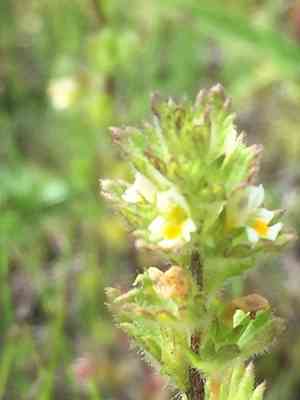
Arctic eyebright (Euphrasia subarctica)
Also known as: Eyebright
Arctic eyebright is a small, herbaceous perennial known for its charming white to violet flowers adorned with yellow spots and fine purple streaks. It excels in subarctic climates, favoring moist, well-drained soils typically found in alpine regions. This resilient plant is well-adapted to cold environments, featuring narrow, hairy leaves that help minimize water loss. Its compact growth form and hemiparasitic nature, which allows it to draw nutrients from nearby plants, further support its survival in nutrient-poor, harsh conditions.
In This Article
Attributes of Arctic eyebright
Lifespan
Annual
Plant Type
Herb
Plant Height
5-30 cm
Spread
N/A
Leaf Color
Green
Flower Size
0.5-1 cm
Flower Color
White or pale lilac with yellow or purple markings
Images of Arctic eyebright
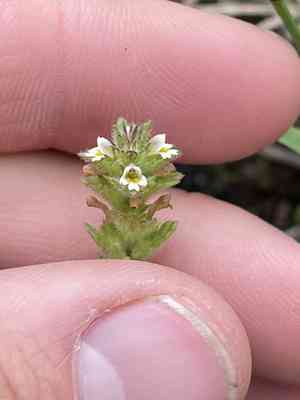
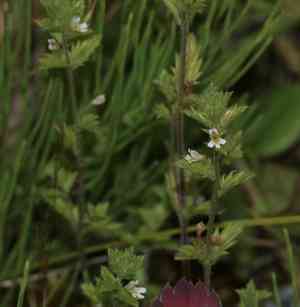
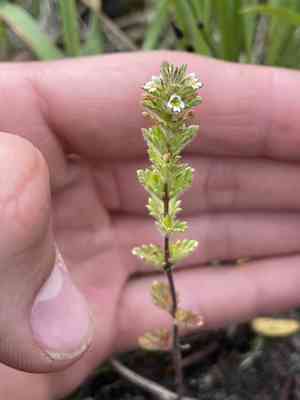
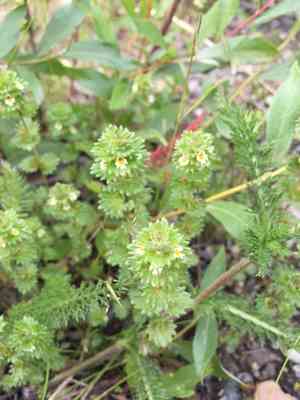
Quickly Identify Arctic eyebright
1
Euphrasia subarctica can be identified by its small, white or pale lilac flowers with yellow or purple markings, and its opposite, toothed leaves. Its height ranges from 5-30 cm.
Scientific Classification of Arctic eyebright
Phylum
Vascular plants
Class
Dicotyledons
Order
Lamiales
Family
Broomrape
Genus
eyebrights
Species
Arctic eyebright
Planting and Growing of Arctic eyebright
Care Difficulty
Hard
Watering Schedule
Every 2 days
Sunlight Requirements
Partial sun
Sunshine Duration
6-10 hours
Ideal Temperature
50-68℉
Soil Type
Potting Mix, Peat Mix
Soil pH
5.5-7
Fertilizer Type
Balanced
Pruning Season
Spring, Summer
Pruning Area
Branches, Leaves
Pruning Frequency
2 times a year
Repotting Season
Spring
Pot Type
Terracotta, Plastic
 How to Water Arctic eyebright?
Euphrasia subarctica thrives best with moderate watering. When providing water, aim for about 100 ml each time. Ensure the soil feels slightly moist to the touch but not soggy. This plant prefers well-drained soil, so be cautious not to create standing water. Let the top inch of soil dry out before the next watering to prevent root rot and ensure optimal health.
What are the symptoms of an underwatered Arctic eyebright?
›
What should I do if my Arctic eyebright is not getting enough water?
›
What are the symptoms of an overwatered Arctic eyebright?
›
How to save an overwatered Arctic eyebright?
›
 What Are the Sunlight Requirements for Arctic eyebright?
Partial sun ensures Euphrasia subarctica gains necessary light for photosynthesis while preventing stress. It yields robust growth and resilience against diseases.
What's the best lighting condition?
›
How can you achieve ideal sunlight for this plant?
›
What benefits come from ideal light exposure?
›
 What Is the Ideal Temperature Range for Arctic eyebright?
Euphrasia subarctica thrives best in temperate climates where the temperature ranges between 50°F and 68°F. These conditions mimic its natural habitat and promote optimal growth. When temperatures are maintained within this range, the plant experiences vigorous growth and robust flowering, indicating a balance that supports its metabolic functions.
 What Soil is Best for Arctic eyebright?
Euphrasia subarctica thrives in well-drained soil that prevents waterlogging, promoting healthy root growth and preventing fungal diseases. Ensuring adequate drainage can help the plant flourish by maintaining an optimal balance of moisture. This plant favors a nutrient-rich substrate to support its growth and flowering. Soil rich in organic matter boosts growth and vitality, providing essential nutrients that facilitate the development of vibrant foliage and flowers. Euphrasia subarctica benefits from soil that retains moderate moisture—enough to prevent drought stress but not so much as to cause saturation. Maintaining this balance is key to plant health, encouraging robust growth and resilience.
 How to Fertilize Arctic eyebright?
Euphrasia subarctica, a peculiar and subtle plant, requires careful attention to fertilization. Use a balanced, low-concentration fertilizer, applying no more than half the recommended strength for general use. This conservative approach avoids overwhelming its delicate roots and maintains its natural vigor.
 How to Prune Arctic eyebright?
Begin by identifying any dead or damaged stems to remove first. Use sharp, clean scissors or shears for precise cuts. Trim the plant back to a healthy bud or intersecting stem, ensuring not to cut more than a third of its overall size. This will invigorate the plant, promoting more robust growth and flowering potential. Avoid cutting too close to the bud to reduce stress on the plant. Focus on maintaining a balanced shape by selectively trimming overgrown areas that disrupt symmetry. Target any crossing or rubbing branches to open up the plant's structure, allowing for better light penetration and air circulation. Such shaping not only enhances the aesthetic appeal but also improves the plant's overall health.
More About Pruning Techniques→
 How to Propagate Arctic eyebright plant?
1
Start by filling a seed tray with a light soil mix. Sow the seeds on the surface and lightly press them into the soil. Ensure even distribution and avoid burying the seeds too deep. Water gently to keep the soil moist.
2
Keep the seed tray in a warm, bright area, avoiding direct sunlight. Maintain consistent moisture levels by covering the tray with a clear plastic lid or using a misting bottle. This step is crucial to prevent the seeds from drying out.
3
Once seedlings have developed a few true leaves, they can be carefully transplanted to individual pots or directly into the garden. Handle gently to avoid damaging delicate roots, and transplant during cooler parts of the day.
 How to Repot Arctic eyebright plant?
1
Euphrasia subarctica shows clear signs when it needs repotting. Look out for roots peeking out of the drainage holes or if the plant seems to be growing slower than usual. These signs suggest that there's not enough room for the plant to expand or not enough nutrients in the soil. Ideally, repotting should be done in the mild seasons of spring or autumn to minimize plant stress.
2
Choosing the right pot is critical for the healthy growth of Euphrasia subarctica. Opt for a pot that is 1-2 inches larger in diameter than the current one to provide sufficient space for root expansion. Ensure it has drainage holes, as this prevents waterlogging and root rot. A ceramic or plastic pot can maintain balanced moisture levels, perfect for this plant's needs.
3
Choosing the right soil for repotting Euphrasia subarctica ensures robust growth. Use a well-draining potting mix that can hold sufficient moisture but allows excess water to seep through. Adding a mix of peat, perlite, and sand can create the optimal environment, preventing root rot and providing essential aeration for healthy roots.
Learn More About Arctic eyebright Diseases
Anthracnose
Bacterial Leaf Spot
Bacterial Wilt
Chemical Injury
Damping-off
Downy Mildew
Drought Stress
Fusarium Wilt
Gray Mold
Leaf Curl
Leaf Spot
Mosaic
Nutrient Deficiency
Nutrient Toxicity
Powdery Mildew
Root Rot
Root-knot Nematode
Rusts
Sooty Mold
Spider Mites
Temperature Stress
Thrips Damage
White Mold


