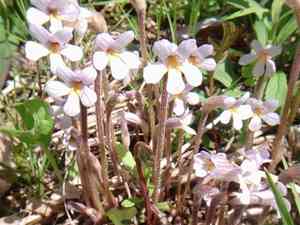
Drug eyebright (Euphrasia stricta)
Also known as: Glossy eyebright
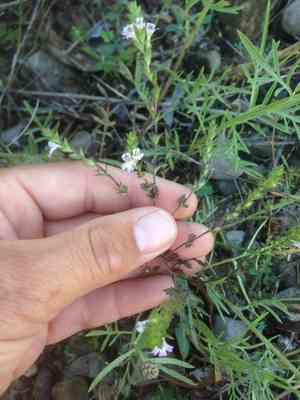
Stiff Eyebright (Euphrasia stricta) ranges from 5 to 30 cm in height and is semi-parasitic. It often has a dark burgundy hue. The plant is characterized by its erect side branches and upright leaves with a wedge-shaped base. The leaves have 4 to 6 teeth on each side, often tipped with dark-red bristles.
In This Article
Attributes of Drug eyebright
Lifespan
Annual
Plant Type
Herb
Plant Height
15 cm to 46 cm
Spread
n/a
Leaf Color
Green
Flower Size
2.5 cm to 5 cm
Flower Color
White Yellow Purple
Images of Drug eyebright
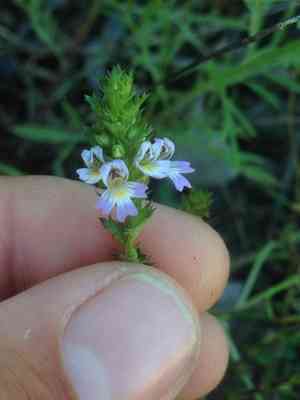
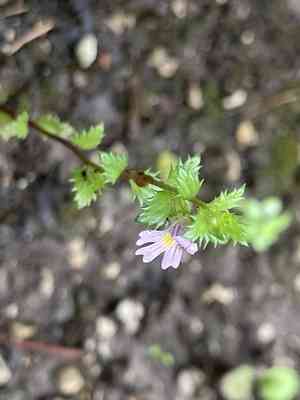
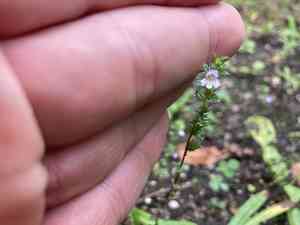
Quickly Identify Drug eyebright
1
Euphrasia stricta can be identified by its small, white or lilac flowers with a yellow spot, serrated leaves, and its semi-parasitic nature, often attaching to the roots of grasses and other plants.
Scientific Classification of Drug eyebright
Phylum
Vascular plants
Class
Dicotyledons
Order
Lamiales
Family
Broomrape
Genus
eyebrights
Species
Drug eyebright
Planting and Growing of Drug eyebright
Care Difficulty
Easy
Watering Schedule
Every 4 days
Sunlight Requirements
Full sun
Sunshine Duration
4-8 hours
Ideal Temperature
60-77℉
Soil Type
Potting Mix, Peat Mix
Soil pH
6.5-7.5
Fertilizer Type
Balanced
Pruning Season
Spring, Summer
Pruning Area
Branches, Leaves
Pruning Frequency
2 times a year
Repotting Season
Spring
Pot Type
Plastic, Ceramic
 How to Water Drug eyebright?
Euphrasia stricta prefers a balance in terms of moisture. It is crucial to ensure that the soil remains slightly moist but not saturated. Water approximately 100 ml of water, allowing the top inch of soil to dry out between waterings. This will prevent root rot and ensure the plant stays healthy.
What are the symptoms of an underwatered Drug eyebright?
›
What should I do if my Drug eyebright is not getting enough water?
›
What are the symptoms of an overwatered Drug eyebright?
›
How to save an overwatered Drug eyebright?
›
 What Are the Sunlight Requirements for Drug eyebright?
Partial to full sun is ideal for Euphrasia stricta. In proper light, this plant will exhibit vigorous growth and produce abundant, vivid blooms, enhancing both its beauty and ecological contributions.
What is the ideal light condition for Euphrasia stricta?
›
How can I optimize light conditions for Euphrasia stricta?
›
What benefits come from providing Euphrasia stricta with ideal light conditions?
›
 What Is the Ideal Temperature Range for Drug eyebright?
Euphrasia stricta thrives best within a temperature range of 60 to 77°F. This range ensures optimal growth by promoting proper metabolic functions and supporting robust plant health. Consistent temperatures within this range prevent stress and encourage the plant's developmental processes, leading to healthy foliage and blooms.
 What Soil is Best for Drug eyebright?
Euphrasia stricta thrives in well-draining soil, which prevents water from pooling around its roots. This is crucial as stagnant water can lead to root rot, which is detrimental to the plant's health. A well-draining soil ensures that the plant receives the right amount of moisture without the risk of waterlogging. This plant benefits from a nutrient-rich soil that provides essential minerals for its growth. Rich soils support the plant’s overall health, enhancing its growth rate, vigor, and flowering potential. Such a composition acts as a natural fertilizer, decreasing the need for external supplements. An optimal amount of organic matter helps maintain soil structure, which supports root development. Organic matter contributes to nutrient availability and retention, ensuring that Euphrasia stricta receives consistent nourishment. Moreover, it improves soil aeration and helps manage moisture levels effectively.
 How to Fertilize Drug eyebright?
When fertilizing Euphrasia stricta, it's crucial to use a balanced fertilizer with a lower nitrogen content to avoid encouraging excessive leaf growth at the expense of flowers. Apply liquid fertilizer at half-strength to prevent over-fertilization, as these plants are not heavy feeders.
 How to Prune Drug eyebright?
Start by examining the plant to identify any dead or diseased stems and leaves. These should be removed first to prevent further spread of disease and to improve overall plant health. Snip back any overgrown areas to maintain the desired shape. Make cuts just above a node or leaf to encourage bushier growth, and aim for a natural-looking shape rather than a rigid form. After pruning, monitor the plant for signs of stress or new growth. Adjust your care routine as needed to provide additional water or nutrients to support recovery and further growth.
More About Pruning Techniques→
 How to Propagate Drug eyebright plant?
1
Fill the seed tray with propagating medium and ensure it is evenly spread. It's important to moisten the medium lightly before planting seeds for better germination.
2
Scatter the seeds thinly over the surface of the propagation medium, and lightly press them into the soil. Do not cover the seeds as they need sunlight for germination.
3
Place the seed tray in a warm, well-lit area, but out of direct sunlight. Maintain a consistent temperature around 15-20 degrees Celsius and keep the medium moist but not waterlogged.
 How to Repot Drug eyebright plant?
1
Euphrasia stricta should be repotted when you notice the roots crowding their container or poking through drainage holes. This indicates a lack of space for growth and a need for fresh nutrients. Another signal is if the plant appears stressed or growth stagnates despite optimal care.
2
Select a pot that is slightly larger than the current one, ideally 1-2 inches wider in diameter. Choosing a pot with appropriate drainage holes is crucial to prevent waterlogging, which can lead to root rot. The material can be plastic or clay, but clay pots are preferable for their porous nature, promoting better moisture regulation.
3
Opt for a well-draining potting mix, combining equal parts of sand, peat, and compost. This blend provides optimal drainage while retaining enough moisture for root health and nutrient absorption. Avoid heavy soils that tend to compact as they might suffocate the roots and impede growth.



