Spurges (Euphorbia)(Euphorbia)

Spurges (Euphorbia) (Euphorbia)

Also known as: Spurge, Milkweed

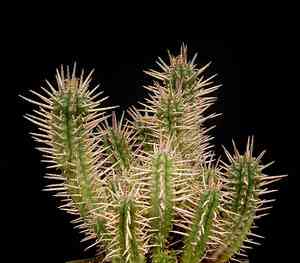
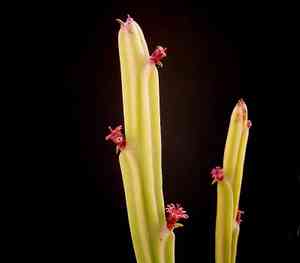
Euphorbia, commonly known as spurge, includes a diverse range of plants such as annuals, biennials, perennials, shrubs, and trees. They are notable for their milky, often toxic latex sap. The roots can vary, being fine, thick, fleshy, or tuberous. Many Euphorbia species are adapted to dry conditions, with succulent, sometimes thorny, stems. These succulent species can grow between 15 to 91 cm in height. The leaves, which may be arranged oppositely, alternately, or in whorls, often fall off seasonally.

The flowers of Euphorbia are grouped in a unique structure called a cyathium, which mimics a single flower but is actually a cluster. The fruit is typically a capsule with three compartments, though occasionally two, and usually dries and splits open to release seeds. The seeds themselves can be four-angled, oval, or spherical, and some species feature a caruncle. With over 2,000 species, Euphorbia is globally distributed, thriving in various environments from deserts to tropical regions.

Attributes of Spurges (Euphorbia)

Lifespan
Annual, Biennial, Perennial
Plant Height
30 cm to 46 cm
Spread
30 cm to 60 cm
Leaf Color
Green, some species have variegated or reddish leaves
Flower Size
2.5 cm
Flower Color
Yellow, green, red, or white, often surrounded by colorful bracts

ForwardPlant - Identify plants with a snap

Identify and diagnose plants, get toxicity alerts, and explore safety guides for all types of fungi.

Try for Free

Images of Spurges (Euphorbia)

Spurges (Euphorbia)(Euphorbia)

Quickly Identify Spurges (Euphorbia)

1
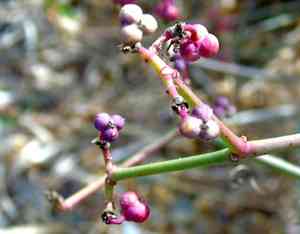
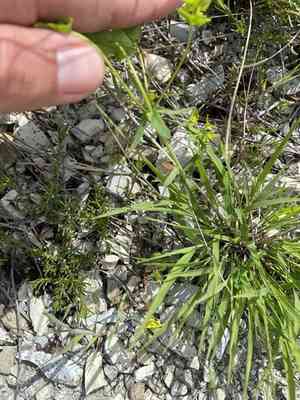
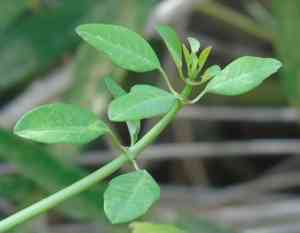
Euphorbia plants typically have a milky latex sap that can be toxic and irritating to the skin and eyes. The plants often have unique, showy flowers called cyathia, and many species possess cactus-like, succulent characteristics.

Scientific Classification of Spurges (Euphorbia)

Phylum
Magnoliophyta
Class
Magnoliopsida
Order
Malpighiales
Family
Euphorbiaceae
Genus
Euphorbia

Planting and Growing of Spurges (Euphorbia)

Care Difficulty
Moderate
Watering Schedule
Every 2 days
Sunlight Requirements
Full sun
Sunshine Duration
6-10 hours
Ideal Temperature
65-75℉
Soil Type
Potting Mix, Peat Mix
Soil pH
6.5-7.5
Fertilizer Type
Balanced
Pruning Season
Spring, Summer
Pruning Area
Branches, Leaves
Pruning Frequency
Once a year
Repotting Season
Spring
Pot Type
Plastic, Ceramic

water icon How to Water Spurges (Euphorbia)?

Euphorbia, also known as Spurge, thrives with moderate watering—typically around 150 ml each session. You should aim for the soil to be moist but not waterlogged, as these succulents prefer drier conditions. Always check the top inch of the soil; if it feels dry, it's time to water.
What are the symptoms of an underwatered Spurges (Euphorbia)?
What should I do if my Spurges (Euphorbia) is not getting enough water?
What are the symptoms of an overwatered Spurges (Euphorbia)?
How to save an overwatered Spurges (Euphorbia)?

sunlight icon What Are the Sunlight Requirements for Spurges (Euphorbia)?

Sunlight Requirements: Full sun, Partial sun
Duration of light: 4 to 6 hours
Euphorbia grows best with 4 to 6 hours of sunlight per day. This ideal range ensures robust photosynthesis, supporting healthy growth and strength. Adequate light exposure is crucial for vibrant color retention and flowering in species prone to bloom.
What is the best light condition for Euphorbia?
How can I achieve the ideal light condition for Euphorbia?
What benefits does optimal lighting offer to Euphorbia?

temperature icon What Is the Ideal Temperature Range for Spurges (Euphorbia)?

Ideal Temperature: 65 ~ 75℉
For optimal growth, Euphorbia plants thrive best in temperatures ranging from 65°F to 75°F. These temperatures mimic the plant's natural environment where it can best perform physiological processes such as photosynthesis and respiration. Ensuring that Euphorbia is kept within this range can promote healthy growth and enhance blooming.

soil icon What Soil is Best for Spurges (Euphorbia)?

Soil type: Sandy soil, Loam, Clay soil
Soil PH: 6.5 ~ 7.5
Euphorbia prefers well-drained soil which prevents waterlogging and root rot. Adequate drainage ensures the roots receive enough oxygen and nutrients, promoting healthy growth. This plant benefits from soil with moderate fertility. Excessive nutrients can lead to lush growth but compromise flowering. Balanced soil fertility helps maintain overall plant vigor. Euphorbia thrives in neutral to slightly alkaline soil. Maintaining the right pH balance ensures optimal nutrient absorption and prevents nutrient deficiencies.

fertilize icon How to Fertilize Spurges (Euphorbia)?

Fertilizer type: Balanced
The plant Euphorbia has a modest nutrient requirement. Utilize a balanced fertilizer diluted to one-quarter its recommended strength, ensuring not to overwhelm its roots. Proper amounts enable robust growth without risking nutrient burn.

prune icon How to Prune Spurges (Euphorbia)?

Pruning Time: Spring, Autumn
Begin by closely inspecting your Euphorbia for any stems that appear dead, damaged, or diseased. These will often be discolored or feel brittle compared to healthy stems. Carefully cut them away at the base using sharp, sterilized pruning shears. After removing problem areas, focus on shaping the plant by trimming back any overly long or awkwardly placed branches. Aim to maintain a symmetrical shape that allows light to evenly reach all parts of the plant. Make cuts just above a node to encourage new growth. For Euphorbia varieties that grow taller, consider selectively pruning the tips of the branches to stimulate further vertical growth. This focused pruning encourages the plant to grow upwards rather than sprawling sideways, maintaining its distinctive upright posture.

propagate icon How to Propagate Spurges (Euphorbia) plant?

Propagate Time: Spring, Early summer, Late summer
1
Choose healthy, disease-free stems or branches to make your cuttings. Ideally, each cutting should be around 3 to 5 inches long. Make sure to use sterilized pruning shears to avoid disease transmission.
2
After selecting the desired part of the plant, trim away any leaves or flowers close to the base of the cutting. This ensures that energy is directed towards root development rather than sustaining foliage.
3
Dip the cut end in rooting hormone and plant it into a well-draining potting mix. Ensure at least a third of the cutting is submerged in the soil, and gently firm the soil around it.

repot icon How to Repot Spurges (Euphorbia) plant?

Repotting frequency: Every 2-3 years
1
Euphorbia should be repotted when its roots start peeking out of the drainage holes, indicating that the plant is root-bound. You may also notice slowed growth or wilting despite adequate care. Repotting is best done during the growing seasons of spring or summer to minimize stress.
2
Select a pot that is only slightly larger than the current one to avoid excess soil that retains water, leading to root rot. Ensure the pot has drainage holes, as this helps to prevent overwatering issues and contributes to the plant's health by facilitating adequate soil aeration.
3
A well-draining, gritty mix is essential for Euphorbia to mimic their natural arid conditions. A blend of cactus mix with added perlite works well. This type of soil mix allows excess water to runoff quickly, reducing the chance of root diseases and supporting the plant's natural resilience.

ForwardPlant - Identify plants with a snap

Find the best spots for them to optimize their health, simply using your phone.

Try for Free

Toxicity

Ingestion, Skin Contact

Identify toxic plants for your safety

Learn which plants are harmful to you and your pets, and make informed choices for a safer home!

Try for Free
WARNING
The judgment on toxicity and danger is for reference only. We DO NOT GUARANTEE any accuracy of such judgment. Therefore, you SHALL NOT rely on such judgment. It is IMPORTANT TO SEEK PROFESSIONAL ADVICE in advance when necessary.