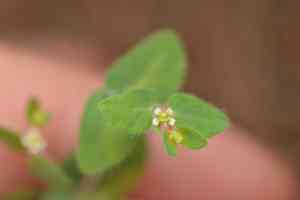
Hairy sandmat (Euphorbia villifera)
Also known as: Villous Spurge
The hairy sandmat thrives in arid environments, featuring a compact structure with spiny stems. This cactus-like shape helps reduce water loss. The plant's distinctive hairy leaves play a crucial role in retaining moisture, helping it survive in dry conditions. Additionally, it produces small clusters of yellow flowers, adding to its unique appearance.
In This Article
Attributes of Hairy sandmat
Lifespan
Perennial
Plant Type
Succulent
Plant Height
0 mm to 30 cm
Spread
Around 20 to 30 centimeters
Leaf Color
Green
Flower Size
Around 1 to 2 centimeters
Flower Color
Yellow-green
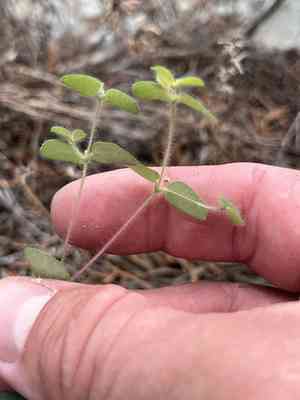
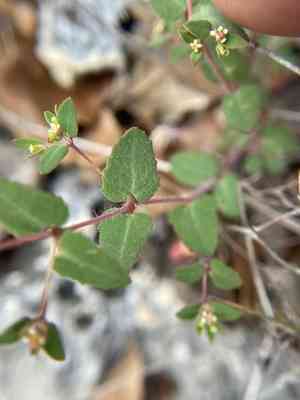
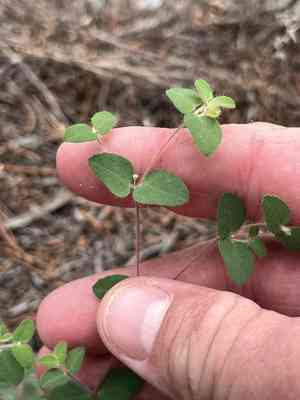
Images of Hairy sandmat
Quickly Identify Hairy sandmat
1
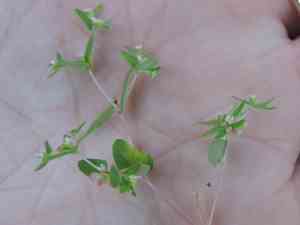
Euphorbia villifera can be identified by its hairy stems and leaves, small yellow-green cyathia (flower-like structures), and milky latex exuded when broken.
Scientific Classification of Hairy sandmat
Phylum
Vascular plants
Class
Dicotyledons
Order
Malpighiales
Family
Spurge
Genus
Spurges
Species
Hairy sandmat
Planting and Growing of Hairy sandmat
Care Difficulty
Easy
Watering Schedule
Every 2 days
Sunlight Requirements
Partial sun
Sunshine Duration
4-8 hours
Ideal Temperature
65-75℉
Soil Type
Potting Mix, Peat Mix
Soil pH
6.5-7.5
Fertilizer Type
Balanced
Pruning Season
Spring, Summer
Pruning Area
Branches, Leaves
Pruning Frequency
2 times a year
Repotting Season
Spring
Pot Type
Plastic, Ceramic
 How to Water Hairy sandmat?
Euphorbia villifera prefers a moderate amount of water. Ensure the soil is thoroughly drenched with about 250 milliliters per watering, allowing the excess to drain out completely. Avoid letting it sit in water as it's more tolerant of drought than overwatering. Water should penetrate to the root zone, but the aim is to achieve a balance where the soil remains moist but not soggy.
What are the symptoms of an underwatered Hairy sandmat?
›
What should I do if my Hairy sandmat is not getting enough water?
›
What are the symptoms of an overwatered Hairy sandmat?
›
How to save an overwatered Hairy sandmat?
›
 What Are the Sunlight Requirements for Hairy sandmat?
Euphorbia villifera grows best under partial sun, benefiting from 4-6 hours of dappled sunlight, which stimulates healthy growth patterns and robust foliage while preventing common light-related issues.
What is the ideal light condition for Euphorbia villifera?
›
How can I ensure Euphorbia villifera gets the ideal lighting?
›
What benefits does Euphorbia villifera gain from ideal lighting?
›
 What Is the Ideal Temperature Range for Hairy sandmat?
Euphorbia villifera thrives best at an ideal temperature range of 65°F to 75°F. This range is optimal because it allows for both sufficient metabolic and photosynthetic activities facilitating growth. Providing such conditions mimics its natural habitat allowing the plant to flourish and develop healthy foliage with robust structure.
 What Soil is Best for Hairy sandmat?
Euphorbia villifera thrives in well-drained soil. Proper drainage helps prevent root rot, as this plant is sensitive to overwatering. Ensuring good drainage allows the plant's roots to breathe and absorb nutrients efficiently. A nutrient-rich soil promotes strong growth in Euphorbia villifera. The presence of essential macronutrients like nitrogen, phosphorous, and potassium aids in robust foliage and flowering, enhancing the plant's vigor. While well-draining, the soil should also retain some moisture. Balanced soil moisture ensures that Euphorbia villifera remains hydrated without becoming waterlogged, crucial for maintaining its lush appearance.
 How to Fertilize Hairy sandmat?
When feeding Euphorbia villifera, it's crucial to use a balanced fertilizer, especially during the growing season. For liquid fertilizers, dilute them to half strength to avoid damaging the roots – about 1 teaspoon per gallon of water is adequate.
 How to Prune Hairy sandmat?
Start by assessing the overall shape of your Euphorbia villifera. Use clean, sharp scissors or pruning shears to cut back any overly long or untidy stems—this helps maintain a bushy and compact growth. Always cut just above a node, which is where new shoots will emerge. Remove spent or dead flowers to encourage new blooms and prevent disease. Carefully pinch or snip off the flower heads. This process, known as deadheading, not only tidies up the appearance of the plant but also diverts the plant's resources to the development of new flowers.
More About Pruning Techniques→
 How to Propagate Hairy sandmat plant?
1
Collect seeds from dry and matured Euphorbia villifera plants. It’s important to ensure seeds are free from any pests or diseases to increase germination success rates.
2
Select healthy stems and use sterilized pruning shears to cut at a 45-degree angle. Remove any leaves from the lower part of the stem, reducing moisture loss from the cutting.
3
Plant seeds or cuttings into prepared soil, making sure that the medium is nutrient-rich and well-draining. Ensure adequate spacing to allow each plant adequate light and air circulation.
 How to Repot Hairy sandmat plant?
1
Euphorbia villifera should be repotted when its roots are visibly growing out of the drainage holes or when the plant's growth has noticeably slowed. Early spring is an ideal time, as the plant is beginning its active growth phase.
2
Opt for a pot that is 1-2 inches larger in diameter than the current one and ensure it has adequate drainage holes. A terracotta pot is excellent because it allows the soil to dry out faster, preventing overwatering issues.
3
A well-draining cactus mix is essential for Euphorbia villifera. This type of soil prevents water from sitting at the roots, thereby reducing the risk of root rot and promoting healthy plant growth.
Toxicity
ingestion, contact with sap
WARNING
The judgment on toxicity and danger is for reference only. We DO NOT GUARANTEE any accuracy of such judgment. Therefore, you SHALL NOT rely on such judgment. It is IMPORTANT TO SEEK PROFESSIONAL ADVICE in advance when necessary.
Learn More About Hairy sandmat Diseases
Anthracnose
Bacterial Leaf Spot
Bacterial Soft Rot
Chemical Injury
Crown Gall
Damping-off
Downy Mildew
Drought Stress
Fusarium Wilt
Gray Mold
Leaf Spot
Mosaic
Nutrient Deficiency
Nutrient Toxicity
Powdery Mildew
Root Rot
Root-knot Nematode
Rusts
Sooty Mold
Spider Mites
Temperature Stress
Thrips Damage
White Mold


