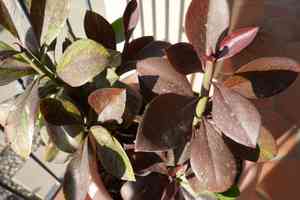
African Milk Bush (Euphorbia umbellata)
Also known as: Synadenium grantii, African Milk Bush
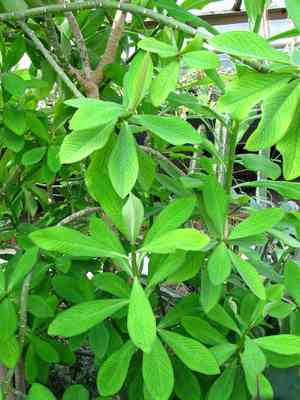
Euphorbia umbellata is a succulent shrub native to tropical Africa. It is known for its thick, fleshy stems and vibrant green leaves. The plant exudes a milky sap when cut, which is characteristic of many Euphorbias.
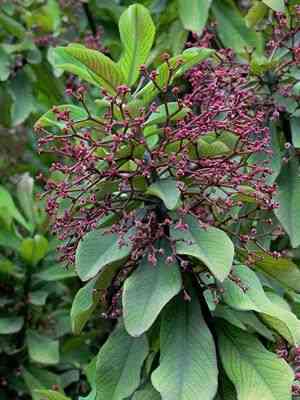
Images of African Milk Bush

Quickly Identify African Milk Bush
Scientific Classification of African Milk Bush
Planting and Growing of African Milk Bush
 How to Water African Milk Bush?
 What Are the Sunlight Requirements for African Milk Bush?
 What Is the Ideal Temperature Range for African Milk Bush?
 What Soil is Best for African Milk Bush?
 How to Fertilize African Milk Bush?
 How to Prune African Milk Bush?
 How to Propagate African Milk Bush plant?
 How to Repot African Milk Bush plant?
Toxicity of African Milk Bush
Is African Milk Bush toxic to humans?
The African Milk Bush presents a moderate toxicity risk to humans, particularly via skin contact or unintentional ingestion. This plant's sap contains diterpene esters, which contribute to its toxic characteristics. When individuals come into contact with the sap, it may provoke allergic reactions and cause skin irritation. In cases of ingestion, the sap can induce more serious symptoms, including gastrointestinal issues like vomiting and diarrhea. Therefore, it is imperative to handle the African Milk Bush with caution to prevent the sap from contacting the skin or mucous membranes, and to avoid unintentional ingestion, particularly by children who may be attracted to the plant's striking appearance.
Is African Milk Bush toxic to cat?
The African Milk Bush exhibits a moderate toxicity level for cats. Cats may experience poisoning through direct contact with or accidental ingestion of portions of the African Milk Bush, particularly its sap, which is laden with harmful diterpene esters. Encountering these toxic elements can trigger significant signs of physical distress or illness, including skin irritation upon contact or gastrointestinal issues if consumed. It is crucial for cat owners to remain alert and safeguard their pets from engaging with the African Milk Bush. Should poisoning be suspected, it is vital to obtain immediate veterinary assistance to avert the situation from deteriorating.
Is African Milk Bush toxic to dog?
The African Milk Bush presents a moderate toxicity risk to dogs. Canines are susceptible to poisoning from African Milk Bush either through skin exposure or unintentional ingestion. The toxic element of African Milk Bush is the sap of the plant, which contains harmful compounds that can trigger negative health reactions in dogs. Symptoms indicative of poisoning may consist of irritation at the contact site, vomiting, diarrhea, and potentially more serious internal complications if ingested. It is vital for dog owners to remain alert and prevent their pets from having any contact with or consuming any part of African Milk Bush. Should there be a suspicion that a dog has been poisoned by African Milk Bush, prompt veterinary intervention is critical for accurate diagnosis and treatment.



