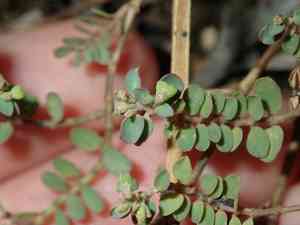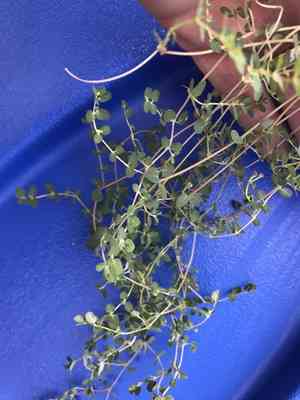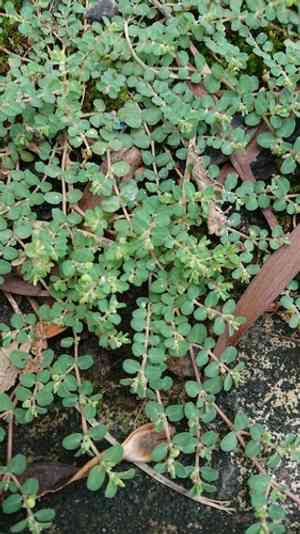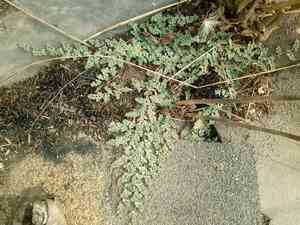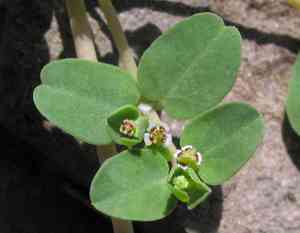
Matted Sandmat(Euphorbia serpens)

Matted Sandmat (Euphorbia serpens)

Also known as: Mattress vine, Serpent spurge

Matted Sandmat (Euphorbia prostrata) is an annual weed that spreads flat on the ground, forming a dense mat. It features a long tap root and produces resilient seeds, making it tough to remove. The sap of this plant can cause skin irritation and is toxic.

Attributes of Matted Sandmat

Lifespan
Annual
Plant Type
Herb
Plant Height
15 cm to 50 cm
Spread
60 cm
Leaf Color
Green
Flower Size
1.3 mm
Flower Color
White Green Red

PlantJoy - Identify plants with a snap

Identify and diagnose plants, get toxicity alerts, and explore safety guides for all types of fungi.

Try for Free

Images of Matted Sandmat

Matted Sandmat(Euphorbia serpens)

Quickly Identify Matted Sandmat

1
Low-lying, dense appearance due to small, rounded leaves.
2
Smooth stems and leaves lacking hairs provide a distinct texture.
3
Ground-spreading habit with ability to root at the nodes for propagation.
4
Oppositely arranged, green leaves less than 0.5 inches (1.3 cm) in length.
5
Inconspicuous greenish-white flowers in small clusters, each about 0.1 inches (2.5 mm) in diameter.

Scientific Classification of Matted Sandmat

Phylum
Vascular plants
Class
Dicotyledons
Order
Malpighiales
Family
Spurge
Genus
Spurges
Species
Matted Sandmat

Planting and Growing of Matted Sandmat

Care Difficulty
Easy
Watering Schedule
Every 3 days
Sunlight Requirements
Partial sun
Sunshine Duration
6-12 hours
Ideal Temperature
65-75℉
Soil Type
Potting Mix, Peat Mix
Soil pH
6.5-7.5
Fertilizer Type
Balanced
Pruning Season
Spring, Summer
Pruning Area
Branches, Leaves
Pruning Frequency
Once a year
Repotting Season
Spring
Pot Type
Plastic, Ceramic

water icon How to Water Matted Sandmat?

Euphorbia serpens prefers a modest watering regimen. Ensure that the soil is moist but never waterlogged. A typical session should involve about 200 milliliters to achieve slight dampness without pooling.
What are the symptoms of an underwatered Matted Sandmat?
What should I do if my Matted Sandmat is not getting enough water?
What are the symptoms of an overwatered Matted Sandmat?
How to save an overwatered Matted Sandmat?

sunlight icon What Are the Sunlight Requirements for Matted Sandmat?

Sunlight Requirements: Partial sun
Duration of light: 4 to 6 hours
Partial sun allows Euphorbia serpens to receive enough light for thriving without risking damage from full exposure. It ensures vibrant, healthy growth while reducing the risk of stress-related issues.
What type of sunlight does it prefer?
How to achieve these lighting conditions?
Benefits of ideal lighting conditions?

temperature icon What Is the Ideal Temperature Range for Matted Sandmat?

Ideal Temperature: 65 ~ 75℉
Euphorbia serpens thrives best in temperatures ranging from 65 to 75 degrees Fahrenheit. This range supports optimal metabolic processes such as photosynthesis and respiration, promoting healthy growth and reproduction. Maintaining this temperature range can help ensure that the plant does not experience stress, which can otherwise lead to reduced vigor and potential susceptibility to diseases.

soil icon What Soil is Best for Matted Sandmat?

Soil type: Sandy soil, Loam, Sandy loam
Soil PH: 6.5 ~ 7.5
Euphorbia serpens thrives in well-drained soil as it prevents root rot and allows adequate aeration. This promotes healthy root development and ensures the plant can access essential nutrients efficiently. This plant prefers soil with moderate nutrient levels. Excessive nutrients can lead to overgrowth and weak stems. Balanced nutrient levels contribute to strong, resilient foliage. While the soil should be well-drained, maintaining some moisture is crucial. Moisture retention supports the plant during dry periods without waterlogging its roots.

fertilize icon How to Fertilize Matted Sandmat?

Fertilizer type: Balanced
For Euphorbia serpens, ensure to use a balanced, water-soluble fertilizer. Opt for a half-strength solution to avoid nutrient burn. Use approximately 1 teaspoon per gallon of water when using liquid fertilizers, ensuring it is well-diluted for effective absorption.

prune icon How to Prune Matted Sandmat?

Pruning Time: Spring, Summer, Autumn
Focus on removing dead, damaged, or diseased stems. Identify any overly long or out-of-place branches that disrupt the plant's natural shape. When trimming, make cuts at a 45-degree angle just above a leaf node or bud. This encourages new growth to emerge healthily and predictably. For shaping, trim back stems evenly around the plant to maintain a balanced appearance. Regular pruning can create a neat, tidy silhouette.

propagate icon How to Propagate Matted Sandmat plant?

Propagate Time: Spring, Late spring, Early spring
1
Begin with a well-draining soil mixture suitable for succulents to support seed germination or cutting establishment. Ensure the soil is sterilized to minimize fungal infections.
2
For seeds, uniformly spread them across the surface of the soil without burying them deeply. For cuttings, insert them gently into the soil and ensure stable support.
3
Provide gentle misting for seeds or a light watering for cuttings initially, then reduce frequency to prevent overwatering. Monitor daily for signs of sprouting or rooting.

repot icon How to Repot Matted Sandmat plant?

Repotting frequency: Every 2 years
1
Observe signs such as roots growing through drainage holes or a noticeable decline in the plant's vigor, indicating that Euphorbia serpens needs more space to thrive. Spring and summer, during its active growth period, are ideal times to repot, allowing the plant to recover quickly.
2
Select a pot that is one size larger than the current one, with sufficient drainage holes to prevent waterlogging. A terracotta pot is often preferred, as it allows excess moisture to evaporate, reducing the risk of root rot which benefits the plant's health and growth.
3
Use well-draining cactus soil that's designed to mimic its natural habitat, aiding in moisture regulation and reducing the risk of root rot. This type of soil encourages healthy root development and provides the necessary nutrients for optimal growth.

PlantJoy - Identify plants with a snap

Find the best spots for them to optimize their health, simply using your phone.

Try for Free

Toxicity of Matted Sandmat

Is Matted Sandmat toxic to humans?

Matted Sandmat poses a risk if ingested, as it can lead to skin irritation. Individuals walking barefoot on the beach may be especially vulnerable to direct contact with its sap. This sap can also heighten the skin's sensitivity to sunlight. Further irritation may occur, particularly if the sap comes into contact with the eyes. Notably, even dried leaves and stems can harbor residual toxins. Additionally, Matted Sandmat is known to possess carcinogenic properties, with extended exposure potentially raising the risk of certain cancer types. Consuming any part of this plant can provoke irritation within the digestive system. The latex found in the sap may induce symptoms such as nausea, diarrhea, and vomiting.

Is Matted Sandmat toxic to cat?

Matted Sandmat possesses a moderate level of toxicity, posing potential health risks to felines. Cats may be exposed to this plant either through skin contact or unintentional ingestion. The chief danger originates from the plant's sap, which contains diterpene esters recognized for their toxic characteristics. If a cat is poisoned, it may display symptoms of physical discomfort that could worsen without timely intervention from a veterinarian. Therefore, it is crucial for cat owners to restrict their pets' access to matted Sandmat and to obtain immediate veterinary assistance if any negative health effects are observed.

Is Matted Sandmat toxic to dog?

Matted Sandmat presents a moderate level of toxicity risk for dogs. Canines can experience poisoning from matted Sandmat via direct skin contact with the plant's sap or through accidental ingestion. Exposure to matted Sandmat may result in a variety of symptoms, which could include vomiting, diarrhea, loss of appetite, lethargy, and severe cases may even lead to dermatitis. The toxins responsible for these adverse effects are diterpene esters, present in the sap of the plant. If a dog has contact with or consumes any part of matted Sandmat, it is essential to obtain immediate veterinary assistance to safeguard their health and receive suitable treatment.

Identify toxic plants for your safety

Learn which plants are harmful to you and your pets, and make informed choices for a safer home!

Try for Free
WARNING
The judgment on toxicity and danger is for reference only. We DO NOT GUARANTEE any accuracy of such judgment. Therefore, you SHALL NOT rely on such judgment. It is IMPORTANT TO SEEK PROFESSIONAL ADVICE in advance when necessary.
More About Toxic Techniques