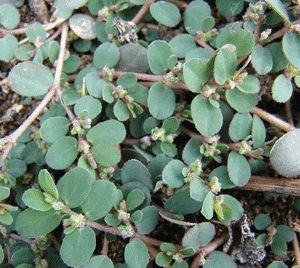
Prostrate sandmat (Euphorbia prostrata)
Also known as: Red caustic creeper
Japanese knotweed (Fallopia japonica) is an invasive plant originally from East Asia. It has spread to various parts of the world, including Europe and North America. Known for its robust and aggressive root system, Japanese knotweed can break through cracks in asphalt and concrete, causing significant structural damage. This makes it a particularly troublesome species in urban environments.
Attributes of Prostrate sandmat
Images of Prostrate sandmat
Quickly Identify Prostrate sandmat
Scientific Classification of Prostrate sandmat
Planting and Growing of Prostrate sandmat
 How to Water Prostrate sandmat?
 What Are the Sunlight Requirements for Prostrate sandmat?
 What Is the Ideal Temperature Range for Prostrate sandmat?
 What Soil is Best for Prostrate sandmat?
 How to Fertilize Prostrate sandmat?
 How to Prune Prostrate sandmat?
 How to Propagate Prostrate sandmat plant?
 How to Repot Prostrate sandmat plant?
Toxicity of Prostrate sandmat
Is Prostrate sandmat toxic to humans?
Prostrate sandmat poses a potential risk to individuals walking barefoot along the beach. When this plant is disturbed to the point where it breaks open, it releases a milky latex that contains an irritating ester chemical, which can lead to contact dermatitis. Upon skin contact, the sap may result in redness, swelling, and the formation of blisters, particularly after exposure to sunlight, sometimes with a delay following contact. All parts of the plant, including stems, leaves, roots, flowers, and seeds, contain this latex. If consumed, it may also lead to symptoms such as nausea, vomiting, and diarrhea.
Is Prostrate sandmat toxic to cat?
Prostrate sandmat presents a slight toxicity risk to felines. Cats are mostly exposed to this plant by ingesting its various parts, especially in greater quantities. Symptoms that could arise in cats include generalized signs of physical discomfort, like pain or unease. Due to the health risks involved, cat owners should be vigilant in observing their pets' interactions with prostrate sandmat and should obtain veterinary assistance immediately if poisoning is suspected.
Is Prostrate sandmat toxic to dog?
The species known as prostrate sandmat is recognized for its mild toxic effects on dogs. Though it is not regarded as highly toxic, consuming large amounts can result in poisoning. All parts of the plant are toxic, meaning that dogs can be poisoned by eating any portion of it. After ingesting prostrate sandmat, dogs may exhibit signs such as vomiting, diarrhea, or lethargy. It is vital for dog owners to keep a watchful eye on their pets and prevent them from accessing this plant. Should a dog ingest prostrate sandmat, seeking immediate veterinary care is critical to ensure appropriate treatment and management.



