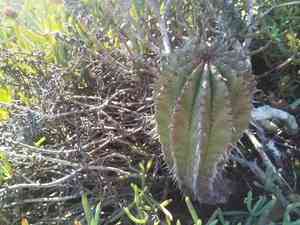
African milk barrel (Euphorbia polygona)
Also known as: Dead Plant, Snowflake Cactus
African milk barrel is a popular ornamental succulent grown for its unusual barrel-like growth form and crown of purple flowers. It is a tropical native most often used as a houseplant in temperate climates. It needs little care, and overwatering can cause root rot. In its native South African Cape it is found mainly in rocky areas.
In This Article
Attributes of African milk barrel
Lifespan
Perennial
Plant Type
Succulent
Plant Height
1.5 m
Spread
10 cm
Leaf Color
N/A (primarily a stem succulent, leaves are minimal and tiny)
Flower Size
0.5-1 cm
Flower Color
Yellow
Images of African milk barrel
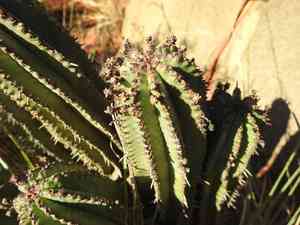
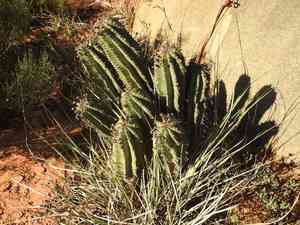
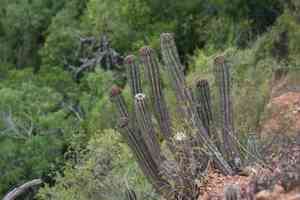
Quickly Identify African milk barrel
1
Euphorbia polygona can be identified by its cylindrical, ribbed stems that are topped with spiky edges. The coloration can range from white to light green, and its small, yellow flowers usually appear at the top.
Scientific Classification of African milk barrel
Phylum
Vascular plants
Class
Dicotyledons
Order
Malpighiales
Family
Spurge
Genus
Spurges
Species
African milk barrel
Planting and Growing of African milk barrel
Care Difficulty
Easy
Watering Schedule
Every 2 days
Sunlight Requirements
Full sun
Sunshine Duration
4-8 hours
Ideal Temperature
65-75℉
Soil Type
Potting Mix, Peat Mix
Soil pH
6.5-7.5
Fertilizer Type
Balanced
Pruning Season
Spring, Summer
Pruning Area
Branches, Leaves
Pruning Frequency
2 times a year
Repotting Season
Spring
Pot Type
Plastic, Ceramic
 How to Water African milk barrel?
For Euphorbia polygona, the watering should be enough to moisten the soil thoroughly but not so much that it remains waterlogged. Aim for about 150 ml of water per session. Allow the soil to dry out completely between waterings, which will mimic its natural arid habitat and prevent root rot.
What are the symptoms of an underwatered African milk barrel?
›
What should I do if my African milk barrel is not getting enough water?
›
What are the symptoms of an overwatered African milk barrel?
›
How to save an overwatered African milk barrel?
›
 What Are the Sunlight Requirements for African milk barrel?
Euphorbia polygona prefers half daylight to full sunlight conditions, ideally receiving 6 to 8 hours of direct light daily. Providing these conditions fosters its growth, enhances its natural vibrant coloration, and ensures optimal health and productivity.
More About Sunlight Requirements Techniques→
What is the best light exposure for Euphorbia polygona?
›
How can I achieve ideal light conditions for Euphorbia polygona indoors?
›
What benefits does Euphorbia polygona gain from ideal light exposure?
›
 What Is the Ideal Temperature Range for African milk barrel?
The ideal temperature range for Euphorbia polygona is between 65°F and 75°F. This range provides optimal conditions that mimic its natural environment, promoting healthy growth and development.
 What Soil is Best for African milk barrel?
Euphorbia polygona thrives in well-draining soil which prevents waterlogging. Ensuring good drainage mimics its natural arid environment, reducing root rot risks and promoting healthy growth. This plant prefers nutrient-poor soils, which help in preventing excessive growth and maintaining its natural, compact structure. Such soils help control nutrient availability suitable to its desert origins. Euphorbia polygona can benefit from mildly calcareous soils, which provide essential calcium for structural integrity and promote blooming without the risk of over-fertilization.
 How to Fertilize African milk barrel?
Euphorbia polygona responds well to balanced fertilizer. When using a liquid fertilizer, ensure it is diluted to half the strength recommended on the label. This dilution is crucial because over-fertilization can damage the plant's roots. Always follow the 'less is more' principle when it comes to feeding this succulent.
 How to Prune African milk barrel?
Begin by examining the Euphorbia polygona for any dead or damaged stems. Using sharp, clean pruning shears, cut these back to their point of origin or down to healthy tissue. This encourages robust growth and prevents potential plant diseases. Aim to prune to maintain its natural shape, typically removing any stems that disrupt the symmetry of the plant. Make clean cuts at a slight angle to prevent water from pooling, which could lead to rot. If the plant is flowering, avoid cutting these stems to continue enjoying the blooms. Prune after flowering has ceased if you want to maintain floral aesthetics.
 How to Propagate African milk barrel plant?
1
Choose healthy stems with no signs of disease or damage. The cutting should be about 4-6 inches long to ensure sufficient stored energy for root development.
2
Use a sterilized tool to cut the selected stem at an angle. This increases the surface area for rooting. Allow the cut end to dry for a few days to form a callus, reducing the risk of rot.
3
Once the cutting has callused, plant it in a container filled with moist potting soil. Keep the soil lightly moist but not soaked to facilitate rooting without causing root rot.
 How to Repot African milk barrel plant?
1
Euphorbia polygona signals its need for repotting when roots begin to protrude from pot drainage holes or when growth slows noticeably. Springtime is ideal, as active growth supports faster acclimatization.
2
Select a ceramic or clay pot with ample drainage holes to prevent waterlogging. The pot should be slightly larger than the current one to give the roots room to expand, promoting healthy growth without overwhelming the plant with excess soil.
3
Opt for a well-draining cactus mix composed of sand, pumice, and peat. This blend mimics the plant's natural habitat, reducing the risk of root rot while providing essential aeration and drainage.
Toxicity
Ingestion, Skin Contact
WARNING
The judgment on toxicity and danger is for reference only. We DO NOT GUARANTEE any accuracy of such judgment. Therefore, you SHALL NOT rely on such judgment. It is IMPORTANT TO SEEK PROFESSIONAL ADVICE in advance when necessary.



