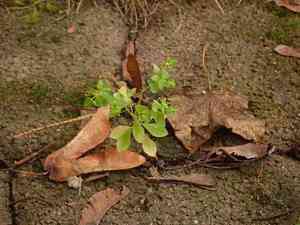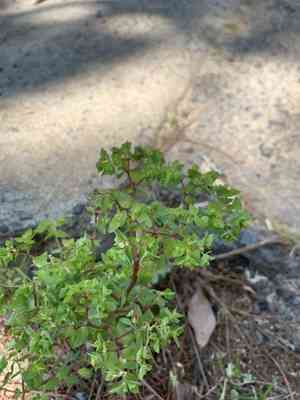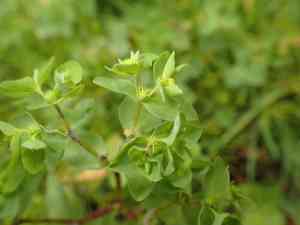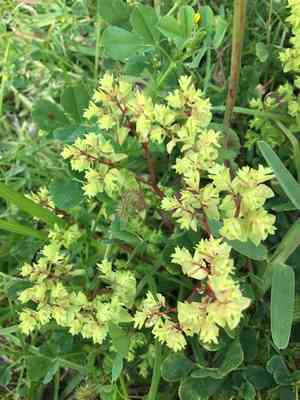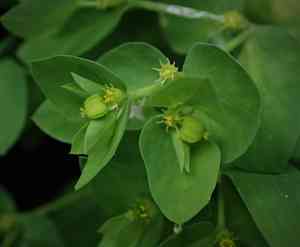
Petty spurge(Euphorbia peplus)

Petty spurge (Euphorbia peplus)

Also known as: Cancer weed

Petty spurge (Euphorbia peplus) is an annual plant native to Europe, North Africa, and Western Asia. It has gained attention as an invasive species in regions like Australia and New Zealand due to its rapid growth, which allows it to outcompete native plants for resources like sunlight and water. The plant's sap is mildly toxic and can cause skin irritation, posing a risk to humans and animals. Interestingly, researchers in the US and Germany are investigating its latex for potential beneficial compounds.

Attributes of Petty spurge

Lifespan
Annual, Biennial
Plant Type
Herb
Plant Height
5 cm to 30 cm
Spread
25 cm
Leaf Color
Green Silver Gray
Flower Size
2.5 cm
Flower Color
Green Yellow

PlantJoy - Identify plants with a snap

Identify and diagnose plants, get toxicity alerts, and explore safety guides for all types of fungi.

Try for Free

Images of Petty spurge

Petty spurge(Euphorbia peplus)

Quickly Identify Petty spurge

1
Tiny yellowish-green flowers in three-rayed umbels from June to September.
2
Smooth red-to-green gradient stem with thin branching habit.
3
Diminutive spherical fruit with three-lobed appearance, containing textured seeds.
4
Oval to rounded pale green leaves, 1 inch (2.5 cm) in length.
5
Adaptable herbaceous annual, growing upright to about a foot (30 cm) tall.

Scientific Classification of Petty spurge

Phylum
Vascular plants
Class
Dicotyledons
Order
Malpighiales
Family
Spurge
Genus
Spurges
Species
Petty spurge

Planting and Growing of Petty spurge

Care Difficulty
Easy
Watering Schedule
Every 4 days
Sunlight Requirements
Full sun
Sunshine Duration
4-8 hours
Ideal Temperature
60-77℉
Soil Type
Potting Mix, Peat Mix
Soil pH
6.5-7.5
Fertilizer Type
Balanced
Pruning Season
Spring, Summer
Pruning Area
Branches, Leaves
Pruning Frequency
Once a year
Repotting Season
Spring
Pot Type
Plastic, Ceramic

water icon How to Water Petty spurge?

When watering Euphorbia peplus, aim for around 200 milliliters of water per session. This amount ensures that the soil is sufficiently moistened without becoming waterlogged. It’s important to water until the top layer of soil is visibly damp, yet avoid pooling water at the base of the plant to prevent root rot.
What are the symptoms of an underwatered Petty spurge?
What should I do if my Petty spurge is not getting enough water?
What are the symptoms of an overwatered Petty spurge?
How to save an overwatered Petty spurge?

sunlight icon What Are the Sunlight Requirements for Petty spurge?

Sunlight Requirements: Full sun, Partial sun
Duration of light: 6-8 hours daily
Euphorbia peplus thrives best in partial to full sun environments. Adequate light not only supports healthy photosynthesis but also promotes more vibrant foliage and sturdier stem growth.
Optimal Placement
Solution for Perfect Light
Benefits of Ideal Light

temperature icon What Is the Ideal Temperature Range for Petty spurge?

Ideal Temperature: 60 ~ 77℉
Euphorbia peplus ideally thrives between 60°F and 77°F. This temperature range supports its biological processes, including photosynthesis and nutrient uptake, allowing it to grow healthily and robustly. Maintaining consistent temperatures within this range is crucial for optimal plant development.

soil icon What Soil is Best for Petty spurge?

Soil type: Sandy soil, Loam, Sandy loam
Soil PH: 6.5 ~ 7.5
Euphorbia peplus thrives in well-drained soil that prevents waterlogging, which could lead to root rot. A well-drained medium ensures optimal root aeration and health, crucial for this species. While the soil should dry out between waterings, some moisture retention is necessary to sustain healthy growth. This balance helps in nutrient uptake and prevents over-drying. A fertile soil enriched with organic matter supports the vibrant growth of Euphorbia peplus. Adequate nutrients ensure robust foliage and overall plant vitality.

fertilize icon How to Fertilize Petty spurge?

Fertilizer type: Balanced
For Euphorbia peplus, it is important to use a balanced fertilizer with an NPK ratio of 10-10-10. Apply approximately 1/4 to 1/2 teaspoon (about 1 to 2 grams) per liter of water when using liquid fertilizer. Ensure the soil is moist before application to prevent fertilizer burn.

prune icon How to Prune Petty spurge?

Pruning Time: Spring, Summer
Begin by examining the Euphorbia peplus plant; aim to remove dead or diseased stems, enhancing overall plant health and encouraging vigorous growth. Focus on maintaining a pleasing shape by trimming back overgrown areas to preserve balance and structure. Utilize clean, sharp pruning shears to avoid damaging the plant. For Euphorbia peplus, precision is key. Start by carefully cutting away excess growth above a node to stimulate new shoots, creating a fuller appearance. Initiate pruning by identifying and removing any yellowing or withered leaves. Trim back the stems selectively, always cutting just above the node. Clean each cut to minimize infection risk. Ensure the plant remains well-shape for visual appeal.

propagate icon How to Propagate Petty spurge plant?

Propagate Time: Spring, Early spring
1
Harvest seeds from mature Euphorbia peplus plants. Dry them in a shaded area before storing them in a cool, dry place. This ensures their viability until the next planting season.
2
Fill seed trays with a well-draining potting mix. Sprinkle the seeds thinly across the surface and lightly cover them with soil to aid germination, which typically occurs within 1-3 weeks.
3
Once seedlings have developed two or more true leaves, they can be transplanted to larger pots or directly into the garden space, ensuring they are spaced adequately for growth.

repot icon How to Repot Petty spurge plant?

Repotting frequency: Every 2-3 years
1
Euphorbia peplus needs repotting when roots are visible at the drainage holes or the growth rate slows significantly. An overcrowded root system can stress the plant, leading to nutrient deficiencies. Observe for signs such as yellowing leaves or wilting, indicating it's time for a new pot.
2
Select a pot that's one size larger than the current one with adequate drainage holes. This allows room for root expansion, minimizing waterlogging risks. Preferably, choose a breathable material like terra cotta which aids in moisture regulation and better air circulation around the roots.
3
Use a well-draining sandy loam mix to ensure excess water flows out, preventing root rot. This soil type retains adequate moisture while allowing necessary oxygen to reach the roots, making it ideal for a plant that abhors waterlogged conditions.

PlantJoy - Identify plants with a snap

Find the best spots for them to optimize their health, simply using your phone.

Try for Free

Toxicity of Petty spurge

Is Petty spurge toxic to humans?

The petty spurge plant exhibits moderate toxicity when there is direct contact with its broken parts or when its sap-containing components are ingested. The presence of ingenol mebutate in the milky sap can trigger severe dermatitis upon skin contact, often resulting in acute pain, blister formation, and significant eye inflammation if it comes into contact with the eyes. Ingesting parts of the plant can lead to serious symptoms such as intense vomiting, diarrhea, nausea, and swelling in the lips, tongue, and throat. However, there is no indication that petty spurge produces airborne allergies.

Is Petty spurge toxic to cat?

Petty spurge presents a moderate toxicity threat to cats. Exposure typically occurs via ingestion, resulting in a range of symptoms that signal poisoning, which may encompass gastrointestinal disturbances, excessive drooling, or other distress signals. The harmful components of petty spurge, namely the sap or juice, contain irritants responsible for these reactions. Should a cat encounter or ingest the sap, seeking immediate veterinary assistance is vital. Quick professional intervention can lessen the toxin's impacts and support the recovery process for the afflicted cat.

Is Petty spurge toxic to dog?

Petty spurge is recognized as having a moderate level of toxicity for dogs. Poisoning commonly occurs when a dog ingests portions of the plant, especially the sap or juice. Following the ingestion of petty spurge, a dog may display signs such as vomiting, diarrhea, lethargy, and irritation in the mouth or along the gastrointestinal tract. If you believe your dog may have been poisoned by petty spurge, it is crucial to obtain prompt veterinary assistance to guarantee appropriate treatment and symptom management.

Identify toxic plants for your safety

Learn which plants are harmful to you and your pets, and make informed choices for a safer home!

Try for Free
WARNING
The judgment on toxicity and danger is for reference only. We DO NOT GUARANTEE any accuracy of such judgment. Therefore, you SHALL NOT rely on such judgment. It is IMPORTANT TO SEEK PROFESSIONAL ADVICE in advance when necessary.
More About Toxic Techniques