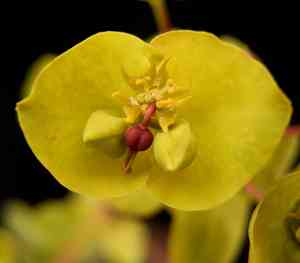
Parish's sandmat (Euphorbia parishii)
Also known as: Parish's spurge
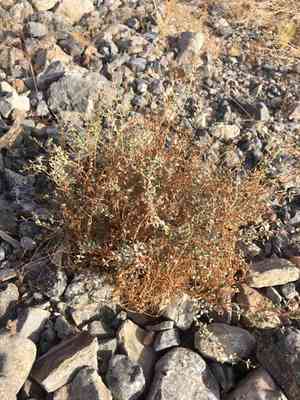
Parish's sandmat, a hardy perennial succulent native to North American deserts, exhibits several distinctive adaptations that help it thrive in harsh conditions. Characterized by its unique branching pattern resembling a candelabra, this plant is highly heat-tolerant. It blooms in the spring, producing small clusters of greenish-yellow flowers. The plant's pencil-thick, grey-green stems are notably leafless, which significantly reduces water loss. Parish's sandmat is well-adapted to gravelly, well-drained soils and flourishes under full sunlight, showcasing its remarkable resilience in arid environments.
In This Article
Attributes of Parish's sandmat
Lifespan
Perennial
Plant Type
Herb, Succulent
Plant Height
30-60 cm
Spread
Spread not typically measured as it grows more as a low shrub or ground cover
Leaf Color
Green
Flower Size
Less than 1 cm
Flower Color
Greenish
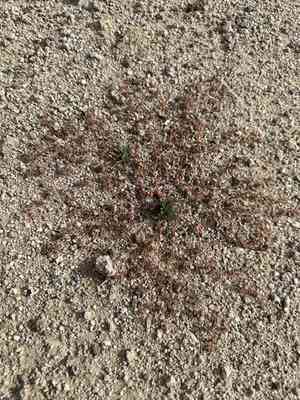
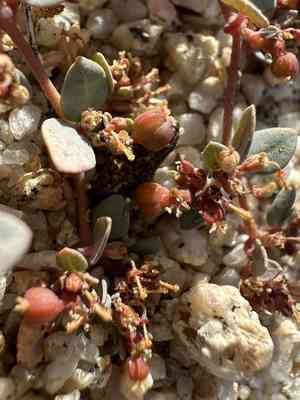
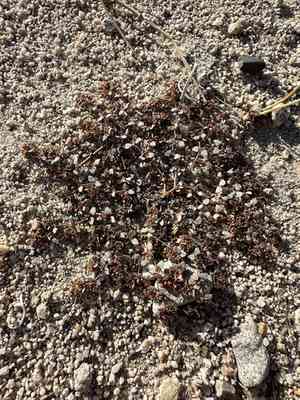
Images of Parish's sandmat
Quickly Identify Parish's sandmat
1
Euphorbia parishii can be identified by its small, succulent leaves and stems, which exude a milky sap when broken. It has tiny, greenish flowers typical of the Euphorbia genus.
Scientific Classification of Parish's sandmat
Phylum
Vascular plants
Class
Dicotyledons
Order
Malpighiales
Family
Spurge
Genus
Spurges
Species
Parish's sandmat
Planting and Growing of Parish's sandmat
Care Difficulty
Moderate
Watering Schedule
Every 2 days
Sunlight Requirements
Full sun
Sunshine Duration
4-8 hours
Ideal Temperature
65-75℉
Soil Type
Potting Mix, Peat Mix
Soil pH
6.5-7.5
Fertilizer Type
Balanced
Pruning Season
Spring, Summer
Pruning Area
Branches, Leaves
Pruning Frequency
2 times a year
Repotting Season
Spring
Pot Type
Plastic, Terracotta
 How to Water Parish's sandmat?
Euphorbia parishii prefers a cautious approach to watering. Aim for approximately 250 milliliters per session, ensuring that the water thoroughly permeates the soil, reaching the root system without oversaturating the surrounding earth.
What are the symptoms of an underwatered Parish's sandmat?
›
What should I do if my Parish's sandmat is not getting enough water?
›
What are the symptoms of an overwatered Parish's sandmat?
›
How to save an overwatered Parish's sandmat?
›
 What Are the Sunlight Requirements for Parish's sandmat?
Euphorbia parishii thrives best in conditions with half to full day sun exposure. Ideal light stimulates robust growth, enhances foliage color, and maximizes photosynthetic activity, contributing to the plant's long-term health and aesthetic appeal.
What is the ideal lighting condition for Euphorbia parishii?
›
How to achieve ideal lighting for Euphorbia parishii indoors?
›
Benefits of providing ideal lighting to Euphorbia parishii?
›
 What Is the Ideal Temperature Range for Parish's sandmat?
Euphorbia parishii thrives best in a temperature range of 65 to 75°F. This range provides the optimal conditions for healthy growth and flowering by mimicking its native climate's moderate warmth.
 What Soil is Best for Parish's sandmat?
Euphorbia parishii thrives in well-drained sandy soil, which mimics its native conditions. This type of soil ensures that water doesn't accumulate, reducing the risk of root rot and supporting vigorous growth. While Sandy soil is low in nutrients, a moderate level of organic matter is beneficial. Adding compost can provide essential nutrients, promoting the healthy development of this plant without overwhelming its roots. Adequate aeration is crucial for Euphorbia parishii, preventing soil compaction. Sandy soil allows for good air circulation around the roots, supporting healthy respiration and nutrient uptake.
 How to Fertilize Parish's sandmat?
Euphorbia parishii requires careful attention to fertilizer amounts due to its sensitivity to excess nutrients. A light application is typically sufficient, around one-quarter of the recommended dose for general houseplants. Liquid fertilizer should be diluted to about half strength to avoid burning the roots.
 How to Prune Parish's sandmat?
Begin by closely examining your Euphorbia parishii for any dead or damaged stems. Removing these stems not only improves the appearance of the plant but also ensures that the plant's energy is focused on healthy growth. Always use clean, sharp tools when pruning to prevent the spread of disease. Sterilize blades with alcohol before making any cuts to ensure your plant stays healthy and vibrant. When pruning, make sure to cut at a slight angle just above a leaf node. This technique encourages new growth and helps the plant to thrive with a more natural, full appearance.
More About Pruning Techniques→
 How to Propagate Parish's sandmat plant?
1
Harvest seeds from mature Euphorbia parishii fruits. Clean them thoroughly to remove any pulp, which can inhibit germination, and let them dry out before storage.
2
Cut a healthy stem from the plant, ideally with three to five nodes. Allow the cutting to dry for a day to form a callus at the cut end.
3
Plant the seeds or cuttings in a suitable potting medium. Water lightly to keep the medium moist but not waterlogged, as excessive water can lead to root rot.
 How to Repot Parish's sandmat plant?
1
Euphorbia parishii requires repotting when you notice roots creeping out of drainage holes or when its growth seems stunted. Repot during Spring or Summer when the plant is most active, ensuring minimal stress during its prime growth period.
2
Select a pot that's 1-2 inches larger in diameter than the previous one. Ensure it has ample drainage holes to prevent water logging. A terracotta pot is ideal as it allows excess moisture to escape, thus reducing the risk of root rot.
3
Opt for a well-draining cactus mix containing sand, perlite, and peat moss. This combination helps to mimic the plant’s natural arid habitat, allowing for proper aeration and drainage, preventing issues like root rot or nutrient imbalance.
Toxicity
ingestion, skin contact
WARNING
The judgment on toxicity and danger is for reference only. We DO NOT GUARANTEE any accuracy of such judgment. Therefore, you SHALL NOT rely on such judgment. It is IMPORTANT TO SEEK PROFESSIONAL ADVICE in advance when necessary.
Learn More About Parish's sandmat Diseases
Anthracnose
Bacterial Leaf Spot
Bacterial Soft Rot
Bacterial Wilt
Chemical Injury
Crown Gall
Cyst Nematode
Damping-off
Downy Mildew
Drought Stress
Fusarium Wilt
Gray Mold
Leaf Spot
Mosaic
Nutrient Deficiency
Nutrient Toxicity
Powdery Mildew
Root Rot
Root-knot Nematode
Rusts
Sooty Mold
Spider Mites
Temperature Stress
Thrips Damage
White Mold


