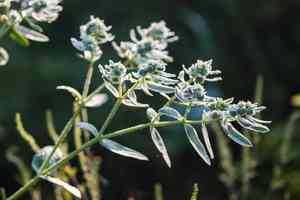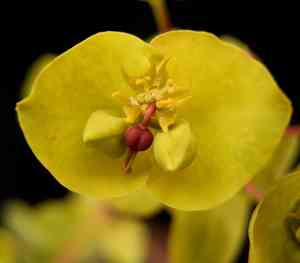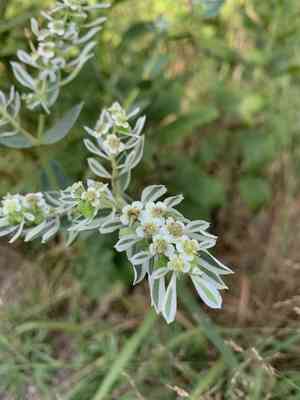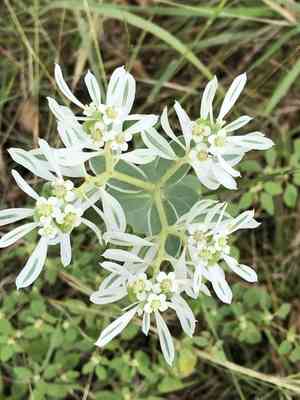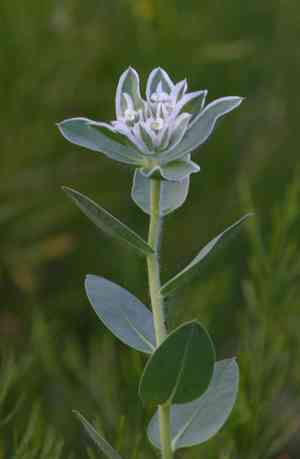
Snow-on-the-mountain(Euphorbia marginata)

Snow-on-the-mountain (Euphorbia marginata)

Also known as: Mountain snow, Ghost weed, Whitemargined spurge, Smoke-on-the-prairie

**Japanese Forest Grass (Hakonechloa macra 'Aureola')** is an excellent option for areas with limited sunlight where other plants may struggle. This species flourishes in shaded environments and serves as a unique ground cover. Its leaves are particularly notable, displaying shades of white, light yellow, or variegated patterns. The combination of these colors gives the plant a striking appearance, making it a standout choice for shady gardens.

Attributes of Snow-on-the-mountain

Lifespan
Annual, Biennial, Perennial
Plant Type
Herb
Plant Height
60 cm to 80 cm
Spread
20 cm to 30 cm
Leaf Color
Green White Variegated
Flower Size
0.3-0.5 cm
Flower Color
White Green Yellow

PlantJoy - Identify plants with a snap

Identify and diagnose plants, get toxicity alerts, and explore safety guides for all types of fungi.

Try for Free

Images of Snow-on-the-mountain

Snow-on-the-mountain(Euphorbia marginata)

Quickly Identify Snow-on-the-mountain

1
Oval green leaves with striking white margins resemble snow-covered foliage.
2
Clusters of inconspicuous green flowers surrounded by showy white bracts.
3
Distinctive three-parted capsule transitioning from green to dark gray upon maturity.
4
Leaves are oblong with pointed tips, white margins, and stemless.
5
Stems produce milky latex sap, covered in fine hairs, and flexible with sparse branching.

Scientific Classification of Snow-on-the-mountain

Phylum
Vascular plants
Class
Dicotyledons
Order
Nances, spurges, willows and allies
Family
Spurge
Genus
Spurges
Species
Snow-on-the-mountain

Planting and Growing of Snow-on-the-mountain

Care Difficulty
Easy
Watering Schedule
Every 2 days
Sunlight Requirements
Full sun
Sunshine Duration
4-6 hours
Ideal Temperature
65-75℉
Soil Type
Potting Mix, Peat Mix
Soil pH
6.5-7.5
Fertilizer Type
Balanced
Pruning Season
Spring, Summer
Pruning Area
Branches, Leaves
Pruning Frequency
2 times a year
Repotting Season
Spring
Pot Type
Plastic, Ceramic

water icon How to Water Snow-on-the-mountain?

Euphorbia marginata, commonly referred to as Snow-on-the-Mountain, thrives best under conditions where its soil is allowed to dry out between watering. Water the plant with about 250 ml of water per session, ensuring the soil remains slightly moist but never waterlogged. This careful balance is key to the plant's health.
What are the symptoms of an underwatered Snow-on-the-mountain?
What should I do if my Snow-on-the-mountain is not getting enough water?
What are the symptoms of an overwatered Snow-on-the-mountain?
How to save an overwatered Snow-on-the-mountain?
More About Watering Techniques

sunlight icon What Are the Sunlight Requirements for Snow-on-the-mountain?

Sunlight Requirements: Full sun, Partial sun
Duration of light: 4 to 6 hours
Euphoria marginata prefers full to partial sunlight, thriving in 4 to 6 hours of daily light. Access to the ideal light range ensures lush foliage and robust blooming, enhancing its decorative and health aspects.
Ideal Location
Managing Light Intensity
Seasonal Adjustments
More About Sunlight Requirements Techniques

temperature icon What Is the Ideal Temperature Range for Snow-on-the-mountain?

Ideal Temperature: 65 ~ 75℉
The ideal temperature range for Euphorbia marginata growth is between 65°F and 75°F. In this range, the plant is most likely to thrive as these temperatures mimic its native environment, helping to maintain healthy growth and vibrant foliage.

soil icon What Soil is Best for Snow-on-the-mountain?

Soil type: Sandy soil, Loam
Soil PH: 6.5 ~ 7.5
Euphorbia marginata thrives in well-drained soil, which prevents water from pooling around its roots. This reduces the risk of root rot, a condition detrimental to the health of the plant. Providing a well-drained environment ensures that essential nutrients are delivered effectively, promoting robust growth. This plant benefits from a soil composition rich in essential nutrients. Incorporating organic matter, like compost, enhances soil fertility, thus supporting the plant's nutritional needs. A nutrient-rich soil fosters vibrant growth and more resilient foliage. While Euphorbia marginata prefers well-drained conditions, it also requires a balanced level of moisture retention. Sandy loam is ideal as it retains enough moisture to aid in the plant's growth without causing water-logging. This balance is crucial for maintaining healthy root development. More About Soil

fertilize icon How to Fertilize Snow-on-the-mountain?

Fertilizer type: Balanced
For Euphorbia marginata, a light hand is essential with fertilization. Use a water-soluble balanced fertilizer diluted to half the recommended strength, applying approximately 50-100 ml for potted plants. This practice ensures it receives sufficient nutrients without the risk of over-fertilization, which can harm its delicate root system. More About Fertilizing Techniques

prune icon How to Prune Snow-on-the-mountain?

Pruning Time: Spring, Summer
Use sharp, clean pruners to ensure a clean cut and avoid infection. Prune early in the morning or late in the afternoon to minimize plant stress. Focus on removing dead, damaged, or crossing branches. These can cause disease or pest problems if left untreated and will improve the plant's overall health. Trim back the plant to encourage fuller growth. Target areas where you want to see more density, cutting back stems just above a node. More About Pruning Techniques

propagate icon How to Propagate Snow-on-the-mountain plant?

Propagate Time: Spring, Early summer
1
Collect ripe seeds from the plant and clean them. Allow them to air dry for a few days before planting. This helps improve germination rates.
2
Use sterilized pruning shears to take a healthy cutting about 4-6 inches long. Remove the lower leaves and allow the cutting to dry before planting.
3
Sow seeds in a seed tray with well-draining soil or plant cuttings in pots. Keep the soil moist but not waterlogged, ensuring moderate sunlight exposure.
More About Propagating Techniques

repot icon How to Repot Snow-on-the-mountain plant?

Repotting frequency: Every two years
1
Euphorbia marginata needs repotting when it shows signs of being root-bound, such as roots growing out of the drainage holes or the soil drying out too quickly after watering. Spring and early summer are ideal times as the plant is actively growing, allowing it to recover swiftly.
2
Select a pot that is 1-2 inches larger in diameter than the current one. Ensure the pot has good drainage holes to prevent waterlogging, which Euphorbia marginata doesn't tolerate. A slightly larger pot allows room for root growth while keeping the plant stable and supported.
3
Use a well-draining cactus or succulent soil mix to ensure proper drainage and aeration. Euphorbia marginata prefers dry conditions, and well-draining soil helps prevent root rot. Adding perlite or sand enhances drainage and mimics the plant's natural sandy habitat.

PlantJoy - Identify plants with a snap

Find the best spots for them to optimize their health, simply using your phone.

Try for Free

Toxicity of Snow-on-the-mountain

Is Snow-on-the-mountain toxic to humans?

Snow-on-the-mountain is considered a mildly toxic plant whether consumed fresh or dried. Every part of the plant, including the stems, leaves, and blossoms, contains a toxic white, milky sap. When this sap comes into contact with the skin, common reactions include redness, swelling, itching, and sometimes blisters. People with allergies may experience more pronounced symptoms. Additionally, the sap can irritate the eyes, nose, and mouth, leading to burning sensations and blurry vision, along with sores in the nasal passages and oral cavity. While ingesting the plant is seldom fatal, it often leads to abdominal discomfort, with nausea, vomiting, diarrhea, and stomach pain being typical side effects.

Is Snow-on-the-mountain toxic to cat?

Snow-on-the-mountain is harmful to cats and can lead to poisoning if accidentally consumed. Every part of this plant poses a toxic threat, making any interaction or ingestion potentially hazardous for felines. Following exposure to snow-on-the-mountain, a cat may display various symptoms of physical distress or illness, which can differ according to the quantity ingested and the particular sensitivity of the cat. It is crucial to obtain immediate care at a veterinary facility if a cat is believed to have contacted or ingested snow-on-the-mountain, to secure the best possible recovery for the pet.

Is Snow-on-the-mountain toxic to dog?

Snow-on-the-mountain is a plant that poses significant toxicity to dogs, presenting a serious health threat when ingested. Dogs can inadvertently consume various parts of the snow-on-the-mountain plant, resulting in poisoning. Every part of this plant is dangerous, meaning any consumption can lead to harmful reactions. Symptoms of toxicity in dogs may encompass vomiting, diarrhea, lethargy, and more severe indications such as respiratory distress or alterations in heart rate. It is essential for dog owners to remain watchful and deter their pets from coming into contact with snow-on-the-mountain. Should there be any suspicion that a dog has ingested any part of this plant, seeking immediate veterinary assistance is vital for symptom management and the overall safety of the pet.

Identify toxic plants for your safety

Learn which plants are harmful to you and your pets, and make informed choices for a safer home!

Try for Free
WARNING
The judgment on toxicity and danger is for reference only. We DO NOT GUARANTEE any accuracy of such judgment. Therefore, you SHALL NOT rely on such judgment. It is IMPORTANT TO SEEK PROFESSIONAL ADVICE in advance when necessary.
More About Toxic Techniques