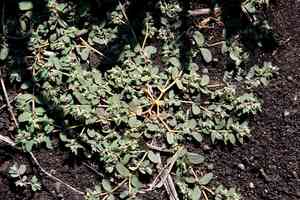
Spotted spurge (Euphorbia maculata)
Also known as: Spotted sandmat, Milk purslane
Spotted spurge (Euphorbia maculata) is a low-growing summer annual weed that thrives in various open spaces. Its stems release a milky sap that can cause skin irritation and is toxic to sheep. To manage its growth:
1. **Hand Pulling**: Uproot the entire plant, including the roots, to prevent it from regrowing.
2. **Mulching**: Apply a thick layer of mulch (around 3-4 inches) to block sunlight and inhibit seed germination.
3. **Herbicides**: Utilize pre-emergent herbicides to stop seeds from sprouting or post-emergent herbicides to eliminate existing plants. Make sure the herbicide is suitable for spurge.
4. **Lawn Maintenance**: Keep your lawn healthy and dense with regular mowing, watering, and fertilizing to outcompete the weed.
5. **Solarization**: Cover infested areas with clear plastic during hot months to kill the weeds through solar heat.
Additionally, spotted spurge naturally dies off with the onset of frost. Early and consistent efforts are essential for effective control.
Attributes of Spotted spurge
Images of Spotted spurge
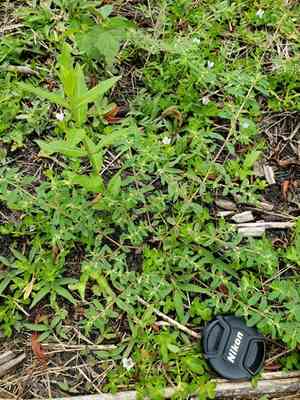
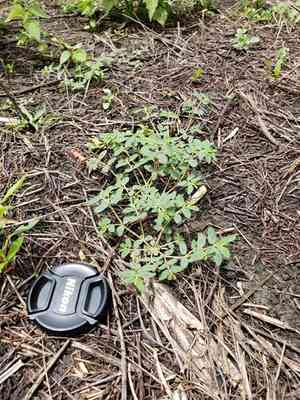
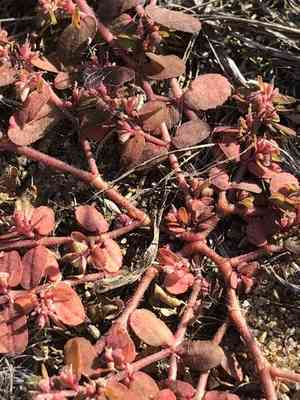
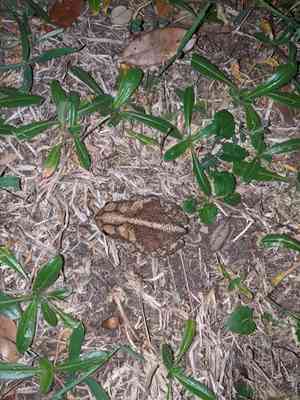
Quickly Identify Spotted spurge
Scientific Classification of Spotted spurge
Planting and Growing of Spotted spurge
 How to Water Spotted spurge?
 What Are the Sunlight Requirements for Spotted spurge?
 What Is the Ideal Temperature Range for Spotted spurge?
 What Soil is Best for Spotted spurge?
 How to Fertilize Spotted spurge?
 How to Prune Spotted spurge?
 How to Propagate Spotted spurge plant?
 How to Repot Spotted spurge plant?
Toxicity of Spotted spurge
Is Spotted spurge toxic to humans?
Ingestion of any part of the spotted spurge plant can lead to poisoning, while physical contact with its latex can result in skin irritation (dermatitis). This irritation is typically mild and temporary, lasting only a few minutes. A delayed reaction may occur, where symptoms such as redness, swelling, and blisters manifest after the latex has made contact and the affected skin is subsequently exposed to sunlight. Consuming spotted spurge may provoke symptoms including nausea, vomiting, and diarrhea. Spotted spurge can be found in a variety of habitats, such as cracks in sidewalks, roadsides, gardens, and wooded areas.
Is Spotted spurge toxic to cat?
Spotted spurge represents a poisonous danger to cats. If felines inadvertently consume any portion of this plant, they may be susceptible to poisoning. Contact with the plant can result in various symptoms that may signal physical distress or illness. Therefore, it is essential for cat owners to promptly pursue veterinary assistance to tackle any possible health issues. Quick intervention by a veterinarian at a clinic is vital for the welfare of the impacted cat.
Is Spotted spurge toxic to dog?
Spotted spurge is recognized as toxic to dogs. Dogs can inadvertently consume various parts of the plant, resulting in poisoning. Any part of the plant poses a threat when ingested. Following consumption, a dog may display signs such as vomiting, diarrhea, and lethargy. It is imperative for pet owners to remain alert and safeguard their pets from regions where spotted spurge can be found. If poisoning is suspected, prompt veterinary attention is vital to protect the well-being and safety of the affected dog.



