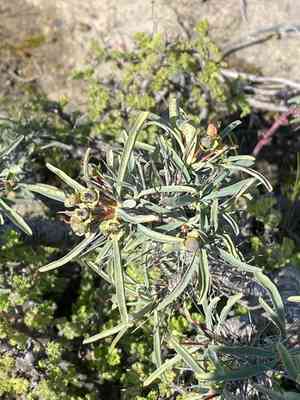
Euphorbia loricata (Euphorbia loricata)
Euphorbia loricata is a species of flowering plant in the family Euphorbiaceae. This species is known for its distinct, spiny appearance and is often found in rocky, dry areas. It is native to South Africa and is commonly used in xeriscaping due to its drought tolerance.
In This Article
Attributes of Euphorbia loricata
Lifespan
Perennial
Images of Euphorbia loricata
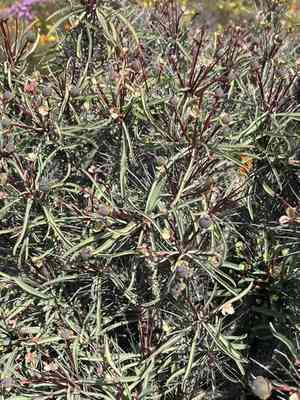
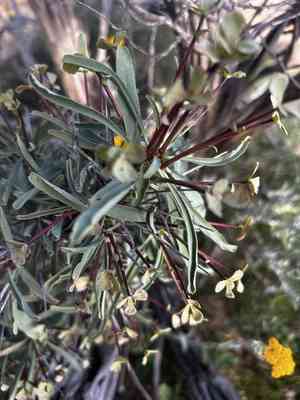
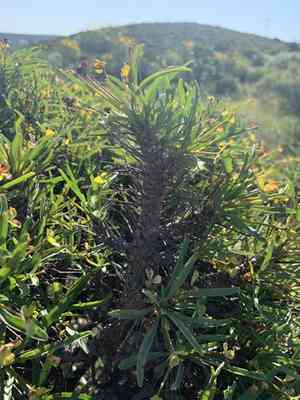
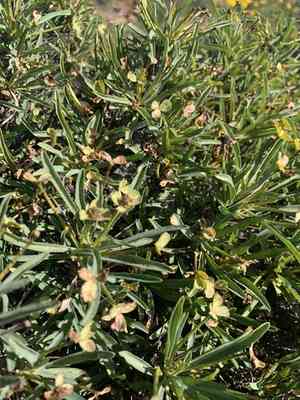
Quickly Identify Euphorbia loricata
1
Euphorbia loricata can be identified by its thick, succulent stems that are covered with spines. The plant has small, greenish-yellow flowers that are typical of the Euphorbia genus. The spines and overall form help differentiate it from other succulents.
Scientific Classification of Euphorbia loricata
Phylum
Magnoliophyta
Class
Magnoliopsida
Order
Malpighiales
Family
Euphorbiaceae
Genus
Euphorbia
Planting and Growing of Euphorbia loricata
Watering Schedule
Every 2 days
Sunlight Requirements
Full sun
Sunshine Duration
6-10 hours
Ideal Temperature
65-80℉
Soil Type
Potting Mix, Peat Mix
Soil pH
6.5-7.5
Fertilizer Type
Balanced
Pruning Season
Spring, Summer
Pruning Area
Branches, Leaves
Pruning Frequency
2 times a year
Repotting Season
Spring
Pot Type
Plastic, Ceramic
 How to Water Euphorbia loricata?
When watering Euphorbia loricata, aim for an amount that moistens the soil without soaking it. This usually means about 150ml of water. Ensure the top inch of soil dries out between waterings to mimic its natural, arid environment.
What are the symptoms of an underwatered Euphorbia loricata?
›
What should I do if my Euphorbia loricata is not getting enough water?
›
What are the symptoms of an overwatered Euphorbia loricata?
›
How to save an overwatered Euphorbia loricata?
›
 What Are the Sunlight Requirements for Euphorbia loricata?
Ideal light involves partial to full sunlight, often found in semi-arid environments. Proper light ensures thriving growth, promotes dense foliage, and supports the plant's natural beauty.
What is the best lighting environment for Euphorbia loricata?
›
How can I achieve the ideal lighting conditions?
›
What are the benefits of ideal lighting for this plant?
›
 What Is the Ideal Temperature Range for Euphorbia loricata?
The ideal temperature range for Euphorbia loricata is between 65°F and 80°F. This range provides the optimal conditions for the plant's physiological processes, including photosynthesis, respiration, and water uptake. Maintaining these temperatures will help ensure strong growth and prevent stress-related issues.
 What Soil is Best for Euphorbia loricata?
Euphorbia loricata thrives in well-drained soil, preventing waterlogging which can lead to root rot. This need ensures optimal root oxygenation and fosters robust plant health. A nutrient-rich soil boosts Euphorbia loricata growth, providing essential minerals for lush foliage and vigorous blooms. Ensuring adequate nutrients supports sustained vitality and resilience. Euphorbia loricata prefers slightly alkaline conditions, aligning with its natural habitat. This pH range promotes nutrient availability and enhances the plant's natural defense mechanisms.
 How to Fertilize Euphorbia loricata?
For Euphorbia loricata, it is best to use a balanced liquid fertilizer diluted to half the recommended strength. Ensure that the soil is moderately moist before application to avoid burning the roots. Over-fertilization can lead to nutrient imbalances and should be avoided.
 How to Prune Euphorbia loricata?
For trimming Euphorbia loricata, make use of sharp, clean pruning shears. This helps produce clean cuts which minimize plant tissue damage. Proper tools ensure efficiency and reduce the chance of spreading diseases among plants. Identify any dead, damaged, or weak stems. These parts do not contribute to the plant's growth and often inhibit sunlight penetration. Eliminating them can improve the overall aesthetic and health of the plant. When making cuts, do so just above a node or leaf joint. This stimulates new growth and helps direct energy to healthier parts of the plant. An angled cut minimizes water retention on the cut surface, thus reducing rot risk.
 How to Propagate Euphorbia loricata plant?
1
Choose a healthy, mature segment of the plant for your cutting. This piece should be free of disease or damage to ensure its optimal health and vitality once planted.
2
Use sharp pruning shears to cut a segment around 4 to 6 inches long. Allow the cutting to dry in a shaded, warm area for a few days to form a callus before planting.
3
After the callus has formed, plant the cutting in a well-draining soil mix designed for succulents. Water sparingly, only when the soil has completely dried out.
 How to Repot Euphorbia loricata plant?
1
Euphorbia loricata should be repotted when you see roots emerging from the drainage holes, which indicates that the plant has outgrown its current pot. Additionally, if the soil remains damp for extended periods, it might be time to refresh the soil and check root health, making spring or early summer ideal.
2
Select a pot that is one size larger than the current one to ensure room for growth. Ensure that the pot has drainage holes to prevent waterlogging, which can lead to root rot. A clay pot can be beneficial because it allows the soil to dry out more quickly.
3
Opt for a well-draining cactus or succulent mix that mimics the plant's natural environment. This soil type prevents water retention, reducing the risk of fungal diseases and root rot, thereby promoting healthier growth.
Toxicity
Ingestion, Skin Contact
WARNING
The judgment on toxicity and danger is for reference only. We DO NOT GUARANTEE any accuracy of such judgment. Therefore, you SHALL NOT rely on such judgment. It is IMPORTANT TO SEEK PROFESSIONAL ADVICE in advance when necessary.
Learn More About Euphorbia loricata Diseases
Anthracnose
Bacterial Leaf Spot
Bacterial Soft Rot
Crown Gall
Damping-off
Downy Mildew
Drought Stress
Fusarium Wilt
Gray Mold
Leaf Spot
Mosaic
Nutrient Deficiency
Nutrient Toxicity
Powdery Mildew
Root Rot
Root-knot Nematode
Rusts
Sooty Mold
Spider Mites
Temperature Stress
Thrips Damage
White Mold
Chemical Injury



