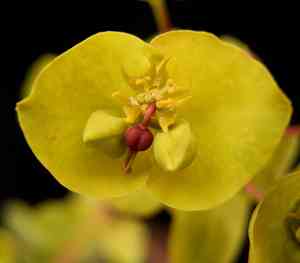
Hyssop-leaf sandmat (Euphorbia hyssopifolia)
Also known as: Hyssop spurge
Euphorbia hyssopifolia, commonly known as hyssop-leaf sandmat, is native to the southwestern United States. This desert-adapted plant belongs to the Euphorbia genus and features a distinctive milk-white sap in its stem. It is also referred to by various names, including hyssop spurge, eyebane, wart weed, and chicken weed.
Attributes of Hyssop-leaf sandmat
Images of Hyssop-leaf sandmat
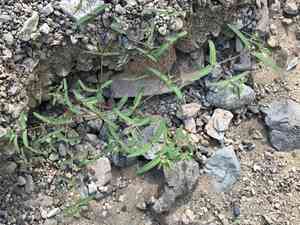
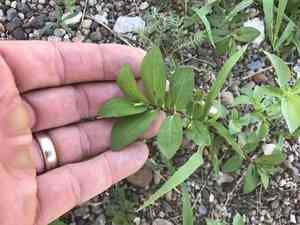
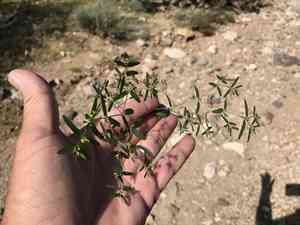
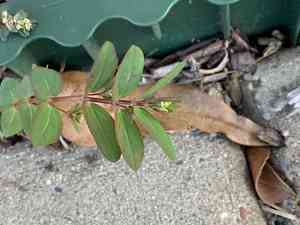
Quickly Identify Hyssop-leaf sandmat
Scientific Classification of Hyssop-leaf sandmat
Planting and Growing of Hyssop-leaf sandmat
 How to Water Hyssop-leaf sandmat?
 What Are the Sunlight Requirements for Hyssop-leaf sandmat?
 What Is the Ideal Temperature Range for Hyssop-leaf sandmat?
 What Soil is Best for Hyssop-leaf sandmat?
 How to Fertilize Hyssop-leaf sandmat?
 How to Prune Hyssop-leaf sandmat?
 How to Propagate Hyssop-leaf sandmat plant?
 How to Repot Hyssop-leaf sandmat plant?
Toxicity of Hyssop-leaf sandmat
Is Hyssop-leaf sandmat toxic to humans?
Hyssop-leaf sandmat can cause poisoning through ingestion or direct contact, particularly if it enters the eyes. It is crucial to seek medical assistance immediately, as the symptoms may vary from mild to severe. The toxic component of this plant is the sap, which exudes as a milky fluid. Ingesting this sap will lead to vomiting. Exposure to the sap in the eyes may result in mild conjunctivitis or escalate to severe kerato-uveitis, potentially leading to blindness. This weed is relatively common and can be found in gardens, walkways, lawns, and along roadsides, posing a significant risk to children.
Is Hyssop-leaf sandmat toxic to cat?
Hyssop-leaf sandmat presents a moderate toxicity concern for cats. When cats come into contact with or inadvertently consume parts of hyssop-leaf sandmat, particularly the plant's sap, they could experience poisoning. The primary toxic compounds found in hyssop-leaf sandmat are diterpene esters, which may lead to physical discomfort and illness in cats. Exposure can happen via skin contact or oral consumption, underscoring the importance for cat owners to remain vigilant in keeping their pets away from this plant. If a cat shows signs of distress after exposure to hyssop-leaf sandmat, it is crucial to seek immediate veterinary assistance.
Is Hyssop-leaf sandmat toxic to dog?
Hyssop-leaf sandmat is recognized for its moderate toxicity risk to dogs. Canines can experience poisoning from hyssop-leaf sandmat through skin exposure or accidental ingestion. The primary toxic compound present in hyssop-leaf sandmat is diterpene esters, located within the plant's sap. Following exposure, dogs may show symptoms such as vomiting, diarrhea, dermatitis, or more serious reactions depending on the exposure levels. It is vital for dog owners to keep their pets away from any contact with or consumption of hyssop-leaf sandmat. Should poisoning be suspected, immediate veterinary intervention is crucial to ensure the optimal outcome for the affected pet.



