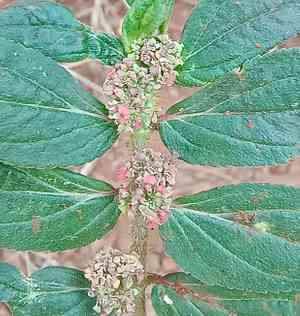
Asthma-plant(Euphorbia hirta)

Asthma-plant (Euphorbia hirta)

Also known as: Asthma Herb, Dove Milk, Pillpod Sandmat , Snakeweed, Ara tanan, Garden spurge

Prostrate spurge (Euphorbia maculata) is a low-lying spurge weed with branches that can reach up to 61 cm in length. It flowers from summer until early fall and typically dies with the first frost. When its stems or leaves are broken, a milky sap is released. This weed can quickly become a nuisance due to its rapid reproduction.

Attributes of Asthma-plant

Lifespan
Annual
Plant Type
Herb
Plant Height
60 cm
Spread
30 cm
Leaf Color
Green Red
Flower Size
2.5 cm
Flower Color
Green White Yellow Red Burgundy

PlantJoy - Identify plants with a snap

Identify and diagnose plants, get toxicity alerts, and explore safety guides for all types of fungi.

Try for Free

Images of Asthma-plant

Asthma-plant(Euphorbia hirta)

Quickly Identify Asthma-plant

1
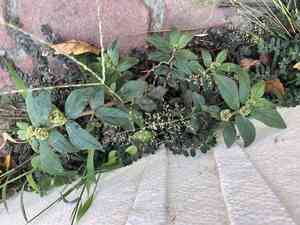
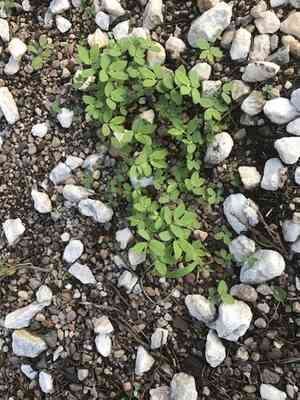
Sprawling growth up to 12 inches (30 cm) in height
2
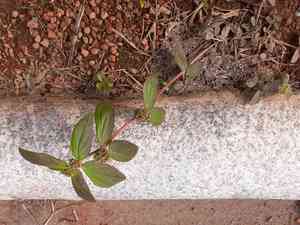
Opposite, oval-shaped leaves with serrated margins
3
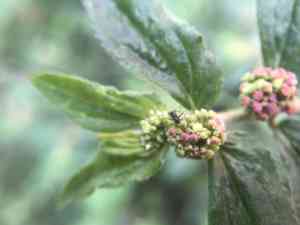
Tiny, light pink flowers in ball-shaped clusters without petals
4
Hairy, yellow capsules with abundant seeds
5
Purplish-red stems covered in long white hairs and milky sap

Scientific Classification of Asthma-plant

Phylum
Vascular plants
Class
Dicotyledons
Order
Malpighiales
Family
Spurge
Genus
Spurges
Species
Asthma-plant

Planting and Growing of Asthma-plant

Care Difficulty
Easy
Watering Schedule
Every 4 days
Sunlight Requirements
Full sun
Sunshine Duration
4-6 hours
Ideal Temperature
68-77℉
Soil Type
Potting Mix, Peat Mix
Soil pH
6-7.5
Fertilizer Type
Balanced
Pruning Season
Spring, Summer
Pruning Area
Branches, Leaves
Pruning Frequency
2 times a year
Repotting Season
Spring
Pot Type
Plastic, Ceramic

water icon How to Water Asthma-plant?

When watering Euphorbia hirta, it's essential to ensure that the soil is slightly damp but not waterlogged. Approximately 150 ml per watering session is sufficient to meet its needs. Be cautious to adjust based on environmental factors like temperature and humidity.
What are the symptoms of an underwatered Asthma-plant?
What should I do if my Asthma-plant is not getting enough water?
What are the symptoms of an overwatered Asthma-plant?
How to save an overwatered Asthma-plant?

sunlight icon What Are the Sunlight Requirements for Asthma-plant?

Sunlight Requirements: Full sun, Partial sun
Duration of light: 6 to 8 hours
Ideally, Euphorbia hirta should receive between 6 to 8 hours of light daily, favoring full to partial sunlight. This range supports optimal growth, promotes chlorophyll production, and enhances the plant's resilience and blooming potential.
What is the optimal amount of light for Euphorbia hirta?
How can you ensure Euphorbia hirta gets ideal sunlight?
What are the benefits of ideal light exposure for Euphorbia hirta?

temperature icon What Is the Ideal Temperature Range for Asthma-plant?

Ideal Temperature: 68 ~ 77℉
The ideal temperature range for Euphorbia hirta, commonly known as asthma plant, is between 68°F and 77°F. This range supports optimal growth and vigor of the plant. Maintaining the temperature within this range ensures that the plant's metabolic processes function efficiently, leading to better overall health. In this environment, the plant can better absorb nutrients and water, which promotes steady growth and healthy foliage.

soil icon What Soil is Best for Asthma-plant?

Soil type: Sandy loam, Sandy soil
Soil PH: 6 ~ 7.5
Euphorbia hirta thrives in well-drained soil, which helps prevent waterlogging. Excess moisture can lead to root rot and other fungal diseases. By ensuring good drainage, you promote healthy root development and vibrant growth. A moderate amount of organic matter, such as compost, enhances soil fertility and structure. It helps retain moisture without becoming waterlogged and provides essential nutrients for growth. This supports robust plant development and resilience. Aerated soil ensures that roots receive adequate oxygen, vital for nutrient uptake and growth. Sandy loam and sandy soil naturally provide a loose structure, facilitating airflow and root expansion.

fertilize icon How to Fertilize Asthma-plant?

Fertilizer type: Balanced
For Euphorbia hirta, applying a balanced liquid fertilizer at half the recommended strength is sufficient. Use about 1 tablespoon in one gallon of water when applying liquid fertilizer. For slow-release granules, scatter lightly around the base of the plant, ensuring it is not touching the stems.

prune icon How to Prune Asthma-plant?

Pruning Time: Spring, Summer, Autumn, Winter
To prune Euphorbia hirta, begin by ensuring you have a pair of sharp, sterilized pruning shears. Identify any dead, damaged, or diseased stems; these should be cut back to the base of the plant. For shaping, trim back any overly long or unruly stems to encourage a compact and attractive growth form. To make Euphorbia hirta bushier, pinch back the tips of the stems. This stimulates the plant to produce more side shoots. Each time you pinch the tips, new growth will emerge at the cut points, creating a fuller plant over time.

propagate icon How to Propagate Asthma-plant plant?

Propagate Time: Early summer
1
Choose fresh seeds from mature Euphorbia hirta plants. Fresh seeds germinate more reliably and lead to healthier plants.
2
Scatter the seeds thinly on the surface of moist potting soil. Do not bury them too deep as they require light to germinate.
3
Cover the seed tray with a clear plastic lid or wrap to maintain humidity. Ensure that the soil remains consistently moist but not waterlogged by checking daily.

repot icon How to Repot Asthma-plant plant?

Repotting frequency: Every two to three years
1
Euphorbia hirta shows a need for repotting when roots start growing out of the drainage holes, or when the plant stops thriving and the soil doesn't retain moisture as it should. These indicators suggest it's time to consider moving it to a bigger home.
2
Select a pot that is one size larger and has good drainage holes. This prevents waterlogging and root rot, allowing for healthy root development and providing sufficient space for the plant to grow comfortably.
3
Opt for a well-draining potting mix, preferably with added perlite or sand. This ensures good aeration and prevents water retention, which can lead to root rot while keeping the Euphorbia hirta in optimal growing conditions.

PlantJoy - Identify plants with a snap

Find the best spots for them to optimize their health, simply using your phone.

Try for Free

Toxicity of Asthma-plant

Is Asthma-plant toxic to humans?

The asthma-plant exhibits mild toxicity, especially in children. Ingestion of raw leaves can lead to symptoms such as nausea, vomiting, and diarrhea. The leaves contain E. hirta, a methanol extract that becomes mildly toxic when consumed in large quantities. Toxic effects are observed at a threshold of approximately 5g per 1kg of body weight. A significant amount of the extract must be ingested before any adverse effects are noticed. While the plant is deemed safe for adults, precautions should be taken to safeguard children.

Identify toxic plants for your safety

Learn which plants are harmful to you and your pets, and make informed choices for a safer home!

Try for Free
WARNING
The judgment on toxicity and danger is for reference only. We DO NOT GUARANTEE any accuracy of such judgment. Therefore, you SHALL NOT rely on such judgment. It is IMPORTANT TO SEEK PROFESSIONAL ADVICE in advance when necessary.
More About Toxic Techniques