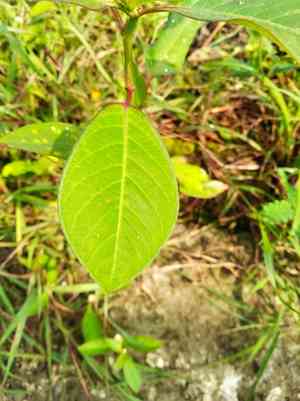
Mexican fireplant (Euphorbia heterophylla)
Also known as: Fire On The Mountain, Milkweed, Lechosa, Japanese poinsettia, Wild poinsettia
The Mexican fireplant, or *Euphorbia heterophylla*, originates from tropical America and has spread to other tropical and subtropical areas globally. Its milky sap is toxic and can lead to significant skin irritation, posing risks to both humans and livestock.
Attributes of Mexican fireplant
Images of Mexican fireplant
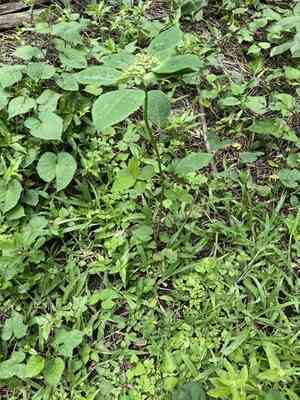
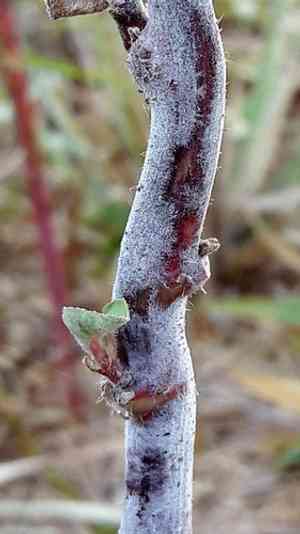
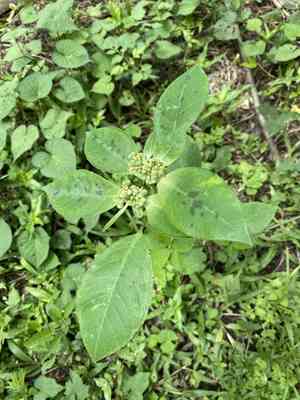
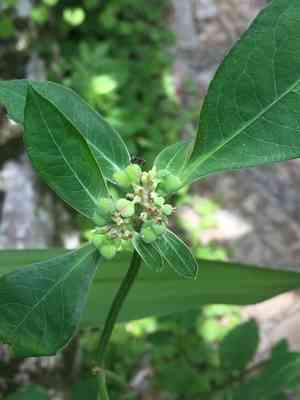
Quickly Identify Mexican fireplant
Scientific Classification of Mexican fireplant
Planting and Growing of Mexican fireplant
 How to Water Mexican fireplant?
 What Are the Sunlight Requirements for Mexican fireplant?
 What Is the Ideal Temperature Range for Mexican fireplant?
 What Soil is Best for Mexican fireplant?
 How to Fertilize Mexican fireplant?
 How to Prune Mexican fireplant?
 How to Propagate Mexican fireplant plant?
 How to Repot Mexican fireplant plant?
Toxicity of Mexican fireplant
Is Mexican fireplant toxic to humans?
The Mexican fireplant is regarded as a plant with moderate toxicity. Its leaves and stems harbor a milky substance that can lead to skin and oral irritation. Additionally, the toxin is known to be carcinogenic and serves as an irritant to the skin. Typical side effects include redness, swelling, and itching. Generally, most symptoms are mild and tend to resolve within a few days. If the sap comes into contact with the eyes, it may lead to symptoms such as blurred vision, excessive tearing, and redness. The milky liquid can also result in the formation of blisters and sores in the mouth and may cause gastrointestinal discomfort if swallowed. Instances of ingestion are rare. The primary risk is as a skin irritant, thus it is advisable to wear protective clothing when handling this plant.
Is Mexican fireplant toxic to cat?
The Mexican fireplant carries a moderate toxicity risk for cats and can lead to poisoning via skin contact or unintentional ingestion. The main toxic component in the Mexican fireplant is its sap, which comprises diterpene esters that are detrimental to cats. Upon exposure to the sap, affected cats may display symptoms indicating physical distress or illness. Cat owners must swiftly obtain professional veterinary assistance in cases of poisoning and implement precautions to keep cats away from the Mexican fireplant.
Is Mexican fireplant toxic to dog?
The Mexican fireplant poses a considerable toxicity threat to dogs. Canines can be poisoned by the Mexican fireplant through skin contact with its sap or accidental ingestion. Contact with the sap may lead to symptoms such as skin irritation, redness, and swelling. If the plant is ingested, Mexican fireplant can cause more severe effects, including vomiting, diarrhea, and lethargy. The toxic compounds causing these reactions are diterpene esters present in the plant's sap. Dog owners must remain alert and prevent their pets from contacting or consuming any part of the Mexican fireplant. In cases of suspected poisoning, it is crucial to obtain immediate veterinary attention to ensure the best possible outcome for the affected dog.



