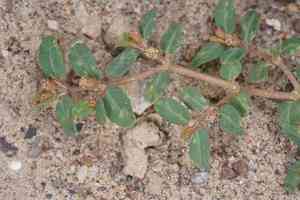
Boquillas sandmat (Euphorbia golondrina)
Also known as: N/A
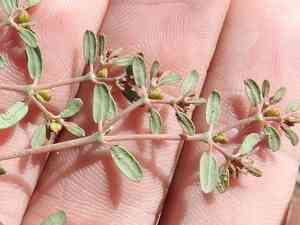
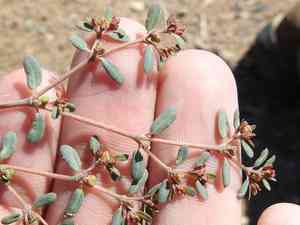
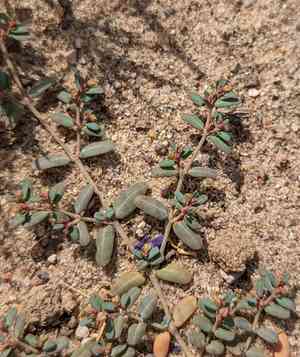
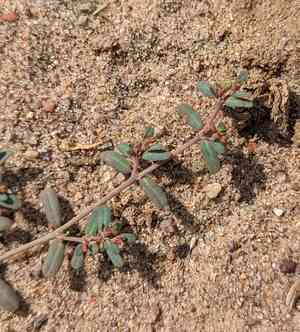
The Boquillas sandmat (Euphorbia boquillasensis) is a small, succulent plant from the spurge family that excels in arid regions. Its slender, pencil-shaped stems function as water storage units, helping the plant endure dry spells. The plant's tiny leaves are designed to limit water loss, which is crucial for survival in dry conditions. Its overall green appearance is accented by vivid yellow flowers, which are specially adapted with one female part encircled by several male parts. This floral arrangement is an adaptation to efficiently attract the limited pollinators available in its harsh environment.
In This Article
Attributes of Boquillas sandmat
Lifespan
Perennial
Plant Type
Succulent, Herb
Plant Height
0 mm to 30 cm
Spread
N/A
Leaf Color
Green
Flower Size
Small, up to 1 cm
Flower Color
Yellow to greenish
Images of Boquillas sandmat
Quickly Identify Boquillas sandmat
1
Look for the distinctive milky latex that exudes from broken stems or leaves. Its unique inflorescences and growth patterns are key identification features.
Scientific Classification of Boquillas sandmat
Phylum
Vascular plants
Class
Dicotyledons
Order
Malpighiales
Family
Spurge
Genus
Spurges
Species
Boquillas sandmat
Planting and Growing of Boquillas sandmat
Care Difficulty
Moderate
Watering Schedule
Every 2 days
Sunlight Requirements
Partial sun
Sunshine Duration
4-6 hours
Ideal Temperature
65-75℉
Soil Type
Potting Mix, Peat Mix
Soil pH
6.5-7.5
Fertilizer Type
Balanced
Pruning Season
Spring, Summer
Pruning Area
Branches, Leaves
Pruning Frequency
2 times a year
Repotting Season
Spring
Pot Type
Plastic, Ceramic
 How to Water Boquillas sandmat?
Euphorbia golondrina requires moderate watering. You should aim to saturate the soil until water begins to drain from the bottom of the pot. This ensures that the roots receive adequate moisture while preventing waterlogging.
What are the symptoms of an underwatered Boquillas sandmat?
›
What should I do if my Boquillas sandmat is not getting enough water?
›
What are the symptoms of an overwatered Boquillas sandmat?
›
How to save an overwatered Boquillas sandmat?
›
 What Are the Sunlight Requirements for Boquillas sandmat?
Partial sun exposure ensures Euphorbia golondrina maintains healthy growth and vibrant coloration. Ideal light fosters balanced nutrient assimilation, promoting flowering and overall vigor.
Optimal Sun Exposure
›
Solution for Ideal Light
›
Benefits of Ideal Lighting
›
 What Is the Ideal Temperature Range for Boquillas sandmat?
The ideal temperature range for Euphorbia golondrina is between 65°F and 75°F. This range ensures the plant can perform physiological processes optimally. Within these temperatures, the plant can effectively photosynthesize, which contributes to its growth and overall health. It's especially important during growth seasons when the plant's demand for resources is higher.
 What Soil is Best for Boquillas sandmat?
Euphorbia golondrina thrives in well-drained soil, which prevents root rot by allowing excess water to escape. This is crucial in preventing fungal infections and promoting healthy growth. The plant benefits from soil rich in organic matter, supplying essential nutrients that foster vibrant growth, robust stems, and lush foliage. A soil that retains moderate moisture is ideal for Euphorbia golondrina, ensuring that it doesn't dry out too quickly while avoiding waterlogging, contributing to its overall health.
 How to Fertilize Boquillas sandmat?
For Euphorbia golondrina, apply a balanced liquid fertilizer at half the recommended strength. This ensures that the plant receives essential nutrients without over-fertilizing, which could damage its roots. A typical liquid fertilizer might suggest 10 ml per liter of water, but using 5 ml per liter will be optimal for this plant.
 How to Prune Boquillas sandmat?
Begin by identifying any dead or damaged stems. These should be the first to go as they can hinder new growth and possibly spread diseases. Use clean, sharp pruning shears to make clean cuts just above a set of leaves. Prune for shape by cutting back overly long stems to maintain a compact and balanced appearance. Make your cuts just above a leaf node to encourage branching and fuller growth. This will help in managing the size of the plant while enhancing its appearance.
More About Pruning Techniques→
 How to Propagate Boquillas sandmat plant?
1
Fill the seed tray with a well-draining potting mix, ensuring it's moist but not soggy. Level the surface to create an even bed for the seeds.
2
Scatter the Euphorbia golondrina seeds evenly across the tray's surface, lightly pressing them into the soil to ensure good soil contact.
3
Select healthy stems and use pruning shears to make a clean cut, ideally just below a node. Remove lower leaves and leave a few at the top.
 How to Repot Boquillas sandmat plant?
1
Look for signals such as crowded roots emerging from drainage holes or a noticeable slowdown in growth. These are indications that Euphorbia golondrina may need more space. Ideally, repot during its active growing period to minimize stress.
2
Choose a pot with adequate drainage holes that is slightly larger than the current one to allow room for growth. This prevents water from accumulating at the bottom, aiding in root health and preventing root rot.
3
Opt for a well-draining, sandy mix that mimics the plant’s natural environment. This ensures efficient water drainage and root aeration, reducing the risk of overwatering and helping the plant thrive.
Toxicity
Ingestion, Dermal contact
WARNING
The judgment on toxicity and danger is for reference only. We DO NOT GUARANTEE any accuracy of such judgment. Therefore, you SHALL NOT rely on such judgment. It is IMPORTANT TO SEEK PROFESSIONAL ADVICE in advance when necessary.
Learn More About Boquillas sandmat Diseases
Anthracnose
Bacterial Leaf Spot
Bacterial Soft Rot
Bacterial Wilt
Black Spot
Chemical Injury
Crown Gall
Damping-off
Downy Mildew
Drought Stress
Fusarium Wilt
Gray Mold
Leaf Curl
Leaf Spot
Mosaic
Nutrient Deficiency
Nutrient Toxicity
Powdery Mildew
Root Rot
Root-knot Nematode
Rusts
Sooty Mold
Spider Mites
Temperature Stress
Thrips Damage
White Mold


