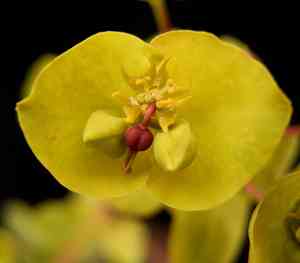
Chiricahua mountain sandmat (Euphorbia florida)
Also known as: N/A
The Chiricahua mountain sandmat (Euphorbia abramsiana) showcases vibrant green foliage and unique cyathium structures that resemble flowers. These structures are highlighted by colorful bracts, often confused with petals. Key adaptations to arid conditions include its thick, succulent leaves, which store water efficiently, and its ability to minimize water loss, enabling the plant to flourish in dry environments.
In This Article
Attributes of Chiricahua mountain sandmat
Lifespan
Perennial
Plant Type
Succulent, Shrub
Plant Height
30-90 cm
Spread
30-60 cm
Leaf Color
Green
Flower Size
Small, around 1 cm
Flower Color
Greenish-yellow
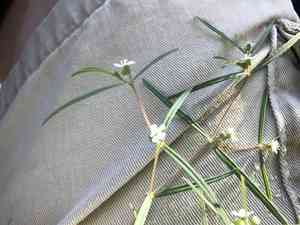
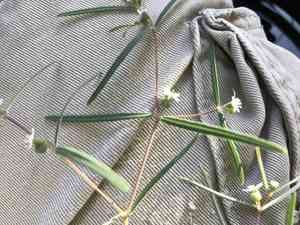
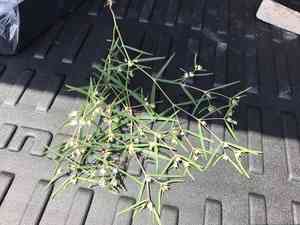
Images of Chiricahua mountain sandmat
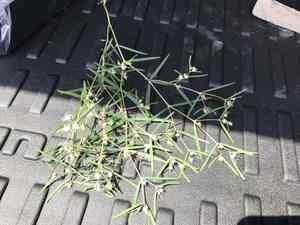
Quickly Identify Chiricahua mountain sandmat
1
Look for its unique cyathia flower structure, milky latex when stems are broken, and spurge-like appearance.
Scientific Classification of Chiricahua mountain sandmat
Phylum
Vascular plants
Class
Dicotyledons
Order
Malpighiales
Family
Spurge
Genus
Spurges
Species
Chiricahua mountain sandmat
Planting and Growing of Chiricahua mountain sandmat
Care Difficulty
Moderate
Watering Schedule
Every 2 days
Sunlight Requirements
Partial sun
Sunshine Duration
6-10 hours
Ideal Temperature
65-75℉
Soil Type
Potting Mix, Peat Mix
Soil pH
6.5-7.5
Fertilizer Type
Balanced
Pruning Season
Spring, Summer
Pruning Area
Branches, Leaves
Pruning Frequency
2 times a year
Repotting Season
Spring
Pot Type
Plastic, Ceramic
 How to Water Chiricahua mountain sandmat?
Water your Euphorbia florida until the soil feels moist but not overly saturated. The goal is to mimic a natural rain shower, providing enough moisture for the roots while avoiding waterlogging, which can lead to root rot.
What are the symptoms of an underwatered Chiricahua mountain sandmat?
›
What should I do if my Chiricahua mountain sandmat is not getting enough water?
›
What are the symptoms of an overwatered Chiricahua mountain sandmat?
›
How to save an overwatered Chiricahua mountain sandmat?
›
 What Are the Sunlight Requirements for Chiricahua mountain sandmat?
Partial sun or full sun exposure ensures optimal growth for Euphorbia florida. These conditions help maintain vigorous growth, healthy foliage, and resistance to disease, allowing the plant to live up to its potential.
What type of light does Euphorbia florida prefer?
›
How can you ensure Euphorbia florida receives the ideal light?
›
What benefits come with providing ideal light to Euphorbia florida?
›
 What Is the Ideal Temperature Range for Chiricahua mountain sandmat?
Euphorbia florida thrives best within a temperature range of 65°F to 75°F, providing optimal growth conditions. This range ensures that the plant's metabolic processes occur efficiently, promoting healthy foliage and encouraging blooming. Consistently maintaining this temperature range minimizes stress, allowing the plant to utilize nutrients and water more effectively.
 What Soil is Best for Chiricahua mountain sandmat?
Euphorbia florida thrives in well-drained soil, which helps prevent root rot and ensures healthy growth. It's important to ensure the soil doesn't retain water for extended periods. This plant prefers soil with moderate fertility. Overly rich soil can lead to excessive foliage growth with fewer flowers, so maintaining balanced nutrients is essential. Well-aerated soil ensures that roots have sufficient oxygen to thrive, preventing conditions such as root suffocation which can occur in dense, unventilated soils.
 How to Fertilize Chiricahua mountain sandmat?
For Euphorbia florida, use a balanced 10-10-10 liquid fertilizer at half strength once a month during the growing season. Limit application to prevent root burn.
 How to Prune Chiricahua mountain sandmat?
Before you begin pruning Euphorbia florida, make sure you have a pair of sharp, clean pruning shears. Having the right tools is crucial for making smooth cuts without damaging the plant tissue. Gloves are also recommended as the sap can be irritating to the skin. Look for branches that are overcrowding the plant structure, crossing, or growing inwards. These are the branches that are usually cut first. By removing them, you open up the plant's canopy, improving air circulation and light penetration. When making cuts, aim to cut back to a growth node or branch intersection. This promotes healing and new growth. Hold your shears at a 45-degree angle to prevent water buildup which could lead to rot.
More About Pruning Techniques→
 How to Propagate Chiricahua mountain sandmat plant?
1
Choose a healthy stem with robust growth. Cut the stem using sterilized pruning shears to prevent the spread of pathogens. The cutting should ideally be 3-4 inches long with at least two leaves.
2
Remove any leaves from the lower half of the cutting. Allow the cuttings to dry for a day or two to form a callous on the cut end, reducing the risk of rot when planted.
3
Plant the cutting or seed in a pot filled with well-draining soil. Water the soil lightly to settle it around the plant material, but avoid waterlogging, which can lead to rot.
 How to Repot Chiricahua mountain sandmat plant?
1
Euphorbia florida usually shows signs it needs repotting when its roots start to outgrow the current pot or protrude through the drainage holes. Another indication is if the soil loses its ability to retain water efficiently, causing quicker drying out.
2
Choose a pot that is one size larger in diameter than the current pot. Ensure the pot has adequate drainage holes to prevent waterlogging. A terracotta pot can be particularly advantageous as it allows for better aeration, which is beneficial for the plant's root health.
3
Selecting a well-draining cacti mix is essential for Euphorbia florida. Such soil contains a mixture of sand, perlite, and peat which provides the necessary drainage, reducing the risk of root rot and effectively mimicking the plant's natural habitat.
Toxicity
Ingestion, Skin contact
WARNING
The judgment on toxicity and danger is for reference only. We DO NOT GUARANTEE any accuracy of such judgment. Therefore, you SHALL NOT rely on such judgment. It is IMPORTANT TO SEEK PROFESSIONAL ADVICE in advance when necessary.
Learn More About Chiricahua mountain sandmat Diseases
Anthracnose
Bacterial Leaf Spot
Bacterial Soft Rot
Bacterial Wilt
Black Spot
Chemical Injury
Crown Gall
Damping-off
Downy Mildew
Drought Stress
Fusarium Wilt
Gray Mold
Leaf Curl
Leaf Spot
Mosaic
Nutrient Deficiency
Nutrient Toxicity
Powdery Mildew
Root Rot
Root-knot Nematode
Rusts
Sooty Mold
Spider Mites
Temperature Stress
Thrips Damage
White Mold


