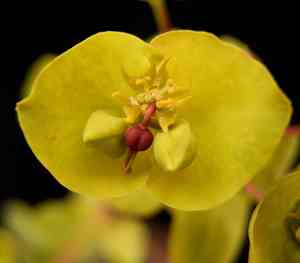
David's spurge (Euphorbia davidii)
Also known as: None
Euphorbia davidii, commonly known as David's spurge, originates from southwestern and central regions of North America. It has also spread to various parts of the world and adapts well to diverse habitats.
In This Article
Attributes of David's spurge
Lifespan
Annual
Plant Type
Herb
Plant Height
20 cm to 76 cm
Spread
Not applicable; it does not form a crown.
Leaf Color
Green
Flower Size
Approximately 2 mm
Flower Color
Yellow Green
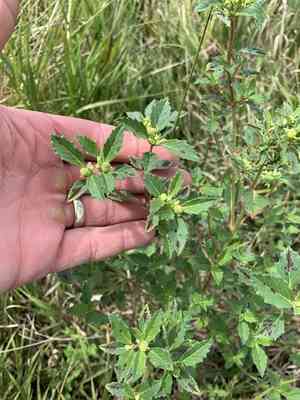
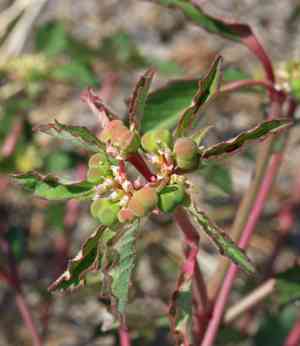
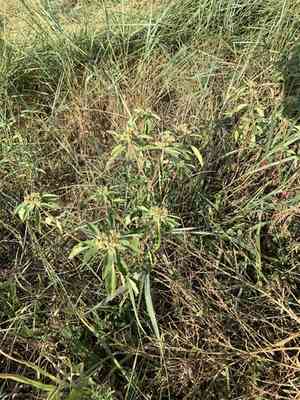
Images of David's spurge
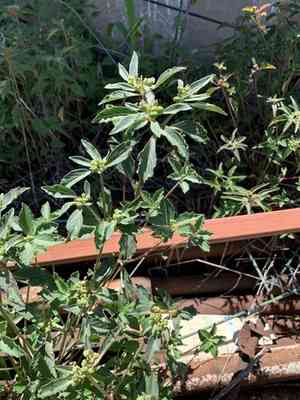
Quickly Identify David's spurge
1
Euphorbia davidii can be identified by its prostrate to ascending growth habit, tiny greenish flowers, and milky sap that exudes when stems or leaves are broken. The leaves are arranged alternately and are small, ovate to lance-shaped with finely toothed margins.
Scientific Classification of David's spurge
Phylum
Vascular plants
Class
Dicotyledons
Order
Malpighiales
Family
Spurge
Genus
Spurges
Species
David's spurge
Planting and Growing of David's spurge
Care Difficulty
Moderate
Watering Schedule
Every 2 days
Sunlight Requirements
Partial sun
Sunshine Duration
4-8 hours
Ideal Temperature
65-75℉
Soil Type
Potting Mix, Peat Mix
Soil pH
6.5-7.5
Fertilizer Type
Balanced
Pruning Season
Spring, Summer
Pruning Area
Branches, Leaves
Pruning Frequency
2 times a year
Repotting Season
Spring
Pot Type
Terracotta, Plastic
 How to Water David's spurge?
Euphorbia davidii thrives on a careful balance of moisture. Each watering session should involve around 200 milliliters of water, making sure the soil feels uniformly moist but not soggy. It's essential to let the top inch of the soil dry out before the next watering to avoid waterlogging.
What are the symptoms of an underwatered David's spurge?
›
What should I do if my David's spurge is not getting enough water?
›
What are the symptoms of an overwatered David's spurge?
›
How to save an overwatered David's spurge?
›
 What Are the Sunlight Requirements for David's spurge?
Euphorbia davidii's ideal light range is partial to full sun exposure, receiving 4 to 6 hours of light daily. This balance ensures healthy growth and vitality, leading to the plant's vibrant coloration and structural integrity.
More About Sunlight Requirements Techniques→
What is the ideal lighting condition for Euphorbia davidii?
›
How can I achieve the ideal lighting condition for my Euphorbia davidii?
›
What benefits will my Euphorbia davidii experience with ideal lighting?
›
 What Is the Ideal Temperature Range for David's spurge?
Euphorbia davidii thrives best in a warm environment where temperatures range between 65°F and 75°F. This range allows the plant to engage in optimal metabolic processes, resulting in healthy growth and vibrant foliage.
 What Soil is Best for David's spurge?
Euphorbia davidii requires soil with excellent drainage to prevent root rot. This ensures healthy root development and minimizes waterlogging risks that could lead to fungal infections. A soil enriched with organic matter is ideal for Euphorbia davidii. This enhances the plant's growth, providing essential nutrients that support its robust foliage and flowering. While adaptable, Euphorbia davidii thrives in slightly alkaline conditions. This pH range optimizes nutrient availability and uptake, contributing to the plant's overall vitality.
 How to Fertilize David's spurge?
For Euphorbia davidii, it is advisable to apply a balanced liquid fertilizer at half the strength recommended on the package during the growing season. This ensures that the plant receives ample nutrients without risking fertilizer burn.
 How to Prune David's spurge?
Start by examining the plant for any dead, diseased, or damaged stems. These should be removed first to prevent any potential spread of plant diseases and to maintain the plant's health and appearance. Prune strategically to encourage a balanced shape. Focus on trimming overgrown areas to allow light and air to reach the inner sections of the plant. This promotes vigorous and healthy growth throughout. Shape the plant to your desired form. Euphorbia davidii can sprawl if not pruned properly, so maintain the desired shape by trimming back excessively long stems and maintaining an overall uniform structure.
More About Pruning Techniques→
 How to Propagate David's spurge plant?
1
Select a well-draining potting mix to fill your seed trays or pots. Ensure the soil is lightly moistened to promote efficient seed germination.
2
Distribute the seeds evenly on the surface of the soil, then cover them with a thin layer of additional soil. This prevents the seeds from drying out too quickly.
3
Choose a healthy section of stem and use your pruning shears to take a cutting just below a node. Plant the cuttings in a pot filled with moist potting mix, ensuring stability.
 How to Repot David's spurge plant?
1
Euphorbia davidii should be repotted when you notice roots crowding the pot or protruding from the drainage holes. Another signal is when the soil dries out much quicker than before, indicating the roots occupy most space. Early spring and summer are ideal times because the plant is actively growing, which helps it recover quickly from the stress of repotting.
2
Opt for a pot that's only a couple of inches larger in diameter than the current one. This prevents the plant from sitting in too much moisture and encourages proper root development. Ensure the pot has drainage holes to avoid waterlogging, which can lead to root rot. Terracotta pots are a good choice as they allow for better airflow and moisture regulation.
3
Use a well-draining cactus mix as it replicates the natural dry environment Euphorbia davidii thrives in. This type of soil minimizes the risk of root rot by ensuring water doesn't sit around the roots. Adding perlite or sand can further improve drainage, which is essential for healthy root growth and preventing overhydration.
Toxicity
Ingestion, Skin Contact
WARNING
The judgment on toxicity and danger is for reference only. We DO NOT GUARANTEE any accuracy of such judgment. Therefore, you SHALL NOT rely on such judgment. It is IMPORTANT TO SEEK PROFESSIONAL ADVICE in advance when necessary.
Learn More About David's spurge Diseases
Anthracnose
Bacterial Leaf Spot
Bacterial Wilt
Black Spot
Chemical Injury
Crown Gall
Cyst Nematode
Damping-off
Downy Mildew
Drought Stress
Fusarium Wilt
Gray Mold
Leaf Spot
Mosaic
Nutrient Deficiency
Nutrient Toxicity
Powdery Mildew
Root Rot
Root-knot Nematode
Rusts
Sooty Mold
Spider Mites
Temperature Stress
Thrips Damage
White Mold



