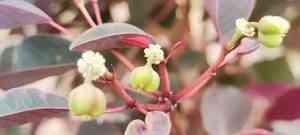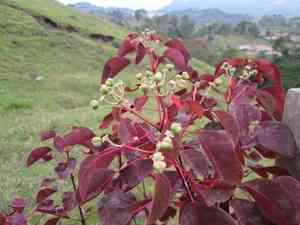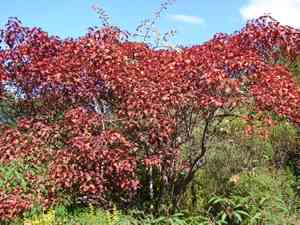
Caribbean copper plant(Euphorbia cotinifolia)

Caribbean copper plant (Euphorbia cotinifolia)

Also known as: Tropical smoke bush

When pruning Euphorbia cotinifolia, also known as the Caribbean Copper Plant or Tropical Smokebush, always wear protective gear like gloves, long sleeves, and eye protection to avoid contact with its toxic sap. This perennial shrub can grow between 3 to 6 meters tall. The sap can cause skin irritation and eye injuries, so take care to avoid exposure. Use sanitized, sharp pruning tools to ensure clean cuts and prevent disease. Dispose of trimmings safely, keeping them away from children and pets.

Attributes of Caribbean copper plant

Lifespan
Perennial
Plant Type
Shrub
Plant Height
3 m to 9 m
Spread
12 cm to 17 cm
Leaf Color
Red Green Brown
Flower Size
5 mm to 1 cm
Flower Color
White Yellow Cream

PlantJoy - Identify plants with a snap

Identify and diagnose plants, get toxicity alerts, and explore safety guides for all types of fungi.

Try for Free

Images of Caribbean copper plant

Caribbean copper plant(Euphorbia cotinifolia)

Quickly Identify Caribbean copper plant

1
Ovate leaves with deep burgundy color, bright red venation, and fleshy texture.
2
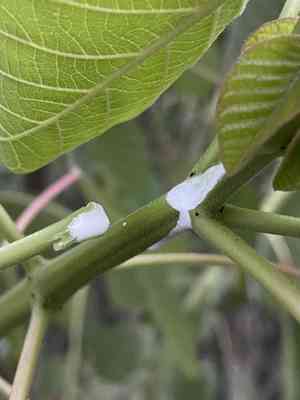
Upright stems with purple hue, dichotomous branching, and slightly glaucous surface.
3
Tiny white flowers in pannicles with creamy bracts for contrast and no prominent scent.
4
Distinctive three-parted capsules with smooth, glossy seeds and earthy tone.
5
Smooth trunk with light brown bark showing horizontal rings, aiding in age identification.

Scientific Classification of Caribbean copper plant

Phylum
Vascular plants
Class
Dicotyledons
Order
Malpighiales
Family
Spurge
Genus
Spurges
Species
Caribbean copper plant

Planting and Growing of Caribbean copper plant

Care Difficulty
Easy
Watering Schedule
Every 4 days
Sunlight Requirements
Full sun
Sunshine Duration
6-10 hours
Ideal Temperature
65-75℉
Soil Type
Potting Mix, Peat Mix
Soil pH
6.5-7.5
Fertilizer Type
Balanced
Pruning Season
Spring, Summer
Pruning Area
Branches, Leaves
Pruning Frequency
2 times a year
Repotting Season
Spring
Pot Type
Plastic, Ceramic

water icon How to Water Caribbean copper plant?

For Euphorbia cotinifolia, ensure the soil is moistened thoroughly with about 500ml of water per watering session. The goal is to provide enough water so that the roots receive adequate moisture, but not so much that the soil stays soggy. The soil should be allowed to dry out between waterings, as this plant does not like to sit in waterlogged conditions.
What are the symptoms of an underwatered Caribbean copper plant?
What should I do if my Caribbean copper plant is not getting enough water?
What are the symptoms of an overwatered Caribbean copper plant?
How to save an overwatered Caribbean copper plant?

sunlight icon What Are the Sunlight Requirements for Caribbean copper plant?

Sunlight Requirements: Full sun, Partial sun
Duration of light: 6 to 8 hours daily
Ideally, Euphorbia cotinifolia should be exposed to 6 to 8 hours of full sun or partial sun daily. Adequate light ensures robust growth, vivid leaf pigmentation, and resistance to environmental stressors.
Preferred Light Intensity
Solutions for Ideal Lighting
Benefits of Optimal Sunlight
More About Sunlight Requirements Techniques

temperature icon What Is the Ideal Temperature Range for Caribbean copper plant?

Ideal Temperature: 65 ~ 75℉
The ideal temperature range for optimal growth of Euphorbia cotinifolia is between 65°F and 75°F. These temperatures provide the perfect balance for photosynthesis and metabolic processes, allowing the plant to thrive and produce vibrant foliage. Maintaining consistent temperatures within this range will help ensure the health and vitality of the plant.

soil icon What Soil is Best for Caribbean copper plant?

Soil type: Loam, Sandy loam
Soil PH: 6.5 ~ 7.5
Euphorbia cotinifolia thrives in well-drained soil, preventing root rot. This allows water to pass through easily, ensuring the roots have access to both water and air, promoting healthy growth. Providing a nutrient-rich medium is essential. This plant benefits from the balanced nutrient mix found in loamy soils, which supports robust leaf and stem development. While it thrives with good drainage, the soil should retain some moisture to prevent dehydration. Sandy loam is excellent for maintaining this moisture balance.

fertilize icon How to Fertilize Caribbean copper plant?

Fertilizer type: Balanced
Euphorbia cotinifolia requires a balanced fertilizer amount to thrive. For liquid fertilizers, use a diluted solution at half the recommended strength to avoid overwhelming the plant. Typically, 1/4 of a cup mixed in water per application is sufficient. Slow-release fertilizers should be applied sparingly, following the package instructions, ensuring not to exceed the amount since this plant is sensitive to over-fertilization.

prune icon How to Prune Caribbean copper plant?

Pruning Time: Spring, Summer
Euphorbia cotinifolia exudes a milky sap that can be irritating to the skin and harmful if ingested. Always wear gloves and protective eyewear while pruning. Additionally, ensure your pruning tools are sanitized before and after use to prevent the spread of plant diseases. Avoid pruning in late autumn or winter to protect the plant from cold damage. More About Pruning Techniques

propagate icon How to Propagate Caribbean copper plant plant?

Propagate Time: Late spring,Summer,Early autumn
1
Choose a healthy branch that is free from diseases or pests. Ensure it is approximately 10-15 cm long with several leaves attached.
2
Use pruning shears to make a clean cut. Remove the lower leaves and dip the cut end in rooting hormone before planting to encourage root growth.
3
Place the cutting into a pot filled with well-draining soil. Ensure the pot has drainage holes to prevent waterlogging, which can lead to root rot.
More About Propagating Techniques

repot icon How to Repot Caribbean copper plant plant?

Repotting frequency: Every 2-3 years
1
Euphorbia cotinifolia needs repotting when you notice roots coming out of the drainage holes or when growth seems stunted despite regular care. This usually indicates the plant has outgrown its current pot. The best time to repot is during spring or early summer when the plant is actively growing, which helps it recover more quickly.
2
Select a pot that is one size larger than the current one. It's crucial to ensure it has drainage holes to prevent waterlogging. A slightly larger pot encourages root expansion without overwhelming the plant with excess soil, which can retain moisture and lead to root rot.
3
Use a well-draining cactus mix, which mimics the plant's natural habitat. The mix should be light and airy to promote good drainage and allow oxygen to reach the roots. This will prevent overwatering issues and provide the right balance of nutrients for optimal growth.

PlantJoy - Identify plants with a snap

Find the best spots for them to optimize their health, simply using your phone.

Try for Free

Toxicity of Caribbean copper plant

Is Caribbean copper plant toxic to humans?

The sap from the Caribbean copper plant possesses toxic properties upon direct contact, which necessitates caution among tree trimmers. This sap can provoke irritation to the eyes and impair vision. If the tree sap touches the skin, it may result in redness and discomfort. Both the leaves and bark of the Caribbean copper plant are only harmful if consumed. Typical symptoms include vomiting, nausea, and diarrhea. The vibrant leaves may attract small children, posing a risk. Ingestion can lead to potential harm to internal organs, particularly affecting the liver and kidneys.

Is Caribbean copper plant toxic to cat?

The Caribbean copper plant presents a significant toxicity threat to cats if ingested. When felines consume the sap or juice of this plant, they risk poisoning. Symptoms of severe physical discomfort may appear in various distressing forms after ingestion. It is crucial for cat owners to safeguard their pets from the Caribbean copper plant and remain vigilant for any indications of illness. Should there be any suspicion of poisoning from the Caribbean copper plant, it is vital for owners to promptly seek veterinary care to address any symptoms and to ensure their cat's safety and health.

Is Caribbean copper plant toxic to dog?

The Caribbean copper plant presents a significant toxicity hazard to dogs. When dogs encounter this plant, especially by ingesting its sap or juice, they face the risk of poisoning. Such ingestion can result in various symptoms, which may include vomiting, diarrhea, lethargy, abdominal pain, and in certain cases, more severe reactions that depend on the quantity consumed and the individual dog's sensitivity. Given its potent toxicity, it is essential for dog owners to ensure their pets cannot access the Caribbean copper plant and to closely monitor them if they are in proximity to it. Should there be any suspicion that a dog has ingested this toxic plant, it is vital to seek immediate veterinary assistance to secure the best possible outcome for the animal.

Identify toxic plants for your safety

Learn which plants are harmful to you and your pets, and make informed choices for a safer home!

Try for Free
WARNING
The judgment on toxicity and danger is for reference only. We DO NOT GUARANTEE any accuracy of such judgment. Therefore, you SHALL NOT rely on such judgment. It is IMPORTANT TO SEEK PROFESSIONAL ADVICE in advance when necessary.
More About Toxic Techniques