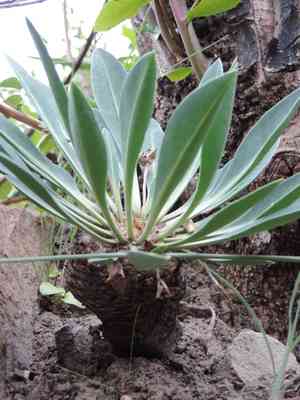
Pine-cone plant (Euphorbia bupleurifolia)
Also known as: Pine Cone Plant, Pine Cone Euphorbia
Pine-cone plant (Euphorbia bupleurifolia) is a dwarf succulent endemic to South Africa where it prefers acidic soil. This species is commonly planted as an ornamental houseplant and grows best in well-drained soil and plentiful sunlight. Wild populations are declining due to human harvesting.
Attributes of Pine-cone plant
Images of Pine-cone plant
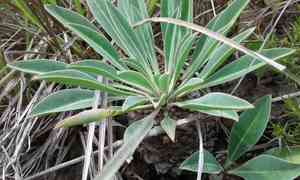
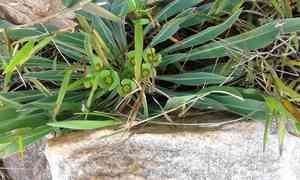
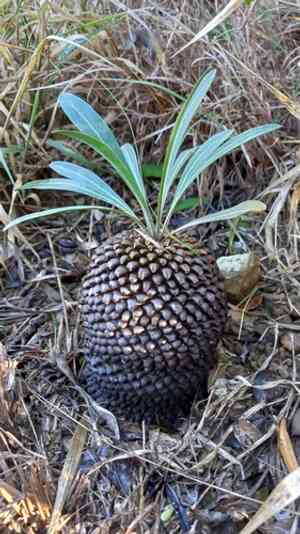
Quickly Identify Pine-cone plant
Scientific Classification of Pine-cone plant
Planting and Growing of Pine-cone plant
 How to Water Pine-cone plant?
 What Are the Sunlight Requirements for Pine-cone plant?
 What Is the Ideal Temperature Range for Pine-cone plant?
 What Soil is Best for Pine-cone plant?
 How to Fertilize Pine-cone plant?
 How to Prune Pine-cone plant?
 How to Propagate Pine-cone plant plant?
 How to Repot Pine-cone plant plant?
Toxicity of Pine-cone plant
Is Pine-cone plant toxic to cat?
The pine-cone plant presents a slight toxicity threat to cats, which is especially worrisome if consumed in larger quantities. The sap and juice of the pine-cone plant are the toxic components that may induce physical discomfort or illness in felines if ingested. It is essential for cat owners to keep a close watch on their pets for any unusual behaviors or signs of distress and to seek immediate veterinary care if poisoning is suspected. Prompt intervention at a veterinary clinic is vital to reduce the impact of the toxic exposure. To avoid accidental ingestion and therefore lower the risk of mild toxic reactions, it is advisable to keep the pine-cone plant out of reach of inquisitive cats.
Is Pine-cone plant toxic to dog?
The pine-cone plant species presents a low toxicity risk for dogs. Canines may experience poisoning mainly after consuming this plant in significant quantities. The toxic element of the pine-cone plant is located in its sap or juice, which can be detrimental if ingested. If a dog comes into contact with or consumes parts of the pine-cone plant, they might display symptoms like vomiting, diarrhea, or lethargy. Therefore, it’s essential for dog owners to keep a close eye on their pets and prevent them from chewing on or eating this plant. Should there be any suspicion that a dog has been poisoned by the pine-cone plant, it is crucial to seek immediate veterinary assistance to ensure the best possible recovery for the animal.



