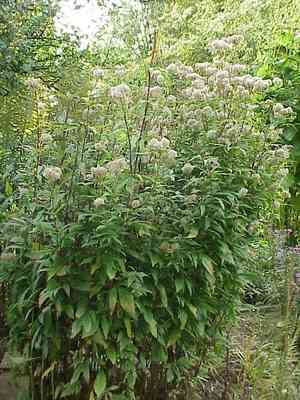
Bonesets (Eupatorium) (Eupatorium)
Also known as: Thoroughworts
Aconitum, commonly known as monkshood or wolfsbane, is a genus of plants that offers sprays of flowers in shades from white to violet. These plants are favored in perennial gardens and bloom in late summer, drawing in bees and birds. However, it is important to note that Aconitum species are highly toxic to humans.
In This Article
Attributes of Bonesets (Eupatorium)
Lifespan
Perennial
Plant Height
2 m
Spread
1.5 m
Leaf Color
Green
Flower Size
Small, about 0.5 to 1 cm
Flower Color
White, pink, or purple
Images of Bonesets (Eupatorium)
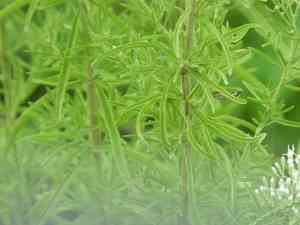
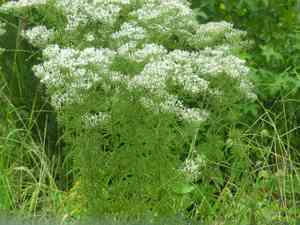
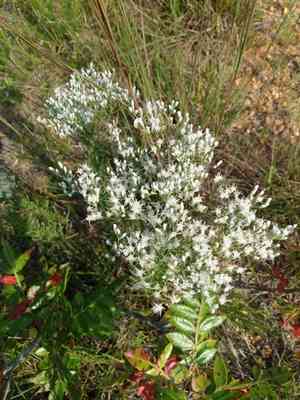
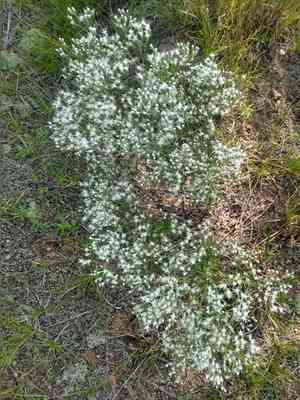
Quickly Identify Bonesets (Eupatorium)
1
Eupatorium species can be identified by their opposite leaves, purplish stems, and dense, domed clusters of small flowers, usually white or pink in color.
Scientific Classification of Bonesets (Eupatorium)
Phylum
Magnoliophyta
Class
Magnoliopsida
Order
Asterales
Family
Asteraceae
Genus
Eupatorium
Planting and Growing of Bonesets (Eupatorium)
Care Difficulty
Easy
Watering Schedule
Every 2 days
Sunlight Requirements
Partial sun
Sunshine Duration
4-8 hours
Ideal Temperature
65-75℉
Soil Type
Potting Mix, Peat Mix
Soil pH
6.5-7.5
Fertilizer Type
Balanced
Pruning Season
Spring, Summer
Pruning Area
Branches, Leaves
Pruning Frequency
2 times a year
Repotting Season
Spring
Pot Type
Plastic, Ceramic
 How to Water Bonesets (Eupatorium)?
Eupatorium prefers evenly moist soil, which means watering until the soil is saturated but not waterlogged. A good rule of thumb is to water until around 500ml per plant has been absorbed, ensuring excess water drains away. The soil should be moist up to a couple of inches deep, but be careful to avoid any standing water around the roots.
What are the symptoms of an underwatered Bonesets (Eupatorium)?
›
What should I do if my Bonesets (Eupatorium) is not getting enough water?
›
What are the symptoms of an overwatered Bonesets (Eupatorium)?
›
How to save an overwatered Bonesets (Eupatorium)?
›
 What Are the Sunlight Requirements for Bonesets (Eupatorium)?
Eupatorium thrives in partial to full sun, where it can enjoy about 4 to 6 hours of sunlight daily. This range encourages healthy blooming and sturdy stem growth, enhancing its ornamental beauty.
Optimal Sun Exposure
›
Maintaining Consistent Lighting
›
Light Management in Different Seasons
›
 What Is the Ideal Temperature Range for Bonesets (Eupatorium)?
The ideal temperature range for growing Eupatorium is between 65°F and 75°F. This range provides optimal conditions for the plant's metabolic processes, ensuring healthy growth and vibrant blooms. Within this range, the plant can effectively photosynthesize and utilize nutrients, leading to robust health and increased resistance to diseases.
 What Soil is Best for Bonesets (Eupatorium)?
Eupatorium requires soil with good drainage properties to prevent root rot. Proper drainage allows excess water to escape, ensuring the roots receive ample oxygen, essential for plant health and growth. Nutrient-rich soil is vital for Eupatorium as it supports vigorous growth and vibrant blooms. A soil replete with organic matter supplies necessary nutrients, enhancing the plant's resistance to diseases and stress. While good drainage is crucial, Eupatorium also benefits from soil that can retain sufficient moisture. A balance of moisture retention keeps the plant hydrated, particularly during dry spells, promoting sustained growth and flowering.
 How to Fertilize Bonesets (Eupatorium)?
Eupatorium requires a moderate amount of fertilizer to thrive. During the growing season, it is advisable to use a balanced 10-10-10 liquid fertilizer. Apply at a rate of half the recommended strength to prevent nutrient burn. Be mindful of adjusting the amount based on specific soil conditions.
 How to Prune Bonesets (Eupatorium)?
Start by removing any dead or diseased stems. Cut these stems back to the point where they attach to a healthy branch or the main stem. This helps prevent the spread of disease and allows the plant to focus energy on healthy growth. Eupatorium can become quite dense, so thinning out crowded areas will improve air circulation and light penetration. Focus on removing older, woody stems that no longer produce flowers. Cut them back to the base of the plant, while retaining a few inches of new growth. To maintain an attractive shape, trim back the tips of the branches, cutting just above a leaf node. This encourages branching and results in a fuller plant. Aim for a balanced, natural look rather than strict uniformity.
 How to Propagate Bonesets (Eupatorium) plant?
1
Sow Eupatorium seeds in early spring using a seed tray filled with moist, well-draining compost. Lightly cover the seeds with compost and ensure they receive indirect sunlight. Maintain consistent moisture until germination occurs.
2
For cutting propagation, select a healthy stem in late spring or early summer. Cut a section of about 4-6 inches long, remove leaves from the lower half, and dip the end in rooting hormone before planting in a potting mix.
3
In early spring, dig up the Eupatorium clump and gently separate the root ball into smaller sections. Each section should have several stems and a healthy root system. Replant the divisions immediately in well-prepared soil.
 How to Repot Bonesets (Eupatorium) plant?
1
Eupatorium typically signals the need for repotting when its roots start peeking through the drainage holes or if growth becomes stunted. It's best to plan for repotting during active growth periods, which are usually in spring or summer, to minimize stress on the plant.
2
The pot for Eupatorium should be slightly larger than its current one, with adequate drainage holes to prevent waterlogging. A too-large pot can lead to moisture retention, increasing the risk of root rot, while a slightly larger pot helps the plant establish its roots efficiently.
3
Opt for an organic-rich, well-draining soil mix. Such soil excels at retaining moisture without becoming waterlogged, ensuring that Eupatorium's roots have access to air, crucial for healthy growth and preventing root diseases.
Toxicity
Ingestion
WARNING
The judgment on toxicity and danger is for reference only. We DO NOT GUARANTEE any accuracy of such judgment. Therefore, you SHALL NOT rely on such judgment. It is IMPORTANT TO SEEK PROFESSIONAL ADVICE in advance when necessary.
Learn More About Bonesets (Eupatorium) Diseases
Anthracnose
Bacterial Leaf Spot
Bacterial Wilt
Chemical Injury
Crown Gall
Cyst Nematode
Damping-off
Downy Mildew
Drought Stress
Fusarium Wilt
Gray Mold
Leaf Spot
Mosaic
Nutrient Deficiency
Nutrient Toxicity
Powdery Mildew
Root Rot
Root-knot Nematode
Rusts
Sooty Mold
Spider Mites
Temperature Stress
Thrips Damage
White Mold

