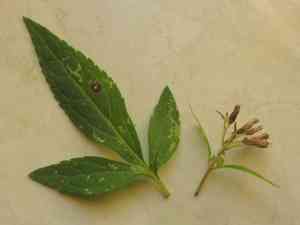
Yankee weed (Eupatorium compositifolium)
Also known as: Yankeeweed
Yankee weed, a bushy perennial herb, commonly thrives in disturbed areas such as roadsides, fields, and pastures. It is well-suited to various soil types, including sandy soils typically found in coastal plains and pinelands. This plant prefers full sunlight and is identifiable by its unique leaf arrangement. From late summer to fall, it produces clusters of small, white to pale pink flowers, attracting pollinators and supporting local ecosystems.
In This Article
Attributes of Yankee weed
Lifespan
Perennial
Plant Type
Herb
Plant Height
3-4 feet
Spread
1-2 feet
Leaf Color
Green
Flower Size
0.2-0.3 inches
Flower Color
White to purple
Images of Yankee weed
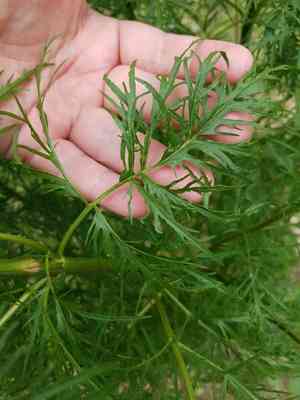
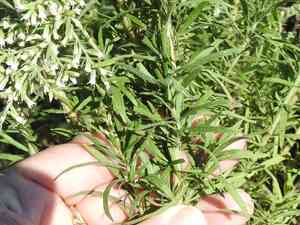
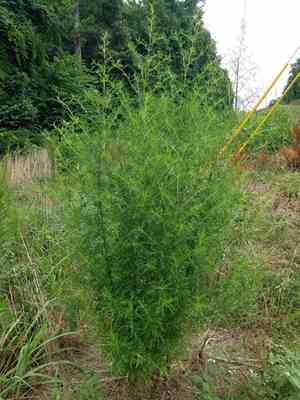
Quickly Identify Yankee weed
1
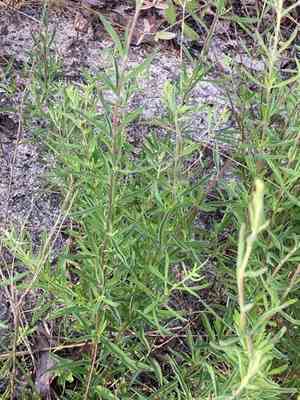
Identify Eupatorium compositifolium by its height of up to 3-4 feet, serrated lance-shaped leaves, and clusters of small white to purple flowers. The stems are typically hairy.
Scientific Classification of Yankee weed
Phylum
Vascular plants
Class
Dicotyledons
Order
Asterales
Family
Daisy
Genus
Bonesets
Species
Yankee weed
Planting and Growing of Yankee weed
Care Difficulty
Easy
Watering Schedule
Every 2 days
Sunlight Requirements
Full sun
Sunshine Duration
6-12 hours
Ideal Temperature
65-75℉
Soil Type
Potting Mix, Peat Mix
Soil pH
6.5-7.5
Fertilizer Type
Balanced
Pruning Season
Spring, Summer
Pruning Area
Branches, Leaves
Pruning Frequency
2 times a year
Repotting Season
Spring
Pot Type
Plastic, Ceramic
 How to Water Yankee weed?
When watering Eupatorium compositifolium, it's important to ensure that the soil is thoroughly soaked but not waterlogged. This species prefers consistent moisture without sitting in water. Water until the top layer of soil feels moist and excess water drains from the bottom of the pot. It mimics their native environment where occasional rain showers keep the soil moist.
What are the symptoms of an underwatered Yankee weed?
›
What should I do if my Yankee weed is not getting enough water?
›
What are the symptoms of an overwatered Yankee weed?
›
How to save an overwatered Yankee weed?
›
 What Are the Sunlight Requirements for Yankee weed?
Partial to full sun ensures Eupatorium compositifolium thrives, allowing vibrant growth and flourishing throughout the growth cycle. Consistent exposure to this range maximizes flowering potential and resilience.
What is the optimal location for Eupatorium compositifolium?
›
How can you adjust for seasonal changes?
›
Why is consistent sunlight important for this plant?
›
 What Is the Ideal Temperature Range for Yankee weed?
The ideal temperature range for Eupatorium compositifolium is between 65 and 75 degrees Fahrenheit. This range supports optimal growth and photosynthesis, ensuring the plant can thrive in a controlled environment that mimics its natural habitat.
 What Soil is Best for Yankee weed?
Eupatorium compositifolium thrives in well-drained soil, which prevents waterlogging, ensuring the roots stay healthy and oxygenated. This type of soil helps in avoiding root rot and fungal infections, contributing to robust growth and vibrant flowering. This plant prefers soil with moderate nutrient content, neither too rich nor too poor. Nutrients boost its growth and ensure lush foliage, but over-fertilizing can lead to leggy plants with fewer flowers. Balanced soil nutrition promotes natural resilience and optimal health. Slightly acidic to neutral pH levels are ideal for Eupatorium compositifolium. Soil within this pH range enhances the availability of essential nutrients, ensuring that the plant absorbs the minerals needed for healthy development and robust flowering.
 How to Fertilize Yankee weed?
For Eupatorium compositifolium, it is important to use a balanced fertilizer mix. Make sure to follow the instructions on the fertilizer's label, generally using about one tablespoon per gallon of water for liquid applications. Over-fertilizing can harm the plant, so it's crucial not to exceed the recommended amounts. For slow-release fertilizers, use these sparingly – just a small handful sprinkled on the soil around the base.
 How to Prune Yankee weed?
Focus on removing dead, damaged, or diseased stems first. Cut them down to the base. Then, thin out the plant by cutting back overly dense areas to improve air circulation and light penetration. Trim back any leggy or overgrown stems to shape the plant. Make your cuts just above a leaf node to encourage fuller growth. This type of management keeps your Eupatorium compositifolium tidy and encourages a more robust appearance. When cutting, angle your cut away from the bud or node to prevent water from sitting on the cut surface, which may lead to rotting. Be sure to wear gloves, as some people may have skin sensitivities to plant sap.
More About Pruning Techniques→
 How to Propagate Yankee weed plant?
1
Begin by sowing seeds in a prepared seed tray with a fine seed-starting mix. Lightly press the seeds into the soil and cover them with a thin layer of soil or perlite. Maintain consistent moisture by misting and keep the tray in a warm spot with indirect sunlight until germination occurs.
2
Select a healthy parent plant and use sterilized pruning shears to take stem cuttings of 4 to 6 inches in length. Remove the lower leaves and dip the cut end in rooting hormone before placing it in a moist, well-draining potting mix. Provide warmth and cover with plastic to maintain humidity.
3
Carefully dig up the entire plant and gently separate the clumps, ensuring each division has a portion of roots attached. Replant the divisions into well-prepared soil at the same depth as the original plant. Water thoroughly to help the roots establish in their new location.
 How to Repot Yankee weed plant?
1
Eupatorium compositifolium shows it's ready for repotting when roots begin encircling the pot bottom or escaping through drainage holes. Spring and early summer are perfect times, aligning with active growth phases, promoting root establishment in new soil.
2
Select a pot slightly larger than the current one, ensuring about 2 inches more in diameter. This offers ample space for root growth without overwhelming the plant in excess soil, ultimately preventing water retention issues.
3
Opt for a well-draining sandy mix tailored for native perennials. It ensures proper drainage and aeration, preventing root rot while supporting the plant's nutrient uptake, crucial for healthy growth post-repotting.
Toxicity
Ingestion
WARNING
The judgment on toxicity and danger is for reference only. We DO NOT GUARANTEE any accuracy of such judgment. Therefore, you SHALL NOT rely on such judgment. It is IMPORTANT TO SEEK PROFESSIONAL ADVICE in advance when necessary.



