
Spindle trees (Euonymus) (Euonymus)
Also known as: Burning-bush, Strawberry-bush
Spindle trees, found globally, are known for their diverse flowers and leaves. A notable European species, often called the "burning bush," is distinguished by its fiery red flowers. Traditionally, spindle wood is used to craft small implements like spindles, handles, and pegs. The trees also bear distinctive pink and orange fruits, which are toxic if ingested. Additionally, several varieties, such as glossy, baby, bigleaf, and purpleleaf, are popular in ornamental landscaping.
In This Article
Attributes of Spindle trees (Euonymus)
Lifespan
Perennial
Plant Height
50 cm
Spread
50 cm
Leaf Color
Green (summer), Red/Purple (autumn)
Flower Size
2.5 cm
Flower Color
Greenish-yellow
Images of Spindle trees (Euonymus)
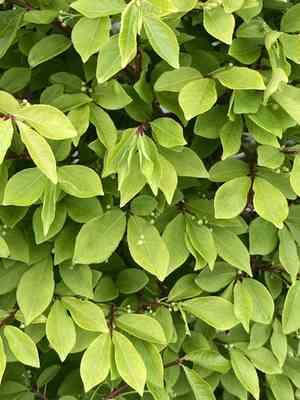
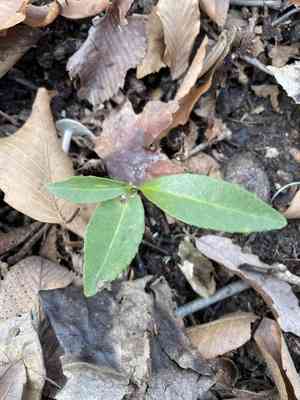
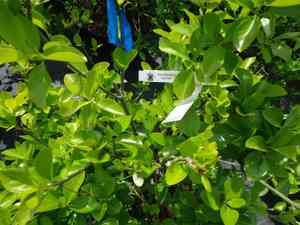
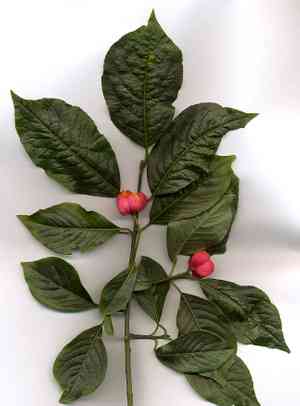
Quickly Identify Spindle trees (Euonymus)
1
Euonymus plants can be identified by their opposite leaves, colorful autumn foliage, and unique, often bright red or orange fruit capsules that split open to reveal seeds.
Scientific Classification of Spindle trees (Euonymus)
Phylum
Magnoliophyta
Class
Magnoliopsida
Order
Celastrales
Family
Celastraceae
Genus
Euonymus
Planting and Growing of Spindle trees (Euonymus)
Care Difficulty
Moderate
Watering Schedule
Every 3 days
Sunlight Requirements
Partial sun
Sunshine Duration
6-10 hours
Ideal Temperature
60-70℉
Soil Type
Potting Mix, Peat Mix
Soil pH
6.5-7.5
Fertilizer Type
Balanced
Pruning Season
Spring, Summer
Pruning Area
Branches, Leaves
Pruning Frequency
2 times a year
Repotting Season
Spring
Pot Type
Plastic, Ceramic
 How to Water Spindle trees (Euonymus)?
The watering amount for Euonymus should be around 250 ml per session, enough to moisten the soil thoroughly without causing water to sit at the bottom. It's crucial to ensure the soil is mostly dry between waterings, as this plant prefers a well-drained environment.
What are the symptoms of an underwatered Spindle trees (Euonymus)?
›
What should I do if my Spindle trees (Euonymus) is not getting enough water?
›
What are the symptoms of an overwatered Spindle trees (Euonymus)?
›
How to save an overwatered Spindle trees (Euonymus)?
›
 What Are the Sunlight Requirements for Spindle trees (Euonymus)?
Partial sun is ideal, where Euonymus benefits by maintaining vibrant foliage and robust growth, making it a resilient and visually appealing plant.
What is the optimal sunlight exposure for Euonymus?
›
How can I ensure Euonymus gets the ideal light?
›
What benefits will ideal lighting provide to Euonymus?
›
 What Is the Ideal Temperature Range for Spindle trees (Euonymus)?
The ideal temperature range for Euonymus plants is between 60 and 70 degrees Fahrenheit. These conditions mimic their natural habitat, ensuring proper growth and vitality. By maintaining this temperature range, the plants can achieve optimal photosynthesis rates, leading to vibrant foliage and healthy development. Ideally, the environment should be monitored, especially in controlled conditions, to keep within this range for the best results in growth and resilience.
 What Soil is Best for Spindle trees (Euonymus)?
Euonymus thrives best in well-drained soil, which prevents waterlogging and ensures the roots have access to necessary oxygen. This reduces the risk of root rot and promotes healthier plant growth. Moderate fertility is ideal for Euonymus, as excessive nutrients can lead to rapid, uncontrolled growth, while insufficient nutrients can result in weak plants. Balanced soil fertility helps maintain a steady growth rate. While Euonymus needs well-drained soil, it also requires soil that retains some moisture. This balance helps ensure the plant stays hydrated during dry periods, supporting overall vigour and resilience.
 How to Fertilize Spindle trees (Euonymus)?
For Euonymus, a balanced approach in fertilization is essential. Generally, 1 teaspoon of liquid fertilizer diluted in 1 gallon of water is recommended. For granular slow-release fertilizers, follow the instruction on the package, usually about 2-3 tablespoons per plant every few months.
 How to Prune Spindle trees (Euonymus)?
First, focus on trimming the overgrown sections. Cut back any branches that extend beyond the desired shape or size of your plant. This prevents one part of the plant from shading the rest too much, which can hinder growth. After removing the dead or unhealthy branches, work on shaping your Euonymus. Aim for a balanced look where the plant's natural shape is enhanced. This not only improves aesthetics but also ensures uniform sunlight exposure. By selectively pruning certain areas, you can encourage new growth where it's needed. Focus on cutting just above a node to stimulate new shoots. This promotes a fuller and more vibrant appearance in your Euonymus.
 How to Propagate Spindle trees (Euonymus) plant?
1
Select healthy, non-flowering stems from the parent plant. Cut sections about 4-6 inches in length, ensuring there are several nodes on each cutting.
2
Dip the cut ends into rooting hormone and plant them in a pot filled with a well-draining potting mix. Keep the soil consistently moist but not waterlogged.
3
Select ripe seeds from a mature Euonymus plant. Remove the outer seed coat carefully to prepare for sowing in a nutrient-rich growing medium.
 How to Repot Spindle trees (Euonymus) plant?
1
Observe your Euonymus for signs of overcrowding, such as roots emerging from drainage holes or a noticeable slowdown in growth. These are clear indicators that repotting is needed. The optimal time to repot is during the plant's active growing season, primarily in spring or early autumn, allowing it to recover swiftly.
2
Select a pot that is 1-2 inches larger than the current one, ensuring it has sufficient drainage holes. A slightly larger pot provides room for root expansion without overwhelming the plant, which helps in maintaining healthy growth patterns while preventing issues like root rot.
3
Use a well-draining potting mix, ideally one that includes components like peat, perlite, and pine bark. These ingredients ensure good moisture retention and aeration, fostering an optimal root environment that prevents waterlogging and encourages robust growth.
Toxicity
Ingestion
WARNING
The judgment on toxicity and danger is for reference only. We DO NOT GUARANTEE any accuracy of such judgment. Therefore, you SHALL NOT rely on such judgment. It is IMPORTANT TO SEEK PROFESSIONAL ADVICE in advance when necessary.

