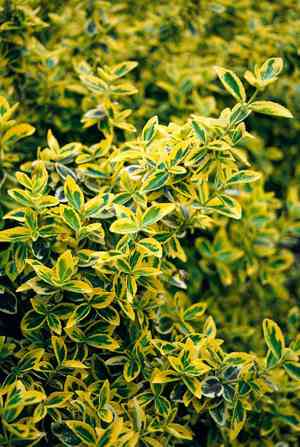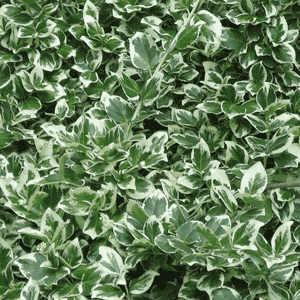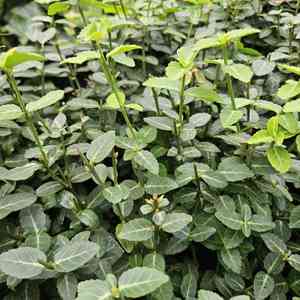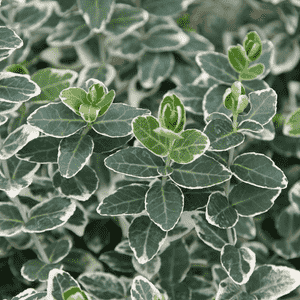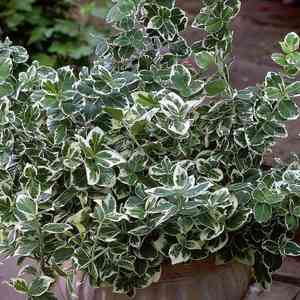
Wintercreeper(Euonymus fortunei)

Wintercreeper (Euonymus fortunei)

Also known as: Climbing euonymus

Lonicera japonica, known as Japanese honeysuckle, is an evergreen shrub native to East Asia. This plant is frequently used for groundcover and as a climbing vine due to its vigorous growth. However, it is considered invasive in numerous areas across North America.

Attributes of Wintercreeper

Lifespan
Perennial
Plant Type
Vine
Plant Height
1 m to 20 m
Spread
60 cm to 90 cm
Leaf Color
Green White Yellow Gray Variegated Silver
Flower Size
5 mm to 6 mm
Flower Color
Green White Yellow

ForwardPlant - Identify plants with a snap

Identify and diagnose plants, get toxicity alerts, and explore safety guides for all types of fungi.

Try for Free

Images of Wintercreeper

Wintercreeper(Euonymus fortunei)

Quickly Identify Wintercreeper

1
Evergreen glossy leaves with shiny upper sides and pale undersides.
2
Small greenish-white flowers with dome-shaped or flat petals.
3
Fruit with white spherical capsules revealing colorful orange to red arils.
4
Young green terete stems transitioning to reddish-brown woody mature branches.
5
Modest girth trunk with smooth gray-brown bark, developing minor fissures with maturity.

Scientific Classification of Wintercreeper

Phylum
Vascular plants
Class
Dicotyledons
Order
Spindle tree order
Family
Bittersweet
Genus
Spindle trees
Species
Wintercreeper

Planting and Growing of Wintercreeper

Care Difficulty
Easy
Watering Schedule
Every 3 days
Sunlight Requirements
Full sun
Sunshine Duration
6-8 hours
Ideal Temperature
60-77℉
Soil Type
Potting Mix, Peat Mix
Soil pH
6.5-7.5
Fertilizer Type
Balanced
Pruning Season
Spring, Summer
Pruning Area
Branches, Leaves
Pruning Frequency
2 times a year
Repotting Season
Spring
Pot Type
Plastic, Ceramic

water icon How to Water Wintercreeper?

Euonymus fortunei prefers a consistent watering schedule where the soil remains slightly moist. Water deeply enough so that the soil is moist to a depth of about 5 to 8 cm. Avoid letting the plant sit in water as it can lead to root rot. This means you should water more frequently during hot, dry periods to maintain the moisture level, and reduce during cooler months.
What are the symptoms of an underwatered Wintercreeper?
What should I do if my Wintercreeper is not getting enough water?
What are the symptoms of an overwatered Wintercreeper?
How to save an overwatered Wintercreeper?
More About Watering Techniques

sunlight icon What Are the Sunlight Requirements for Wintercreeper?

Sunlight Requirements: Full sun, Partial sun
Duration of light: 4-6 hours
Euonymus fortunei thrives in partial to full sun exposure, ideally receiving around 4 to 6 hours of sunlight. This balance promotes vibrant leaf color and robust growth.
How much sunlight does Euonymus fortunei ideally need?
What solutions exist to achieve ideal light conditions for Euonymus fortunei?
What benefits does Euonymus fortunei receive from ideal lighting?
More About Sunlight Requirements Techniques

temperature icon What Is the Ideal Temperature Range for Wintercreeper?

Ideal Temperature: 60 ~ 77℉
For optimal growth, Euonymus fortunei prefers temperatures between 60°F and 77°F. This range supports vigorous growth and vibrant foliage. Maintaining these temperatures encourages strong root development and better resistance to pests and diseases.

soil icon What Soil is Best for Wintercreeper?

Soil type: Loam, Sandy loam, Clay soil
Soil PH: 6.5 ~ 7.5
Euonymus fortunei thrives in nutrient-rich soils that provide essential nutrients for robust growth and vibrant foliage. The abundance of organic matter in such soils boosts plant vitality. This plant requires well-drained soil to prevent root rot and promote healthy root development. A well-drained substrate helps the plant retain the right moisture level without becoming waterlogged. While well-drained, the soil should also have good moisture retention properties, ensuring the plant receives consistent hydration. Balanced moisture levels are crucial for maintaining plant health. More About Soil

fertilize icon How to Fertilize Wintercreeper?

Fertilizer type: Balanced
The Euonymus fortunei thrives with moderated amounts of fertilizer. When using a balanced liquid fertilizer, mix one tablespoon of fertilizer with one gallon of water. For granular or slow-release fertilizers, apply approximately one pound per 100 square feet. This ensures nutrients without risking nutrient burn. More About Fertilizing Techniques

prune icon How to Prune Wintercreeper?

Pruning Time: Spring, Summer
Begin by removing any dead, damaged, or diseased branches. This encourages healthy growth and improves air circulation within the plant, reducing the chance of disease. Cut back to healthy, green wood. When shaping Euonymus fortunei, cut just above leaf nodes to encourage bushier growth, thus creating a fuller appearance. This is especially useful if you're using the plant as a hedge or ground cover. To keep the plant in the desired dimensions, selectively prune the longest branches. Focus on reducing the unnecessary spread and height to maintain a neat appearance, especially if the plant is in a confined space. More About Pruning Techniques

propagate icon How to Propagate Wintercreeper plant?

Propagate Time: Spring, Late spring, Early spring, Summer
1
Choose a healthy parent plant and make a clean cut of about 4-6 inches from non-flowering shoots. Ensure that the cutting is free of pests and diseases to increase success rates.
2
Dip the cut end of the cutting into rooting hormone before inserting it into a pre-prepared potting mix. This helps stimulate root growth and enhances the likelihood of successful rooting.
3
Plant the cutting in a well-draining potting mix. Make a hole using a stick or pencil so that the rooting hormone does not rub off when planting the cutting.
More About Propagating Techniques

repot icon How to Repot Wintercreeper plant?

Repotting frequency: Every 2-3 years
1
You should consider repotting your Euonymus fortunei when you notice roots growing through the drainage holes, or if the plant exhibits stunted growth. These signs indicate the plant has outgrown its current pot and requires a larger space to continue thriving. The best time to repot is during the Spring or Autumn, when the plant is in its active growth phase.
2
Select a pot that is about 2 inches larger in diameter than the current one. Ensure it has adequate drainage holes to prevent waterlogging, as this can lead to root rot. Using a larger pot provides sufficient space for root expansion, promoting healthier plant development.
3
Opt for a well-draining potting mix that contains perlite or vermiculite. This type of soil ensures the roots remain aerated and prevents water from accumulating, reducing the risk of root-related diseases. The right soil mix supports robust growth and longevity of the plant.
More About Repotting Techniques

ForwardPlant - Identify plants with a snap

Find the best spots for them to optimize their health, simply using your phone.

Try for Free

Toxicity of Wintercreeper

Is Wintercreeper toxic to cat?

Wintercreeper presents a notable health hazard to felines because of its toxic properties. Cats might accidentally consume various parts of this plant, resulting in potential poisoning. Every component of wintercreeper is toxic, including its flowers, fruits, leaves, roots, seeds, stems, bark, and sap, which increases the likelihood of exposure. Upon ingesting wintercreeper, a cat may exhibit signs of physical distress, requiring urgent veterinary care. To protect feline well-being, it is crucial for cat owners to restrict access to this plant and obtain immediate medical attention at a veterinary clinic if poisoning is suspected.

Is Wintercreeper toxic to dog?

Wintercreeper is recognized as a toxic species for dogs. Canines risk poisoning from this plant if they unknowingly consume it. Every component of wintercreeper, encompassing flowers, fruits, leaves, roots, seeds, stems, bark, and sap/juice, is deemed harmful. Should a dog ingest any part of wintercreeper, it may display symptoms such as vomiting, diarrhea, abdominal discomfort, weakness, or even more severe reactions based on the quantity ingested. It is essential for dog owners to remain vigilant and prevent their pets from gaining access to wintercreeper. If a dog does consume any portion of this plant, prompt veterinary intervention is vital for effectively managing the poisoning.

Identify toxic plants for your safety

Learn which plants are harmful to you and your pets, and make informed choices for a safer home!

Try for Free
WARNING
The judgment on toxicity and danger is for reference only. We DO NOT GUARANTEE any accuracy of such judgment. Therefore, you SHALL NOT rely on such judgment. It is IMPORTANT TO SEEK PROFESSIONAL ADVICE in advance when necessary.
More About Toxic Techniques