Stoppers (Eugenia)(Eugenia)

Stoppers (Eugenia) (Eugenia)

Also known as: Surinam Cherry, Brazilian Cherry, Pitanga

Stoppers belong to the genus Eugenia and thrive in tropical and subtropical climates. Noteworthy characteristics include:

1. **Year-Round Evergreen Leaves**: They maintain dense, glossy foliage throughout the year.
2. **Seasonal Blooms and Berries**: Small, fragrant flowers bloom in the summer, followed by bright, colorful berries in the fall.
3. **Moderate to Fast Growth**: They grow at a rapid pace, making them ideal for quick landscaping solutions.

Common uses for Stoppers are:

1. **Ornamental Hedges**: Frequently planted as decorative hedges due to their dense growth.
2. **Large Container Plants**: Suitable for growing in large pots, adding aesthetic value to patios and balconies.
3. **Erosion Control**: Their root systems help stabilize soil, which prevents erosion.
4. **Wildlife Attraction**: The berries attract birds and other wildlife, enhancing biodiversity in gardens.

In summary, Stoppers are versatile plants that offer aesthetic appeal, functionality in landscaping, and ecological benefits.

Attributes of Stoppers (Eugenia)

Lifespan
Perennial
Plant Height
3-8 meters
Spread
2-4 meters
Leaf Color
Dark green
Flower Size
1-2 centimeters
Flower Color
White

ForwardPlant - Identify plants with a snap

Identify and diagnose plants, get toxicity alerts, and explore safety guides for all types of fungi.

Try for Free

Images of Stoppers (Eugenia)

Stoppers (Eugenia)(Eugenia)

Quickly Identify Stoppers (Eugenia)

1
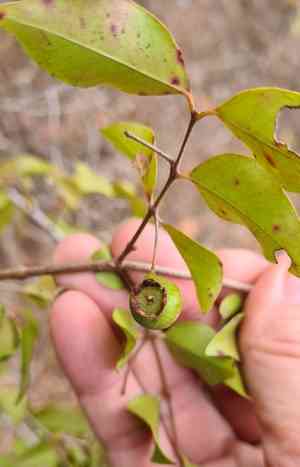
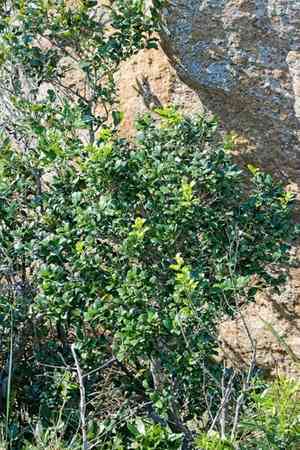
To identify Eugenia, look for a shrub or small tree with smooth, glossy, dark green leaves. The fruits are typically bright red or orange-red, ribbed, and resemble miniature pumpkins or cherries. Flowers are white and fragrant.

Scientific Classification of Stoppers (Eugenia)

Phylum
Magnoliophyta
Class
Magnoliopsida
Order
Myrtales
Family
Myrtaceae
Genus
Eugenia

Planting and Growing of Stoppers (Eugenia)

Care Difficulty
Moderate
Watering Schedule
Every 2 days
Sunlight Requirements
Partial sun
Sunshine Duration
6-10 hours
Ideal Temperature
60-75℉
Soil Type
Potting Mix, Peat Mix
Soil pH
6.5-7.5
Fertilizer Type
Balanced
Pruning Season
Spring, Summer
Pruning Area
Branches, Leaves
Pruning Frequency
2 times a year
Repotting Season
Spring
Pot Type
Plastic, Ceramic

water icon How to Water Stoppers (Eugenia)?

When watering Eugenia, ensure the soil is evenly moist but not waterlogged. It's best to water deeply using about 500 ml, allowing the water to soak thoroughly into the root zone. Check the top inch of the soil; if it's dry, it's time to water. This approach ensures roots receive adequate moisture without drowning.
What are the symptoms of an underwatered Stoppers (Eugenia)?
What should I do if my Stoppers (Eugenia) is not getting enough water?
What are the symptoms of an overwatered Stoppers (Eugenia)?
How to save an overwatered Stoppers (Eugenia)?

sunlight icon What Are the Sunlight Requirements for Stoppers (Eugenia)?

Sunlight Requirements: Partial sun, Full sun
Duration of light: 4 to 6 hours daily
Partial sun provides Eugenia with balanced light exposure, ensuring robust foliage and optimal health. Partial sun encourages dense, glossy leaves and resilient growth habits.
Why does Eugenia thrive under partial sun?
How can you ensure Eugenia receives ideal lighting?
Benefits of optimal lighting for Eugenia

temperature icon What Is the Ideal Temperature Range for Stoppers (Eugenia)?

Ideal Temperature: 60 ~ 75℉
Eugenia plants thrive best in a temperature range of 60°F to 75°F (15°C to 24°C). This range allows for optimal metabolic processes, including photosynthesis and respiration, leading to vibrant growth and development. Maintaining these temperatures ensures the plant's health and vitality, and it's particularly important during the growing seasons.

soil icon What Soil is Best for Stoppers (Eugenia)?

Soil type: Loam, Sandy loam
Soil PH: 6.5 ~ 7.5
Eugenia prefers well-drained soil to prevent waterlogging, which can lead to root rot. A well-drained soil structure ensures that excess water drains away quickly, keeping the roots healthy and oxygenated. Adding organic matter improves soil fertility and supports lush growth. For Eugenia, organic amendments such as compost or well-rotted manure provide essential nutrients and enhance soil structure. Soil should retain some moisture without being soggy. Maintaining consistent moisture levels supports steady growth and helps the plant withstand dry periods, promoting vibrant foliage.

fertilize icon How to Fertilize Stoppers (Eugenia)?

Fertilizer type: Balanced
Eugenia plants generally require a balanced approach to fertilization, so it's crucial not to go overboard. During the growing season, use a balanced liquid fertilizer diluted to half the strength recommended on the package. For slow-release granular fertilizers, apply about 1/4 cup per plant, or as per the manufacturer’s instructions, ensuring not to exceed this amount at any given point to avoid nutrient burn.

prune icon How to Prune Stoppers (Eugenia)?

Pruning Time: Spring, Summer, Autumn
Before making any cuts, assess the overall shape and health of the Eugenia bush. Decide which areas need trimming and plan how to achieve a balanced look. Start pruning by cutting back any dead or diseased branches first. Then, trim back overgrown areas to encourage a rounder, fuller shape, following the natural growth pattern. Trim branches that are crossing or growing inward towards the center of the plant to improve air circulation and sunlight penetration, reducing the risk of fungal diseases.

propagate icon How to Propagate Stoppers (Eugenia) plant?

Propagate Time: Spring, Early summer
1
Select healthy branches from the Eugenia plant, preferably non-flowering and semi-hardwood. Cut sections about 4-6 inches long with several nodes. Immediately place the cuttings in water or wrap them in moist paper towels to keep them hydrated until planting.
2
Dip the cut end of each cutting into rooting hormone powder. Tap gently to remove excess powder, as too much can hinder root development. Ensure that the hormone covers about an inch of the cutting's end to maximize contact with the soil.
3
Plant the prepared cuttings in a well-draining potting mix. Space them out to prevent crowding and promote airflow. Ensure that at least two nodes are buried below the soil surface, as these will be the sites for root development.

repot icon How to Repot Stoppers (Eugenia) plant?

Repotting frequency: Every 2-3 years
1
Eugenia shows signs of needing repotting when its roots grow out through the drainage holes, or when its growth seems stunted despite optimal care. Additionally, if the soil retains too much moisture or has compacted significantly, these are strong indicators that it's time to repot. Opting for spring or autumn maximizes the plant's transition into new soil, leveraging the moderate climate conditions for optimal growth recovery.
2
Select a pot that is one size larger than the current one. It should have adequate drainage holes to prevent waterlogging, which can lead to root rot. A slightly larger pot allows for root expansion and avoids excessive soil moisture, while drainage holes ensure the roots receive necessary air circulation, promoting healthier growth.
3
Choose a well-draining potting mix that retains some moisture but doesn't become waterlogged. A mix with perlite or coarse sand is ideal for ensuring good drainage, while retaining enough moisture for root uptake. This balance supports the roots, providing them with the necessary nutrients and structure for growth, without the risk of root rot.

ForwardPlant - Identify plants with a snap

Find the best spots for them to optimize their health, simply using your phone.

Try for Free