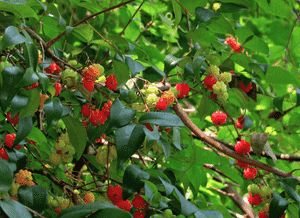
Surinam cherry (Eugenia uniflora)
Also known as: Cayenne cherry, Pitanga
Surinam cherries (Eugenia uniflora) are safe to eat when they turn a deep red or dark purple. Be sure to avoid consuming the seeds. These cherries are often grown as ornamental plants in various regions, either as shrubs or trees.
Attributes of Surinam cherry
Images of Surinam cherry
Quickly Identify Surinam cherry
Scientific Classification of Surinam cherry
Planting and Growing of Surinam cherry
 How to Water Surinam cherry?
 What Are the Sunlight Requirements for Surinam cherry?
 What Is the Ideal Temperature Range for Surinam cherry?
 What Soil is Best for Surinam cherry?
 How to Fertilize Surinam cherry?
 How to Prune Surinam cherry?
 How to Propagate Surinam cherry plant?
 How to Repot Surinam cherry plant?
Toxicity of Surinam cherry
Is Surinam cherry toxic to cat?
Surinam cherry, widely referred to as Surinam cherry, poses a moderate toxicity risk to cats, primarily through ingestion. The main concern is associated with the seeds, which, if consumed, can lead to physical discomfort or illness in felines. While the exact toxic compounds are not clearly identified, cat owners must realize that eating these seeds can create a perilous situation for their pets. If a cat ingests any parts of the surinam cherry, it may display signs of unease. Owners noticing such distressing symptoms should promptly seek veterinary assistance to avert further health issues.
Is Surinam cherry toxic to dog?
The Surinam cherry plant species is recognized for its moderate toxicity level in dogs. Dogs are at risk of poisoning primarily through the ingestion of this plant. The most frequent poisoning incidents happen when a dog consumes the seeds, which are the toxic components of Surinam cherry. Following the ingestion of these seeds, dogs may show a range of symptoms associated with poisoning. It is vital for dog owners to closely observe their pets and remain vigilant for any signs of distress that may occur after exposure to Surinam cherry. If a dog exhibits symptoms such as vomiting, diarrhea, lethargy, or any other alarming changes in behavior or health after encountering Surinam cherry, it is essential to obtain immediate veterinary assistance. Timely treatment at a veterinary facility is critical for the health and recovery of the affected dog.



