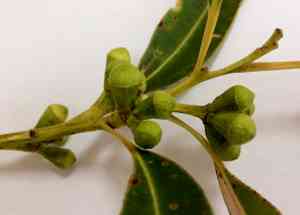
Sydney blue gum (Eucalyptus saligna)
Also known as: Sydney Blue Gum
The Sydney blue gum thrives in fertile valleys, high slopes, and ridges. Unfortunately, it faces threats from weeds and other environmental factors, making it an endangered species. This tree is crucial for forest animals such as red-triangle slugs, parrots, koalas, and flying foxes, providing them with vital food and habitat.
In This Article
Attributes of Sydney blue gum
Lifespan
Perennial
Plant Type
Tree
Plant Height
30 m to 65 m
Spread
10 m to 25 m
Leaf Color
Glossy green
Flower Size
1.2 cm to 1.9 cm
Flower Color
Cream White Pink
Images of Sydney blue gum

Quickly Identify Sydney blue gum
1
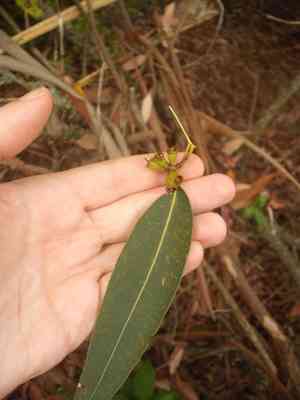
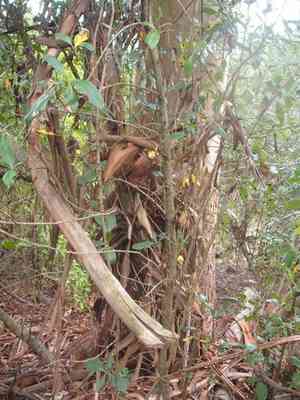
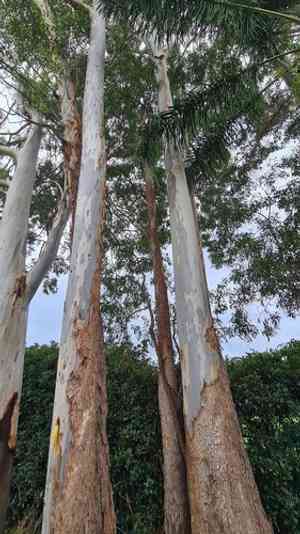
Identify Eucalyptus saligna by its smooth, mottled bark that peels in strips, its blue-grey color, and its lance-shaped leaves that are glossy green. The flowers are white and occur in clusters.
Scientific Classification of Sydney blue gum
Phylum
Vascular plants
Class
Dicotyledons
Order
Myrtales
Family
Myrtle
Genus
Eucalypts
Species
Sydney blue gum
Planting and Growing of Sydney blue gum
Care Difficulty
Easy
Watering Schedule
Every 2 days
Sunlight Requirements
Full sun
Sunshine Duration
6-10 hours
Ideal Temperature
50-86℉
Soil Type
Potting Mix, Peat Mix
Soil pH
5.5-6.5
Fertilizer Type
Balanced
Pruning Season
Spring, Summer
Pruning Area
Branches, Leaves
Pruning Frequency
2 times a year
Repotting Season
Spring
Pot Type
Plastic, Ceramic
 How to Water Sydney blue gum?
Eucalyptus saligna thrives with deep watering that allows the soil to stay moist but never waterlogged. Aim for about 1000 milliliters each time, penetrating into the soil deeply to reach the roots adequately.
What are the symptoms of an underwatered Sydney blue gum?
›
What should I do if my Sydney blue gum is not getting enough water?
›
What are the symptoms of an overwatered Sydney blue gum?
›
How to save an overwatered Sydney blue gum?
›
 What Are the Sunlight Requirements for Sydney blue gum?
Eucalyptus saligna prefers full sunlight but can adapt to partial sun conditions. Proper lighting ensures vigorous growth, boosting the plant's overall health and beauty.
More About Sunlight Requirements Techniques→
What is the ideal lighting condition for Eucalyptus saligna?
›
How can I ensure my plant receives optimal light?
›
What are the benefits of providing ideal lighting to Eucalyptus saligna?
›
 What Is the Ideal Temperature Range for Sydney blue gum?
Eucalyptus saligna thrives best within the temperature range of 50°F to 86°F. These temperatures align closely with the plant's natural habitat in warmer climate zones, ensuring optimal growth and health. Maintaining the plant within this range promotes vigorous growth, enhances photosynthesis, and contributes to its overall vitality. Deviations beyond this range may result in reduced growth rates and physiological stress.
 What Soil is Best for Sydney blue gum?
Eucalyptus saligna prefers well-drained soils that prevent waterlogging. This type of soil ensures that the roots receive adequate oxygen, promoting healthy growth and preventing root rot. While drainage is important, this species appreciates soil that can retain some moisture. This balance is crucial for supporting the tree's rapid growth and maintaining lush foliage. Rich, fertile soil provides the essential nutrients required for vigorous growth. Nutrient-rich soils support optimal photosynthesis and overall tree health, resulting in robust and resilient growth.
 How to Fertilize Sydney blue gum?
Eucalyptus saligna requires careful attention to fertilization to maintain its vigorous growth. For liquid fertilizers, use a concentration of 1/2 the recommended dose on the label per application to avoid over-fertilizing. When using slow-release fertilizers, apply approximately 50 grams per square meter annually to supply essential nutrients over a prolonged period.
 How to Prune Sydney blue gum?
Begin by removing any dead or diseased branches, cutting them back to the point of healthy growth. Make clean cuts to avoid tearing the bark, using sharp pruning shears. For shaping, focus on keeping the tree structurally sound, ensuring an even canopy that allows sunlight to reach the inner branches. The best time to prune Eucalyptus saligna is during the cooler months of spring, summer, and autumn, avoiding winter as it can stress the plant. Pruning during active growth periods ensures that the tree can swiftly heal from cuts and prevents shock.
More About Pruning Techniques→
 How to Propagate Sydney blue gum plant?
1
Start by collecting mature Eucalyptus saligna seeds from healthy plants. Soak the seeds in water for 24 hours to break the seed dormancy and encourage germination by softening the seed coat.
2
Sow the seeds in a seed tray with well-draining soil. Cover lightly with a thin layer of soil and water gently to maintain moisture until germination occurs. Place the tray in a well-lit area with indirect sunlight.
3
Select healthy stems from a mature plant, around 10-15 cm long. Make a clean cut just below a node using sterilized pruning shears. Remove the lower leaves to reduce transpiration and prepare for rooting.
 How to Repot Sydney blue gum plant?
1
Eucalyptus saligna displays several signs indicating it's time for repotting. Look for roots growing out of the drainage holes, or if the soil dries out rapidly after watering. Rapid top growth with leaves losing their vibrancy is also a tell-tale sign that the current pot is too small to support its growth.
2
Select a pot that is about 2 inches larger in diameter than the current one, with ample drainage holes. Terracotta pots are ideal as they allow excess moisture to evaporate, reducing the risk of root rot and keeping the root system healthy.
3
Opt for a well-draining, sandy loam soil mix to ensure proper drainage and aeration. This will provide Eucalyptus saligna with the conditions to thrive, as it mimics their native environment, preventing waterlogged roots and promoting robust growth.
Toxicity
Ingestion
WARNING
The judgment on toxicity and danger is for reference only. We DO NOT GUARANTEE any accuracy of such judgment. Therefore, you SHALL NOT rely on such judgment. It is IMPORTANT TO SEEK PROFESSIONAL ADVICE in advance when necessary.



