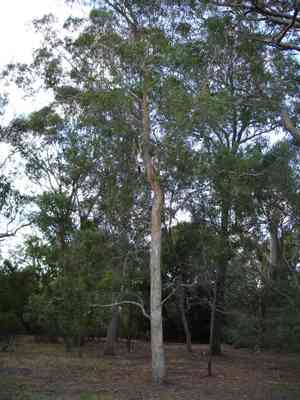
Western australian floodedgum (Eucalyptus rudis)
Also known as: Flooded gum
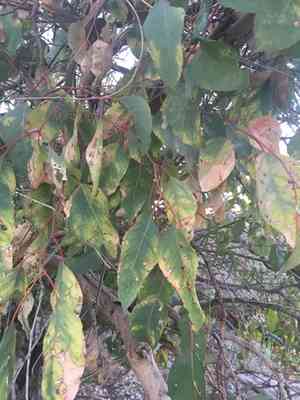
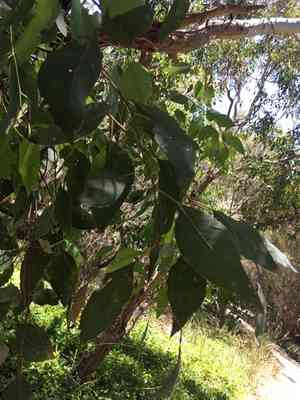
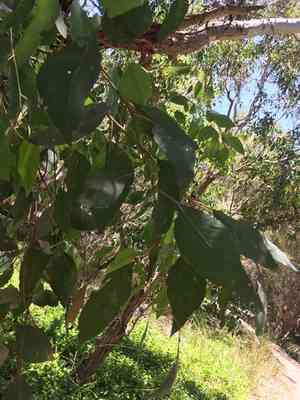
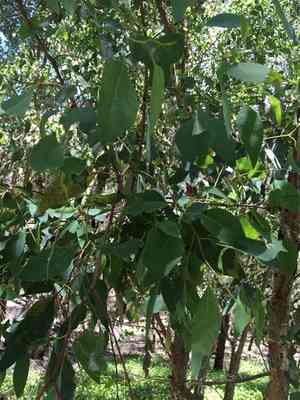
The Western Australian Flooded Gum, a hardy, medium-sized tree, is typically located in riparian areas and near temporary water sources. Its bark is characteristically fibrous and grey-brown, shedding in strips to expose a smoother, whitish or yellowish layer beneath. This tree, well-adapted to fluctuating conditions, features a dense canopy of lance-shaped, often drooping leaves that emit a unique herbal aroma when crushed. It flourishes in its native Australian environment, thanks to its resilience against periodic flooding and drought.
In This Article
Attributes of Western australian floodedgum
Lifespan
Perennial
Plant Type
Tree
Plant Height
10-25 meters
Spread
5-10 meters
Leaf Color
Green
Flower Size
0.5-1 cm
Flower Color
White to cream
Images of Western australian floodedgum
Quickly Identify Western australian floodedgum
1
To identify Eucalyptus rudis, look for its distinctive rough, fibrous bark and lance-shaped leaves. The bark typically sheds in ribbons and the leaves have a distinct, aromatic eucalyptus scent. It also features white or cream-colored flowers in clusters.
Scientific Classification of Western australian floodedgum
Phylum
Vascular plants
Class
Dicotyledons
Order
Myrtales
Family
Myrtle
Genus
Eucalypts
Species
Western australian floodedgum
Planting and Growing of Western australian floodedgum
Care Difficulty
Moderate
Watering Schedule
Every 2 days
Sunlight Requirements
Full sun
Sunshine Duration
4-8 hours
Ideal Temperature
60-77℉
Soil Type
Potting Mix, Peat Mix
Soil pH
6-8
Fertilizer Type
Balanced
Pruning Season
Spring, Summer
Pruning Area
Branches, Leaves
Pruning Frequency
2 times a year
Repotting Season
Spring
Pot Type
Plastic, Ceramic
 How to Water Western australian floodedgum?
Eucalyptus rudis thrives best when the soil is allowed to dry slightly between waterings. When watering, ensure that the soil is thoroughly moistened but not waterlogged. Ideally, you should apply enough water to reach a depth of 20-30 cm within the soil.
What are the symptoms of an underwatered Western australian floodedgum?
›
What should I do if my Western australian floodedgum is not getting enough water?
›
What are the symptoms of an overwatered Western australian floodedgum?
›
How to save an overwatered Western australian floodedgum?
›
 What Are the Sunlight Requirements for Western australian floodedgum?
Eucalyptus rudis thrives under full to partial sun, ideally receiving six to eight hours of light. This range supports robust growth and healthy foliage.
Question: What is the ideal lighting for Eucalyptus rudis?
›
Solution: How can I ensure my plant gets ideal lighting?
›
Effect: What are the benefits of ideal lighting?
›
 What Is the Ideal Temperature Range for Western australian floodedgum?
Eucalyptus rudis thrives best in temperatures between 60°F and 77°F. This range supports optimal growth and metabolic activity, ensuring the plant remains healthy and robust. Maintaining such temperatures helps in efficient photosynthesis and nutrient absorption, which are crucial for the plant's growth and vitality.
 What Soil is Best for Western australian floodedgum?
Eucalyptus rudis requires soil with excellent drainage to prevent root rot and other water-related issues. Well-drained soil ensures roots get enough oxygen and promotes healthy growth by preventing water stagnation. This species benefits from soil that offers a good amount of organic matter, providing essential nutrients. Such soil promotes vigorous growth and enhances the tree's natural resilience to pests and diseases. Eucalyptus rudis prefers soils that are slightly acidic to neutral. Maintaining the right pH level is crucial as it affects nutrient uptake, ensuring that the plant has access to all necessary minerals for healthy development.
 How to Fertilize Western australian floodedgum?
For Eucalyptus rudis, use a balanced fertilizer at half the recommended strength. Liquid fertilizer should be diluted to avoid root burn. Apply granules lightly, ensuring it doesn’t touch the stem directly.
 How to Prune Western australian floodedgum?
Start by removing any dead, diseased, or damaged branches. Identify any branches that cross each other and remove the weaker one. Trim any shoots growing from the base and prune branches to maintain the tree's natural shape, ensuring proper spacing between major branches. Monitor the tree for signs of stress or disease following pruning. Water consistently but avoid overwatering, especially in heavy clay soils. Mulch around the tree base to maintain soil moisture and regulate temperature.
 How to Propagate Western australian floodedgum plant?
1
Use a well-draining seed mix and fill the seed trays to about three-quarters full. Lightly water the soil to ensure moisture is evenly distributed, which is crucial for seed germination.
2
Scatter the Eucalyptus rudis seeds on the surface of the soil. Please do not bury them too deep, as they require light to germinate. Lightly press the seeds into the soil and mist with water.
3
Select healthy stems that are semi-mature for cuttings. Cut just below a node, using clean, sharp shears to avoid damaging the plant tissue, which could result in poor root development.
 How to Repot Western australian floodedgum plant?
1
Eucalyptus rudis typically needs repotting when you notice roots growing through the drainage holes, or if water sits on the soil surface for too long. These are signs the plant is root-bound and requires more space to grow. It's best to choose spring or early summer when the plant is in its active growth phase for easier adaptation.
2
Select a new pot that is one size larger than the previous one and has ample drainage holes. A slightly larger pot ensures that your Eucalyptus rudis has enough space to grow without excessive soil, preventing root rot. Clay pots are a good choice as they allow moisture to evaporate, reducing the risk of overwatering.
3
Use a well-draining potting mix, ideally one designed for eucalyptus or similar plants. This type of soil will help prevent waterlogging, which can lead to root rot. A mix enriched with sand or perlite will improve drainage, mimicking the plant's natural habitat conditions.



