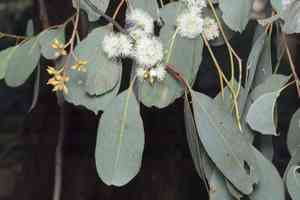
Red box (Eucalyptus polyanthemos)
Also known as: Redbox gum
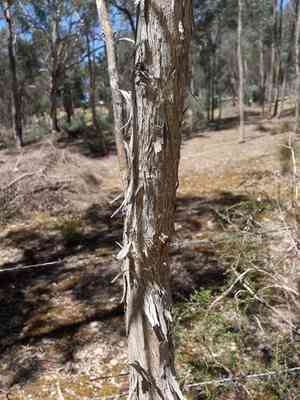
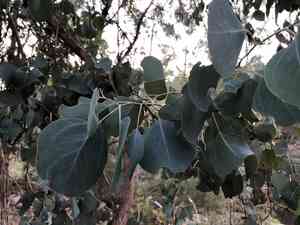
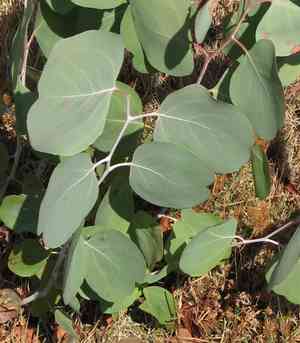
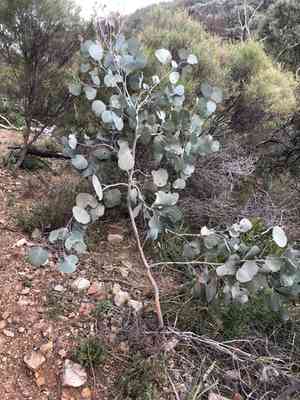
The Red Box (Eucalyptus polyanthemos) is an evergreen tree native to southeastern Australia, typically growing between 10 and 25 meters in height. It features round to lance-shaped, grey-green leaves, with juvenile leaves being more rounded and blue-green. The tree's trunk and branches are covered with rough, fibrous bark.
### Key Characteristics:
- **Height**: Reaches 10-25 meters.
- **Leaves**: Juvenile leaves are round and blue-green; adult leaves are lance-shaped and grey-green.
- **Bark**: Rough and fibrous.
- **Flowers**: Small white to cream-colored clusters, blooming in late winter to spring.
- **Fragrance**: The foliage is aromatic.
### Growing Conditions:
- **Soil**: Prefers well-drained soils, adaptable to clay, loam, and other soil types.
- **Light**: Best in full sun but can tolerate partial shade.
- **Water**: Drought-tolerant once established; occasional watering is beneficial during long dry spells.
- **Climate**: Suitable for temperate climates; endures light frost.
- **Propagation**: Commonly grown from seeds.
This tree is often used in landscaping and reforestation due to its attractive appearance and adaptability.
Attributes of Red box
Images of Red box
Quickly Identify Red box
Scientific Classification of Red box
Planting and Growing of Red box
 How to Water Red box?
 What Are the Sunlight Requirements for Red box?
 What Is the Ideal Temperature Range for Red box?
 What Soil is Best for Red box?
 How to Fertilize Red box?
 How to Prune Red box?
 How to Propagate Red box plant?
 How to Repot Red box plant?
Toxicity of Red box
Is Red box toxic to humans?
The Red box has a low level of toxicity to humans, mainly due to the accidental ingestion of its essential oil. The essential oil, identified as the toxic component of the plant, may result in poisoning if ingested. After consumption, individuals might face various symptoms, including gastrointestinal issues like nausea, vomiting, and diarrhea. Furthermore, central nervous system effects such as dizziness and confusion may also occur. It is crucial for people to recognize these potential hazards, particularly when interacting with the plant, to avoid unintended poisoning.
Is Red box toxic to cat?
The red box presents a mild toxic risk to felines. Cats may unintentionally consume portions of the plant that have essential oils, which can result in poisoning. Cats that are affected may show signs that suggest physical unease or illness. Should exposure occur alongside these symptoms, it is crucial to obtain immediate veterinary assistance to ensure the cat receives appropriate treatment.
Is Red box toxic to dog?
The plant species known as red box is recognized for its mild toxicity towards dogs. Dogs may suffer from poisoning due to accidental consumption of this plant. The toxic components of red box are its essential oils, which can result in a variety of symptoms that signify poisoning when ingested. Dog owners should remain alert for indicators such as vomiting, diarrhea, weakness, or any abnormal behavior that might imply their pet has consumed a portion of the plant. If a dog shows signs of poisoning following possible exposure to red box, it is essential for the owner to seek prompt veterinary attention to ensure the best possible outcome for their pet.



