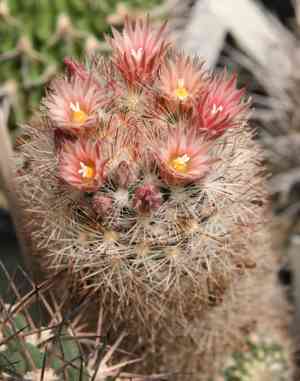
Whitecolumn foxtail cactus (Escobaria tuberculosa)
Also known as: Butt Cactus
The Whitecolumn foxtail cactus (Escobaria albicolumnaria) is a compact, globular cactus known for its eye-catching clustered growth. Its surface features prominent tubercles, enhancing its textured look which helps in water retention and sunlight reflection, crucial for survival in arid regions. This cactus produces white to pinkish flowers, providing a splash of color to its typically harsh surroundings.
In This Article
Attributes of Whitecolumn foxtail cactus
Lifespan
Perennial
Plant Type
Succulent
Plant Height
0 mm to 30 cm
Spread
1-2 inches (2.5-5 cm)
Leaf Color
N/A (Cacti do not have typical leaves; they have spines)
Flower Size
0.8-1 inches (2-2.5 cm)
Flower Color
Pink, Light Purple with a White Throat
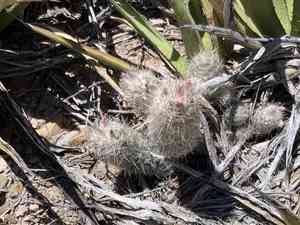
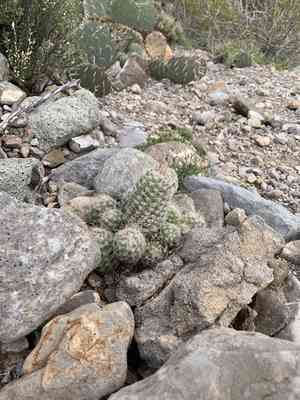
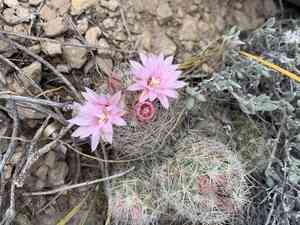
Images of Whitecolumn foxtail cactus

Quickly Identify Whitecolumn foxtail cactus
1
Escobaria tuberculosa has small, round, and clumping forms with tubercles that are arranged spirally. Flowers are typically pinkish or purple with a white throat, appearing at the top of the plant.
Scientific Classification of Whitecolumn foxtail cactus
Phylum
Vascular plants
Class
Dicotyledons
Order
Caryophyllales
Family
Cactuses
Genus
Foxtail cactus
Species
Whitecolumn foxtail cactus
Planting and Growing of Whitecolumn foxtail cactus
Care Difficulty
Moderate
Watering Schedule
Every day
Sunlight Requirements
Full sun
Sunshine Duration
6-8 hours
Ideal Temperature
65-80℉
Soil Type
Potting Mix, Peat Mix
Soil pH
6.5-7.5
Fertilizer Type
Balanced
Pruning Season
Spring, Summer
Pruning Area
Branches, Leaves
Pruning Frequency
2 times a year
Repotting Season
Spring
Pot Type
Plastic, Ceramic
 How to Water Whitecolumn foxtail cactus?
Escobaria tuberculosa requires careful watering. It's best to water the soil thoroughly, ensuring complete saturation without excess. The goal is to provide about 150 ml of water each time, paying close attention to avoid waterlogging, as excess moisture can lead to root rot in this cactus species.
What are the symptoms of an underwatered Whitecolumn foxtail cactus?
›
What should I do if my Whitecolumn foxtail cactus is not getting enough water?
›
What are the symptoms of an overwatered Whitecolumn foxtail cactus?
›
How to save an overwatered Whitecolumn foxtail cactus?
›
 What Are the Sunlight Requirements for Whitecolumn foxtail cactus?
This plant favors full sunlight throughout the day for optimal growth and flowering, resulting in vibrant health and a robust structure.
What is the best light condition?
›
Why does this plant need full sun?
›
How do I implement full sun conditions?
›
 What Is the Ideal Temperature Range for Whitecolumn foxtail cactus?
Escobaria tuberculosa thrives best in a temperature range of 65°F to 80°F. These temperatures closely mimic their native habitat conditions and promote optimal photosynthesis and metabolic activities, leading to healthy growth and flowering.
 What Soil is Best for Whitecolumn foxtail cactus?
Escobaria tuberculosa thrives in well-draining soil to prevent root rot. Good drainage allows excess water to escape, essential for this cactus, especially in its natural desert habitat. This cactus prefers nutrient-poor soil, mimicking its natural environment. Excess nutrients can lead to soft, weak growth or even disease, so minimal fertilization is recommended. Low organic matter in soil is ideal for Escobaria tuberculosa, reducing the risk of fungal infections. Avoid peat-based mixes, which retain moisture and break down into organic products.
 How to Fertilize Whitecolumn foxtail cactus?
When fertilizing Escobaria tuberculosa, it is important to ensure that you do not overdo it. Use a diluted solution of a balanced 10-10-10 or a 20-20-20 liquid fertilizer at half strength for liquid fertilizer applications. For slow-release fertilizers, use around 1/4 to 1/2 teaspoon per plant, ensuring it is spread evenly around the base.
 How to Prune Whitecolumn foxtail cactus?
Be mindful not to remove too much of the plant at once. Over-pruning can stress the cactus, slowing its growth and potentially inviting pests.
More About Pruning Techniques→
 How to Propagate Whitecolumn foxtail cactus plant?
1
Begin by filling seed trays with a well-draining cactus potting mix. Sow the Escobaria tuberculosa seeds on the surface and lightly cover them with a fine layer of soil. Water gently and place in a bright, warm location to encourage germination over a few weeks.
2
Select healthy segments from the mother plant using sterilized tools. Allow the cut ends to dry and callus for a few days to prevent rot. Once callused, plant the cuttings in a cactus mix, water sparingly, and position them in indirect sunlight.
3
Carefully separate offshoots from the main plant during late spring or early summer. Use clean, sharp tools to ensure a healthy cut. Each division should have its own roots to ensure successful transplantation into new pots with cactus potting soil.
 How to Repot Whitecolumn foxtail cactus plant?
1
Repotting Escobaria tuberculosa is necessary when roots are visibly growing through the drainage holes, the plant appears top-heavy or unstable, or the soil is compacted and hinders drainage. These signs typically indicate the need for fresh soil and a larger pot to support healthy growth.
2
Select a pot that is slightly larger than the current one, with adequate drainage holes to prevent water buildup. Terra cotta pots can be beneficial as they allow moisture to evaporate, reducing the risk of root rot. The new pot should provide ample space for roots to grow, contributing to the plant's stability and health.
3
Opt for a well-draining cactus mix to prevent water retention, which can lead to root rot. This type of soil usually contains sand or perlite, providing the necessary drainage while retaining enough moisture for the roots. Good soil ensures healthy growth and prevents common cactus ailments.



