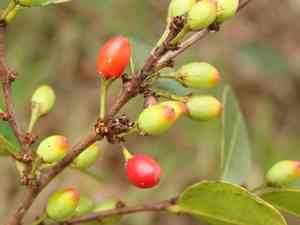
Coca (Erythroxylum) (Erythroxylum)
Also known as: Coca plant, Coca, Cuca
*Erythroxylum* is a genus of tropical flowering plants belonging to the family Erythroxylaceae, comprising around 200 species.
In This Article
Attributes of Coca (Erythroxylum)
Lifespan
Perennial
Plant Height
1-3 meters (3-10 feet)
Spread
Variable, often up to 1.5 meters (5 feet)
Leaf Color
Bright green
Flower Size
0.5-1 cm
Flower Color
Yellowish-white
Images of Coca (Erythroxylum)
Quickly Identify Coca (Erythroxylum)
1
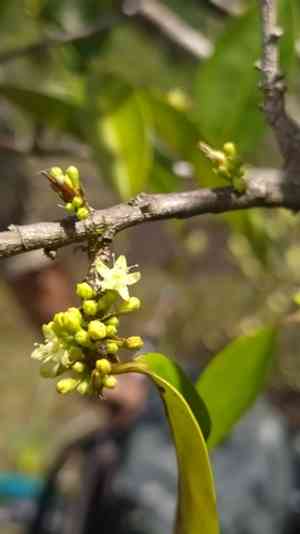
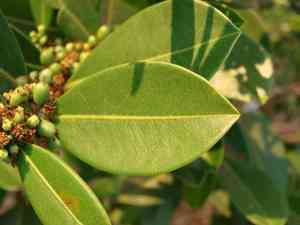
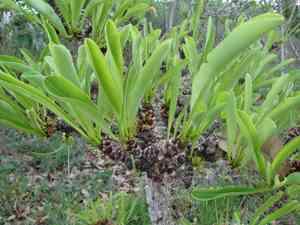
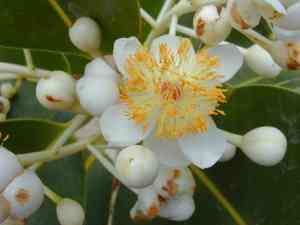
Recognizing Erythroxylum involves noting its small, slender leaves which are elliptic to lanceolate in shape, their bright green color, and the small, yellowish-white flowers that it produces.
Scientific Classification of Coca (Erythroxylum)
Phylum
Magnoliophyta
Class
Magnoliopsida
Order
Malpighiales
Family
Erythroxylaceae
Genus
Erythroxylum
Planting and Growing of Coca (Erythroxylum)
Care Difficulty
Moderate
Watering Schedule
Every 3 days
Sunlight Requirements
Partial sun
Sunshine Duration
4-8 hours
Ideal Temperature
68-86℉
Soil Type
Potting Mix, Peat Mix
Soil pH
6.5-7.5
Fertilizer Type
Balanced
Pruning Season
Spring, Summer
Pruning Area
Branches, Leaves
Pruning Frequency
2 times a year
Repotting Season
Spring
Pot Type
Plastic, Ceramic
 How to Water Coca (Erythroxylum)?
When watering Erythroxylum, aim for about 250 ml per session, ensuring the soil is moist but not waterlogged. This ensures your plant's roots can absorb adequate moisture without the risk of drowning or rot, which is crucial for their health and vitality.
What are the symptoms of an underwatered Coca (Erythroxylum)?
›
What should I do if my Coca (Erythroxylum) is not getting enough water?
›
What are the symptoms of an overwatered Coca (Erythroxylum)?
›
How to save an overwatered Coca (Erythroxylum)?
›
 What Are the Sunlight Requirements for Coca (Erythroxylum)?
Erythroxylum thrives in partial sun where it receives 4 to 6 hours of sunlight daily. Such conditions optimize photosynthesis, promoting lush growth, vibrant foliage, and improved flowering potential.
What are the optimal lighting solutions for Erythroxylum?
›
How to implement lighting solutions practically?
›
What are the benefits of providing ideal lighting to Erythroxylum?
›
 What Is the Ideal Temperature Range for Coca (Erythroxylum)?
The ideal temperature range for Erythroxylum species is between 68°F to 86°F. This range provides optimal conditions for growth, promoting healthy leaf development and maximizing photosynthesis. It is crucial to maintain consistent warmth within this range to prevent temperature stress on the plant.
 What Soil is Best for Coca (Erythroxylum)?
Erythroxylum requires well-draining soil to prevent waterlogging, which can lead to root rot. This type of soil ensures the roots get adequate air supply. The plant thrives in moderately fertile soil, providing necessary nutrients without overloading the system. This helps in balanced growth and healthy foliage. A soil that retains sufficient moisture without being overly wet supports consistent hydration, which is crucial for the plant's development and resilience against drought.
 How to Fertilize Coca (Erythroxylum)?
When fertilizing Erythroxylum, use a balanced liquid fertilizer at a concentration of half the recommended strength on the package. This prevents nutrient burn and provides a gentle boost to the plant’s nutritional needs without overwhelming it. It’s crucial to ensure the soil is moist before applying any fertilizer to avoid root burn.
 How to Prune Coca (Erythroxylum)?
Before starting the pruning process, gather the necessary tools such as sharp pruning shears, gloves, and disinfectant. Sharp tools ensure clean cuts that promote faster healing, while wearing gloves protects you from any irritants. Inspect the plant for any dead, diseased, or damaged branches. These should be the first to go as they can impede the plant's growth and spread disease. Cut them back to the base, making clean cuts to encourage healthy growth. Erythroxylum benefits from regular shaping to maintain a pleasing silhouette. Focus on removing long, wayward branches that disrupt the overall shape, helping to improve air circulation within the foliage. Look for areas where branches are crossing or congested. Thinning these spots will ensure that sunlight can reach the interior leaves, promoting even growth and reducing the risk of fungal diseases.
 How to Propagate Coca (Erythroxylum) plant?
1
Before planting, soak seeds in lukewarm water for 24 hours to enhance germination. This helps to soften the seed coat, making it easier for the seedling to emerge.
2
Select a healthy branch of around 10-15 cm long. Ensure it has at least two nodes, where roots are likely to develop.
3
Plant seeds at an appropriate depth and provide consistent watering. Keep trays in a warm place with indirect sunlight until germination occurs.
 How to Repot Coca (Erythroxylum) plant?
1
You should consider repotting Erythroxylum when the plant shows signs of being root bound, such as roots growing through drainage holes, or when the soil seems compacted and waterlogged. Additionally, if you notice the plant isn't thriving as it used to, these are signals to refresh its environment by repotting.
2
Select a pot that is 1-2 sizes larger than the current one, with sufficient drainage holes. A well-sized pot provides ample space for root growth and prevents water retention issues that could lead to root rot. Choosing the proper pot promotes healthy growth and enhances overall plant stability.
3
Opt for a well-draining potting mix tailored for tropical plants. Such soil allows for adequate aeration and prevents water from pooling at the roots, reducing the risk of root rot. A good quality mix often includes components like perlite or sand to achieve these benefits.
Toxicity
Ingestion
WARNING
The judgment on toxicity and danger is for reference only. We DO NOT GUARANTEE any accuracy of such judgment. Therefore, you SHALL NOT rely on such judgment. It is IMPORTANT TO SEEK PROFESSIONAL ADVICE in advance when necessary.
Learn More About Coca (Erythroxylum) Diseases
Anthracnose
Bacterial Leaf Spot
Bacterial Soft Rot
Bacterial Wilt
Black Spot
Chemical Injury
Crown Gall
Cyst Nematode
Damping-off
Downy Mildew
Drought Stress
Fusarium Wilt
Gray Mold
Leaf Curl
Leaf Spot
Mosaic
Nutrient Deficiency
Nutrient Toxicity
Powdery Mildew
Root Rot
Root-knot Nematode
Rusts
Sooty Mold
Spider Mites
Temperature Stress
Thrips Damage
White Mold

