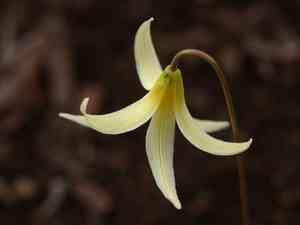
Giant White Fawn lily (Erythronium oregonum)
Also known as: Giant Adder's-Tongue, White Fawn-Lily
The Giant White Fawn Lily, also known as trout lily or simply fawn lily, is a delicate perennial that emerges from a bulb. This lovely wildflower, which goes dormant by summer, features nodding flowers due to its downward-facing sepals.
In This Article
Attributes of Giant White Fawn lily
Lifespan
Perennial
Plant Type
Herb
Plant Height
15 cm to 41 cm
Spread
10 cm
Leaf Color
Green Brown
Flower Size
2.5 cm
Flower Color
Cream White Yellow
Images of Giant White Fawn lily
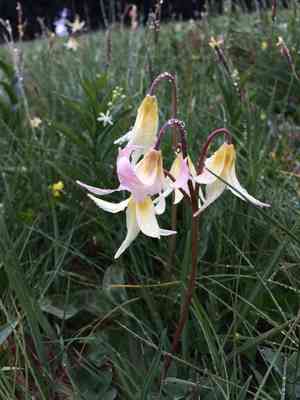
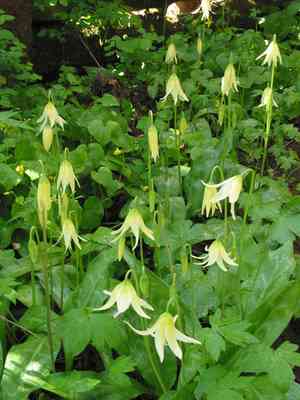

Quickly Identify Giant White Fawn lily
1
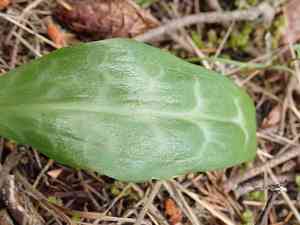
To identify Erythronium oregonum, look for its distinctive white, nodding flowers with recurved petals and a prominent yellow center. The leaves are mottled with brown or purple, and the plant generally grows in woodland and open meadows.
Scientific Classification of Giant White Fawn lily
Phylum
Vascular plants
Class
Monocotyledons
Order
Liliales
Family
Lily
Genus
Fawn lilies
Species
Giant White Fawn lily
Planting and Growing of Giant White Fawn lily
Care Difficulty
Easy
Watering Schedule
Every 2 days
Sunlight Requirements
Partial sun
Sunshine Duration
6-8 hours
Ideal Temperature
55-70℉
Soil Type
Potting Mix, Peat Mix
Soil pH
6.5-7.5
Fertilizer Type
Balanced
Pruning Season
Spring, Summer
Pruning Area
Branches, Leaves
Pruning Frequency
2 times a year
Repotting Season
Spring
Pot Type
Plastic, Ceramic
 How to Water Giant White Fawn lily?
Erythronium oregonum, commonly known as the Oregon fawn lily, requires a precise watering balance. Provide approximately 200 ml of water per session, allowing the soil to become moist but never waterlogged. Ensure the pot has proper drainage to prevent water accumulation.
What are the symptoms of an underwatered Giant White Fawn lily?
›
What should I do if my Giant White Fawn lily is not getting enough water?
›
What are the symptoms of an overwatered Giant White Fawn lily?
›
How to save an overwatered Giant White Fawn lily?
›
 What Are the Sunlight Requirements for Giant White Fawn lily?
Partial sun to full shade, ensuring the plant receives morning sun or dappled light during the day. Ideal lighting fosters rich foliage, vibrant flowers, and prevents heat stress.
More About Sunlight Requirements Techniques→
What type of light does Erythronium oregonum prefer?
›
How can you ensure Erythronium oregonum gets the ideal light exposure?
›
What are the benefits of providing ideal lighting for Erythronium oregonum?
›
 What Is the Ideal Temperature Range for Giant White Fawn lily?
The ideal temperature range for Erythronium oregonum lies between 55 and 70 degrees Fahrenheit. This range provides the optimum conditions for growth, ensuring that the metabolic processes and energy extraction occur at an efficient rate. Staying within this range promotes robust flowering and leaf development.
 What Soil is Best for Giant White Fawn lily?
Erythronium oregonum thrives in well-drained soil, ensuring that the roots do not sit in water and are less prone to rot. This type of soil allows for proper air circulation, maintaining healthy roots and promoting vibrant growth. The plant benefits from a humus-rich substrate, enriched with organic matter that nourishes its growth. Nutrient-rich soil supports the development of robust foliage and increases flowering potential. A balance between moisture retention and aeration is crucial. Soil that retains light moisture provides necessary hydration, while aeration avoids fungal diseases, supporting vigorous and healthy development.
 How to Fertilize Giant White Fawn lily?
For Erythronium oregonum, the fertilizer amount must be minimal. Use a diluted solution at half the recommended strength for liquid fertilizers, and a sparse sprinkle for granular ones to avoid nutrient overdose, ensuring balanced growth.
 How to Prune Giant White Fawn lily?
Once Erythronium oregonum has finished flowering and the foliage has started to yellow in late spring, it's time to prune. Use sharp, clean scissors or pruning shears to cut away dead leaves and stems at their base. This cleanup not only tidies the plant but also reduces the risk of pests and diseases that can thrive in decaying organic matter. To stimulate new growth, ensure that the surrounding area is clear of debris. After removing dead plant material, lightly loosen the soil around the bulb without disturbing it. This helps improve soil aeration and encourages the bulb to generate healthier shoots next season.
More About Pruning Techniques→
 How to Propagate Giant White Fawn lily plant?
1
Start by collecting seeds from mature Erythronium oregonum plants. Ensure that the seeds are ripe, which is usually late in the season before the plant goes dormant. Dry them completely before storage.
2
Prepare a well-draining soil mix to plant the seeds. Erythronium oregonum prefers soils that are rich in organic matter. Mix compost into the soil to improve its nutritional content.
3
Plant the seeds shallowly, about half an inch deep, and cover with a light layer of soil. Water the planted seeds gently to settle the soil and eliminate air pockets that might dry the seeds out.
 How to Repot Giant White Fawn lily plant?
1
Erythronium oregonum shows signs of needing repotting when its growth becomes stunted or when you notice roots growing out of the pot drainage holes. This typically happens every 2-3 years, usually in early spring when the plant is out of dormancy, making it the ideal time for repotting.
2
Selecting the right pot for Erythronium oregonum is crucial. Opt for a pot with excellent drainage holes to prevent waterlogging, which can lead to root rot. A pot that is only slightly larger than the current one will ensure the roots have just enough room to expand, reducing the chances of excessive, water-retentive soil.
3
Choosing the right soil is vital for the successful growth of Erythronium oregonum. A well-draining, acidic mix mimics its natural habitat, allowing for proper air circulation around the roots while retaining adequate moisture. This soil condition helps the plant thrive without the roots getting too wet and potentially rotting.
Learn More About Giant White Fawn lily Diseases
Anthracnose
Bacterial Leaf Spot
Bacterial Soft Rot
Bacterial Wilt
Crown Gall
Cyst Nematode
Damping-off
Downy Mildew
Fusarium Wilt
Gray Mold
Leaf Spot
Mosaic
Powdery Mildew
Root Rot
Root-knot Nematode
Rusts
Sooty Mold
White Mold
Chemical Injury
Drought Stress
Nutrient Deficiency
Nutrient Toxicity
Temperature Stress
Spider Mites
Thrips Damage



