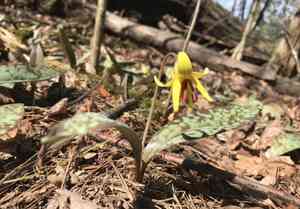
Yellow trout lily (Erythronium americanum)
Also known as: Yellow dog-tooth violet, Yellow adder's tongue
The yellow trout lily (Erythronium americanum) is a spring-blooming plant native to North American woodlands. Its common name comes from the leaf pattern, which looks similar to the markings found on trout.
Attributes of Yellow trout lily
Images of Yellow trout lily
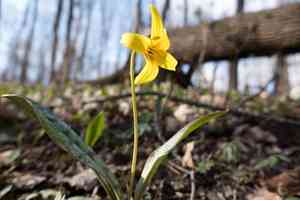
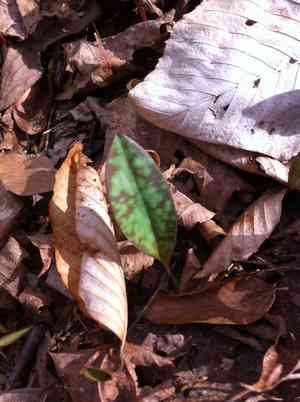
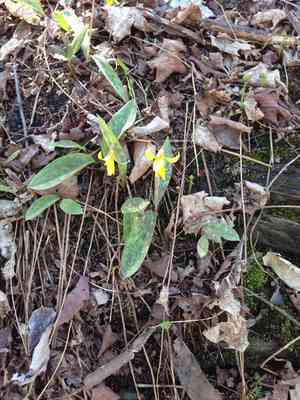
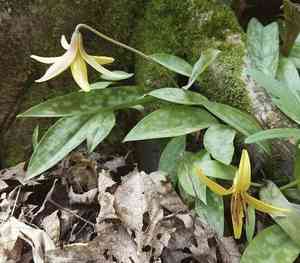
Quickly Identify Yellow trout lily
Scientific Classification of Yellow trout lily
Toxicity of Yellow trout lily
Is Yellow trout lily toxic to humans?
Although the precise status of the yellow trout lily remains somewhat ambiguous, it is widely regarded as a toxic species when either contacted or consumed. Generally, it tends to elicit only mild symptoms in individuals who may be particularly sensitive. The bulb is commonly identified as the most poisonous portion, yet other areas of the plant can also trigger adverse effects. For certain individuals, merely touching the plant may lead to dermatitis and skin irritation. Consuming the plant may potentially cause gastrointestinal distress and vomiting. It is advisable to wear gloves while gardening with these plants, especially when dealing with the bulbs.
Is Yellow trout lily toxic to cat?
The yellow trout lily poses a toxicity risk to cats, particularly when they inadvertently consume the plant's bulb. If a cat eats any part of the yellow trout lily, it might show signs of physical distress or sickness. Therefore, it is essential for cat owners to recognize the presence of this plant in their surroundings and take precautions to avert accidental consumption. If a cat exhibits any changes in health after being near the yellow trout lily, it is critical to obtain prompt veterinary assistance to ensure appropriate treatment and reduce possible health hazards related to the toxin of this plant.
Is Yellow trout lily toxic to dog?
The yellow trout lily is recognized as toxic to dogs. If ingested, dogs can suffer from poisoning, often occurring when they accidentally consume this plant. The bulb is the most problematic part of the plant, as it is the one that frequently causes poisoning upon ingestion. After consuming yellow trout lily, a dog may show a range of symptoms that suggest poisoning has occurred. It is crucial for pet owners to keep a close watch on their dogs and ensure that they cannot access yellow trout lily to prevent any accidental consumption. In the event that a dog eats any part of the yellow trout lily, it is imperative to obtain immediate veterinary assistance since timely treatment can be essential in effectively addressing the poisoning.

