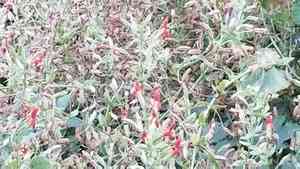
Scarlet Monkey Flower (Erythranthe cardinalis)
Also known as: Crimson Monkeyflower
The Scarlet Monkey Flower (Erythranthe cardinalis) is a perennial herb that reaches heights of 30 to 91 cm. It features vivid red or orange flowers that bloom from spring through fall, attracting hummingbirds, butterflies, and bees with their nectar. This plant is commonly found in wetlands, stream banks, and other moist habitats. While it thrives in partial shade, it can also tolerate full sun. The Scarlet Monkey Flower is native to the western regions of North America.
In This Article
Attributes of Scarlet Monkey Flower
Lifespan
Perennial
Plant Type
Herb
Plant Height
60 cm
Spread
45 cm
Leaf Color
Green
Flower Size
3-5 cm (1-2 inches)
Flower Color
Red Orange
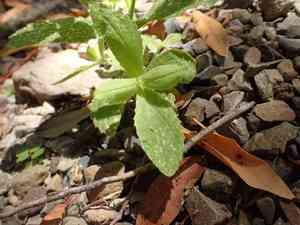
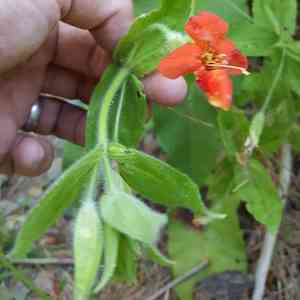
Images of Scarlet Monkey Flower


Quickly Identify Scarlet Monkey Flower
1
Identify Erythranthe cardinalis by its bright red, tubular flowers, soft hairy leaves, and a preference for moist, riparian habitats. The flowers have two lips, with the upper lip divided into two lobes and the lower lip into three lobes.
Scientific Classification of Scarlet Monkey Flower
Phylum
Vascular plants
Class
Dicotyledons
Order
Lamiales
Family
Lopseed
Genus
Monkey-flowers
Species
Scarlet Monkey Flower
Planting and Growing of Scarlet Monkey Flower
Care Difficulty
Easy
Watering Schedule
Every 6 days
Sunlight Requirements
Full sun
Sunshine Duration
4-8 hours
Ideal Temperature
60-75℉
Soil Type
Potting Mix, Peat Mix
Soil pH
6.5-7.5
Fertilizer Type
Balanced
Pruning Season
Spring, Summer
Pruning Area
Branches, Leaves
Pruning Frequency
2 times a year
Repotting Season
Spring
Pot Type
Plastic, Ceramic
 How to Water Scarlet Monkey Flower?
Erythranthe cardinalis, commonly known as the scarlet monkeyflower, requires a moderate watering approach. Ensure that the soil remains consistently moist, akin to a damp sponge, avoiding dryness or waterlogging.
What are the symptoms of an underwatered Scarlet Monkey Flower?
›
What should I do if my Scarlet Monkey Flower is not getting enough water?
›
What are the symptoms of an overwatered Scarlet Monkey Flower?
›
How to save an overwatered Scarlet Monkey Flower?
›
 What Are the Sunlight Requirements for Scarlet Monkey Flower?
Ideally, Erythranthe cardinalis should receive four to six hours of sunlight daily. This light balance promotes full, vibrant blooms and healthy foliage, facilitating optimal energy capture and nutrient processing for resilience and vitality.
More About Sunlight Requirements Techniques→
What is the ideal sunlight condition for Erythranthe cardinalis?
›
How can I ensure Erythranthe cardinalis gets the right sunlight?
›
What are the benefits of providing ideal sunlight to Erythranthe cardinalis?
›
 What Is the Ideal Temperature Range for Scarlet Monkey Flower?
For Erythranthe cardinalis, the ideal temperature range is between 60°F and 75°F. This range provides the necessary warmth for photosynthesis and overall growth, while avoiding stress caused by excessive heat or cold.
 What Soil is Best for Scarlet Monkey Flower?
Erythranthe cardinalis thrives in soil that retains moisture well, ensuring it receives adequate hydration during dry spells. This characteristic helps in maintaining its lush foliage and abundant blooms. Rich in organic matter, the soil should provide essential nutrients to support the plant's vigorous growth and blooming capacity. This nutrient density aids in producing vibrant red flowers that stand out in the landscape. Well-draining soil prevents waterlogging, which is crucial to avoid root rot. The right blend of sand and loam provides excellent drainage, ensuring healthy root development and longevity of the plant.
 How to Fertilize Scarlet Monkey Flower?
Erythranthe cardinalis, commonly known as the scarlet monkeyflower, thrives with balanced micronutrients. It's best to use a diluted solution of liquid fertilizer, following a mix of one tablespoon per gallon of water. With slow-release fertilizers, apply a balanced 10-10-10 formula, using about one tablespoon per plant, integrating it into the top few inches of soil.
 How to Prune Scarlet Monkey Flower?
Begin by removing any brown or withered leaves and dead stems. These parts can harbor pests and diseases that may spread. Regularly removing these sections helps keep the plant healthy and vibrant. To promote bushier growth, pinch back the stem tips. This encourages the plant to branch out and produce more flowers, resulting in a fuller, more attractive appearance. Maintain the natural shape of the Erythranthe cardinalis by trimming unruly stems. This not only enhances its aesthetic appeal but ensures sunlight penetrates the foliage evenly, supporting better growth. After pruning, supply the plant with adequate water and consider a balanced fertilizer to aid recovery and enhance blooming. Monitoring post-pruning health is crucial for robust development.
More About Pruning Techniques→
 How to Propagate Scarlet Monkey Flower plant?
1
Collect seeds from mature Erythranthe cardinalis plants at the end of their growing season. Clean the seeds to remove any debris and dry them to prevent molding during storage or planting.
2
Fill the seedling trays with a well-draining potting mix. Sprinkle seeds evenly over the surface, cover them lightly with soil, and water gently. Maintain a consistent moisture level until germination.
3
Select healthy shoots and cut stems around 4-6 inches long. Remove any leaves from the lower half and dip the cut end in rooting hormone before planting it in a pot with a moist growing medium.
 How to Repot Scarlet Monkey Flower plant?
1
The ideal time to repot Erythranthe cardinalis is when you notice roots beginning to circle the pot's bottom or the plant's growth has slowed significantly. Spring and summer offer the best conditions as the active growth period supports recovery from the stress of repotting.
2
Choose a pot that is one size larger than the current one, with adequate drainage holes. This helps prevent waterlogging, which can lead to root rot, while providing enough room for growth and preventing rootbound conditions.
3
Select a moist, well-draining potting mix to support healthy root development. A blend that retains moisture without becoming waterlogged helps mimic its natural habitat along stream banks, ensuring vibrant growth and flowering.
Learn More About Scarlet Monkey Flower Diseases
Anthracnose
Bacterial Leaf Spot
Bacterial Soft Rot
Bacterial Wilt
Black Spot
Chemical Injury
Crown Gall
Damping-off
Downy Mildew
Drought Stress
Fusarium Wilt
Gray Mold
Leaf Curl
Leaf Spot
Mosaic
Nutrient Deficiency
Nutrient Toxicity
Powdery Mildew
Root Rot
Root-knot Nematode
Rusts
Sooty Mold
Spider Mites
Temperature Stress
Thrips Damage
White Mold



