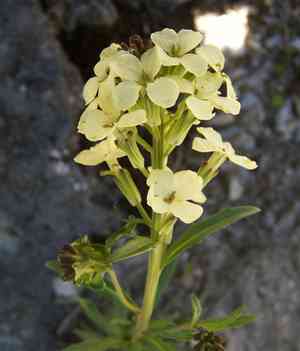
Wallflower (Erysimum) (Erysimum)
Also known as: Wallflower, Cheiranthus
Wallflowers, belonging to the genus Erysimum in the cabbage family, are notable for their ability to grow in cracks on stone or brick walls. These resilient plants often feature vibrant, pollinator-attracting flowers and are popular as ornamental choices. Wallflowers can adapt to a wide range of environments, making them suitable for temperate, subtropical, and tropical gardens.
In This Article
Attributes of Wallflower (Erysimum)
Lifespan
Biennial, Perennial
Plant Height
40 cm
Spread
30 cm
Leaf Color
Green
Flower Size
About 2-3 cm
Flower Color
Yellow, Orange, Purple, Red
Images of Wallflower (Erysimum)
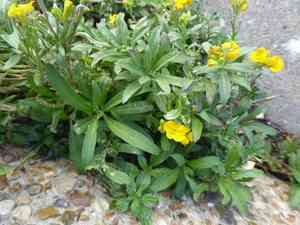

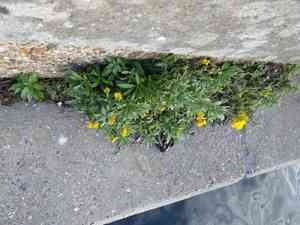
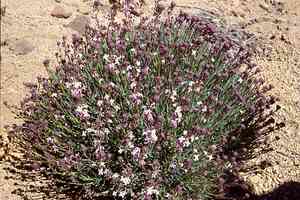
Quickly Identify Wallflower (Erysimum)
1
Erysimum can be identified by their lance-shaped leaves, stem that is typically woody near the base, and clusters of four-petaled flowers that come in a variety of colors including yellow, orange, and purple.
Scientific Classification of Wallflower (Erysimum)
Phylum
Magnoliophyta
Class
Magnoliopsida
Order
Brassicales
Family
Brassicaceae
Genus
Erysimum
Planting and Growing of Wallflower (Erysimum)
Care Difficulty
Easy
Watering Schedule
Every 4 days
Sunlight Requirements
Full sun
Sunshine Duration
4-6 hours
Ideal Temperature
60-75℉
Soil Type
Potting Mix, Peat Mix
Soil pH
6.5-7.5
Fertilizer Type
Balanced
Pruning Season
Spring, Summer
Pruning Area
Branches, Leaves
Pruning Frequency
2 times a year
Repotting Season
Spring
Pot Type
Plastic, Ceramic
 How to Water Wallflower (Erysimum)?
Erysimum prefers a moderate watering regimen where the soil is kept consistently moist but not waterlogged. You should aim to add about 250 ml of water per session, ensuring the liquid reaches the plant's roots without leaving excess water in the pot which could cause root rot.
What are the symptoms of an underwatered Wallflower (Erysimum)?
›
What should I do if my Wallflower (Erysimum) is not getting enough water?
›
What are the symptoms of an overwatered Wallflower (Erysimum)?
›
How to save an overwatered Wallflower (Erysimum)?
›
 What Are the Sunlight Requirements for Wallflower (Erysimum)?
Erysimum ideally prospers in full to partial sunlight. Ample light ensures optimal blossoming, and robust, healthy foliage, enhancing its ornamental appeal and resistance to pests and diseases.
What is the ideal amount of light for Erysimum?
›
How can I ensure my Erysimum is getting the right amount of light?
›
What benefits does Erysimum gain from optimal lighting?
›
 What Is the Ideal Temperature Range for Wallflower (Erysimum)?
Erysimum thrives best in temperatures ranging between 60°F and 75°F. In this range, the plant can photosynthesize effectively and maintain optimal metabolic activities, leading to robust growth and vibrant blooms.
 What Soil is Best for Wallflower (Erysimum)?
Erysimum thrives best in well-drained soil conditions, allowing roots to breathe and preventing waterlogging, which can lead to root rot. This requirement ensures strong, healthy plant growth with vibrant flowers. While Erysimum doesn't require highly fertile soil, moderate fertility is ideal for sustaining its growth and flowering. Overly rich soils can lead to lush foliage at the expense of blooms, so a balanced approach benefits the plant. Erysimum prefers a soil pH that is neutral to slightly alkaline. Maintaining this pH range helps with nutrient uptake, allowing the plant to access essential nutrients for vibrant, colorful displays.
 How to Fertilize Wallflower (Erysimum)?
For Erysimum, use a balanced liquid fertilizer diluted to half strength. During the growing season, apply approximately 1 tablespoon per plant. Over-fertilizing can lead to lush foliage but poor blooms, so be conservative with quantities.
 How to Prune Wallflower (Erysimum)?
Start by identifying the faded blooms on your Erysimum plants. These are often past their prime and can be removed to encourage new growth. Carefully pinch or snip off these blooms using clean, sharp pruning shears. Look for stems that have grown too long or are sprawling beyond the desired shape of the plant. Trim these back to maintain a neat and bushy appearance, ensuring you cut just above a leaf node to encourage branching. Inspect the plant closely and cut away any dead, diseased, or damaged stems. This not only improves the plant's appearance but also enhances air circulation, reducing the risk of diseases.
 How to Propagate Wallflower (Erysimum) plant?
1
Fill the seed tray with a light, well-draining seed compost. Slightly compact the soil to ensure it is firm but not overpacked. This provides a good foundation for the seeds to settle and germinate.
2
Scatter the Erysimum seeds thinly on the surface of the compost. Do not cover them with a thick layer of soil, as Erysimum seeds need light to germinate. A light dusting of soil or vermiculite may suffice.
3
Water the seeds gently using a spray bottle to avoid displacing them. Maintain a consistent moisture level in the compost but avoid waterlogging, which can cause rot. Keep the tray in a warm, bright location.
 How to Repot Wallflower (Erysimum) plant?
1
Erysimum shows signs it needs repotting when growth slows or roots protrude from drainage holes. These indicators suggest the plant is becoming root-bound, lacking space and nutrients for further development.
2
Choose a pot that is one size bigger than the current one with both adequate drainage holes and depth. This promotes healthy root expansion and prevents waterlogging, facilitating robust plant growth.
3
Use a well-draining soil mix enriched with loam or grit, ensuring it doesn't retain excess moisture. Such soil prevents root rot, simulating Erysimum's natural habitat and supporting optimal nutrition.
Toxicity
Ingestion
WARNING
The judgment on toxicity and danger is for reference only. We DO NOT GUARANTEE any accuracy of such judgment. Therefore, you SHALL NOT rely on such judgment. It is IMPORTANT TO SEEK PROFESSIONAL ADVICE in advance when necessary.
Learn More About Wallflower (Erysimum) Diseases
Anthracnose
Bacterial Leaf Spot
Bacterial Soft Rot
Clubroot
Crown Gall
Cyst Nematode
Damping-off
Downy Mildew
Drought Stress
Fusarium Wilt
Gray Mold
Leaf Spot
Mosaic
Nutrient Deficiency
Nutrient Toxicity
Powdery Mildew
Root Rot
Root-knot Nematode
Rusts
Sooty Mold
Spider Mites
Temperature Stress
Thrips Damage
White Mold

