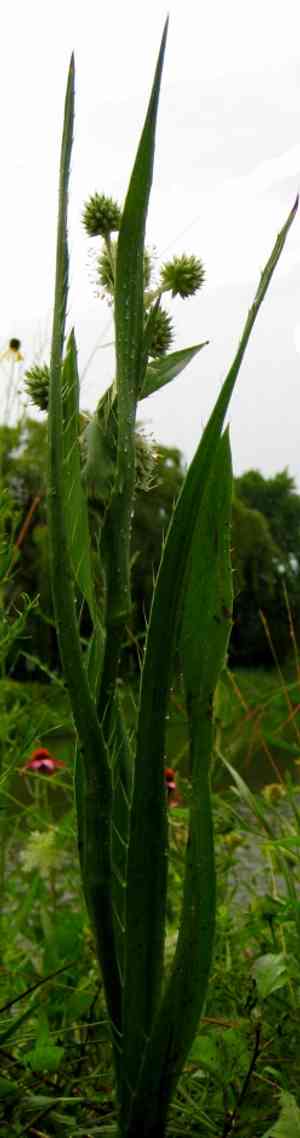
Rattlesnake master (Eryngium yuccifolium)
Also known as: Bear grass, Bear's grass
Butterfly Weed (Asclepias tuberosa) is a hardy perennial that thrives in sunny, well-drained locations. Known for its resilience to drought and ability to prevent soil erosion, this plant is also a favorite of Monarch butterflies, thanks to its nectar-rich orange blooms. Historically, it has been valued for its medicinal properties.
In This Article
Attributes of Rattlesnake master
Lifespan
Perennial
Plant Type
Herb
Plant Height
1.8 m
Spread
60 cm to 90 cm
Leaf Color
Silver Green Blue Gray
Flower Size
3 mm to 4 mm
Flower Color
White Green
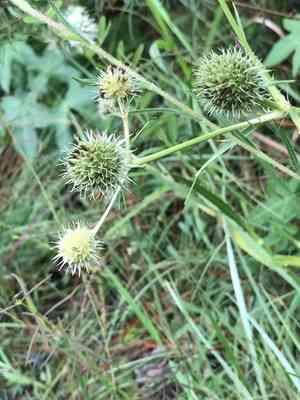
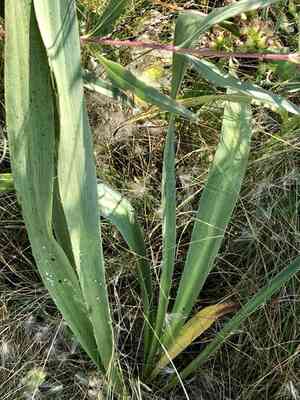
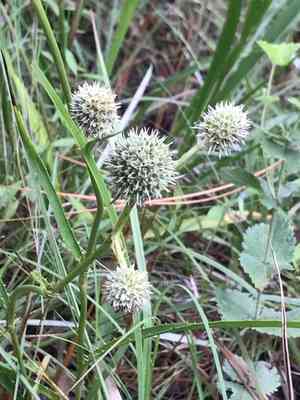
Images of Rattlesnake master
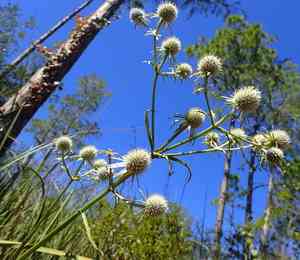
Quickly Identify Rattlesnake master
1
Statuesque perennial, 4-5 feet (122-152 cm) tall with soft, strap-like leaves resembling yucca plants.
2
Distinctive globular flower heads on stiff stems, greenish-white in color, contributing to architectural form.
3
Small, dry spherical to elongated schizocarps, 1/4 inch (0.6 cm) with rich brown color and rough texture.
4
Long, narrow leaves with parallel veins, spiny teeth, and medium green color resembling tulip leaves.
5
Opposite, sturdy stems growing 3-4 feet (90-120 cm) tall in rosette formation resembling a pitchfork.
Scientific Classification of Rattlesnake master
Phylum
Vascular plants
Class
Dicotyledons
Order
Apiales
Family
Umbellifers
Genus
Eryngos
Species
Rattlesnake master
Planting and Growing of Rattlesnake master
Care Difficulty
Easy
Watering Schedule
Every 2 days
Sunlight Requirements
Full sun
Sunshine Duration
4-8 hours
Ideal Temperature
60-75℉
Soil Type
Potting Mix, Peat Mix
Soil pH
6.5-7.5
Fertilizer Type
Balanced
Pruning Season
Spring, Summer
Pruning Area
Branches, Leaves
Pruning Frequency
2 times a year
Repotting Season
Spring
Pot Type
Plastic, Ceramic
 How to Water Rattlesnake master?
For Eryngium yuccifolium, water deeply but infrequently. This plant prefers its roots to dry out between watering sessions to mimic its natural environment. Aim for about 500 ml of water, ensuring that it penetrates deep into the soil but does not leave it soggy. It’s crucial to allow the top inch of the soil to dry out completely before the next watering session.
What are the symptoms of an underwatered Rattlesnake master?
›
What should I do if my Rattlesnake master is not getting enough water?
›
What are the symptoms of an overwatered Rattlesnake master?
›
How to save an overwatered Rattlesnake master?
›
 What Are the Sunlight Requirements for Rattlesnake master?
Eryngium yuccifolium thrives best under full sun to partial sun conditions. Ideal light exposure boosts its flower production and enhances its foliage color, ensuring a visually striking and healthy plant environment.
What is the best lighting for Eryngium yuccifolium?
›
How can I ensure optimal lighting indoors?
›
What are the benefits of ideal lighting conditions?
›
 What Is the Ideal Temperature Range for Rattlesnake master?
Eryngium yuccifolium thrives best between 60°F to 75°F. This temperature range ensures optimal metabolic function and growth. Temperatures within this range mimic the plant's native habitat, promoting healthy foliage and flowering.
 What Soil is Best for Rattlesnake master?
Eryngium yuccifolium thrives in well-drained soil, which is crucial for preventing root rot. Proper drainage allows excess water to escape, keeping the root system healthy and promoting strong plant growth. This plant prefers nutrient-rich soils that supply essential elements for robust growth. A fertile soil supports high energy needs, resulting in lush foliage and more vigorous flowering. The roots of Eryngium yuccifolium need air to thrive, so aerated soil structures allow oxygen to reach the roots efficiently. This aids in nutrient absorption and helps the plant withstand environmental stresses.
 How to Fertilize Rattlesnake master?
Eryngium yuccifolium requires a moderate amount of fertilizer. When applying liquid fertilizer, use a formula diluted to half strength, ensuring the soil is moist beforehand to prevent root burn. A small handful of a balanced slow-release fertilizer, like a 10-10-10 formula, is adequate per application time.
 How to Prune Rattlesnake master?
First, use a pair of sharp pruning shears to remove any dead or brown stalks close to the base. This helps the plant redirect its energy towards new growth and maintains its overall aesthetic. After flowering, the stems can start looking scraggly. Trim the flower stems down to a healthy rosette of leaves to keep the plant tidy and encourage future blooming. Thin out dense clusters by carefully cutting a few stalks at their base. This ensures that air circulates freely through the plant, reducing the risk of pests and disease.
 How to Propagate Rattlesnake master plant?
1
Collect seeds from mature plants in late summer or early autumn. Ensure that the seeds are dry and clean before storing them in a cool, dry place until ready to plant.
2
Prepare a well-draining soil mix in pots or seed trays. The soil should be slightly moist but not waterlogged, to prevent seed rot during germination.
3
Sow seeds lightly and cover them with a thin layer of soil. Water gently to ensure seeds remain in place and the soil stays moist, facilitating germination.
 How to Repot Rattlesnake master plant?
1
Eryngium yuccifolium should be repotted when roots start to protrude through the drainage holes or become root-bound. Another sign is a noticeable decrease in growth despite optimal care. Springtime, when the plant begins to show signs of new growth, offers the ideal opportunity to repot, as the plant is naturally gearing up for rejuvenation.
2
Choose a pot that's one size larger than the current pot, with adequate drainage to prevent waterlogging. The pot should ideally be made of a breathable material such as terracotta, promoting airflow and preventing the soil from becoming waterlogged. This ensures the plant roots develop a robust structure free of rot.
3
Select a well-draining, sandy soil mix that retains the right moisture level while allowing excess water to escape. Incorporating a mix with sand or grit helps in preventing soil compaction and ensures that the roots receive adequate air. This blend mimics the plant's natural habitat, thus encouraging healthy growth.
Learn More About Rattlesnake master Diseases
Anthracnose
Bacterial Leaf Spot
Bacterial Soft Rot
Chemical Injury
Crown Gall
Cyst Nematode
Damping-off
Downy Mildew
Drought Stress
Fusarium Wilt
Gray Mold
Leaf Spot
Mosaic
Nutrient Deficiency
Nutrient Toxicity
Powdery Mildew
Root Rot
Root-knot Nematode
Rusts
Sooty Mold
Spider Mites
Temperature Stress
Thrips Damage
White Mold



