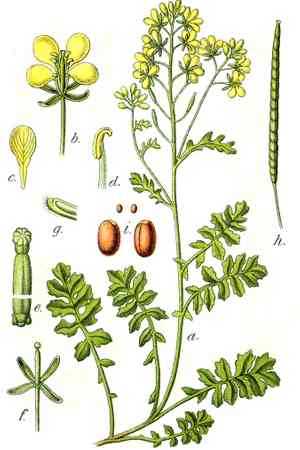
Erucastrum (Erucastrum) (Erucastrum)
Also known as: None
Erucastrum is a genus of flowering plants in the mustard family, and it includes roughly 18 species.
In This Article
Attributes of Erucastrum (Erucastrum)
Lifespan
Biennial
Plant Height
30 cm to 70 cm
Spread
15 cm to 30 cm
Leaf Color
Green
Flower Size
1 cm to 1.5 cm
Flower Color
Yellow
Images of Erucastrum (Erucastrum)
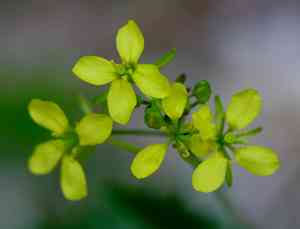
Quickly Identify Erucastrum (Erucastrum)
1
Look for yellow flowers with four petals in a cross shape, and thin seed pods. The leaves are typically lobed and can have a somewhat hairy texture.
Scientific Classification of Erucastrum (Erucastrum)
Phylum
Magnoliophyta
Class
Magnoliopsida
Order
Brassicales
Family
Brassicaceae
Genus
Erucastrum
Planting and Growing of Erucastrum (Erucastrum)
Care Difficulty
Easy
Watering Schedule
Every 3 days
Sunlight Requirements
Partial sun
Sunshine Duration
4-6 hours
Ideal Temperature
60-75℉
Soil Type
Potting Mix, Peat Mix
Soil pH
6.5-7.5
Fertilizer Type
Balanced
Pruning Season
Spring, Summer
Pruning Area
Branches, Leaves
Pruning Frequency
2 times a year
Repotting Season
Spring
Pot Type
Terracotta, Plastic
 How to Water Erucastrum (Erucastrum)?
For Erucastrum, it's essential to water thoroughly until the soil is evenly moist but not waterlogged. Ensure that water can drain properly through the soil. A good approach is to aim for approximately 250 milliliters per watering session.
What are the symptoms of an underwatered Erucastrum (Erucastrum)?
›
What should I do if my Erucastrum (Erucastrum) is not getting enough water?
›
What are the symptoms of an overwatered Erucastrum (Erucastrum)?
›
How to save an overwatered Erucastrum (Erucastrum)?
›
 What Are the Sunlight Requirements for Erucastrum (Erucastrum)?
Partial sun to full sun conditions are ideal for Erucastrum. Providing this level of light sustains robust growth and maximizes both leaf and flower production, contributing to the plant's overall health and aesthetic appeal.
What is the plant's optimal sunlight requirement?
›
How can I provide the ideal lighting for Erucastrum?
›
What benefits does ideal lighting bring to Erucastrum?
›
 What Is the Ideal Temperature Range for Erucastrum (Erucastrum)?
For optimal growth, Erucastrum requires a moderate temperature range of 60 to 75 degrees Fahrenheit. This range is ideal because it allows the plant to efficiently photosynthesize and grow without the stress of temperature extremes.
 What Soil is Best for Erucastrum (Erucastrum)?
Erucastrum thrives in well-drained soil, which prevents waterlogged conditions that could harm root health. Ensuring good drainage helps in maintaining optimal aeration for this plant, promoting vigorous growth and development. This plant benefits from nutrient-rich soil that provides essential minerals and organic matter. Such soil supports the plant's metabolic activities and boosts its resilience against diseases, ensuring a lush, healthy plant. While Erucastrum prefers well-drained soil, a moderate level of moisture retention can help sustain the plant during dry spells. Balancing moisture levels ensures that the plant remains hydrated without the risk of root rot.
 How to Fertilize Erucastrum (Erucastrum)?
For Erucastrum plants, a moderate amount of fertilizer is needed. Use about 5 grams per 1 liter of water for liquid fertilizers or 50 grams per square meter for solid, slow-release fertilizers. Adjust based on plant response to avoid over or under-fertilization.
 How to Prune Erucastrum (Erucastrum)?
Begin by observing the plant's natural shape and removing any dead or damaged stems. Make cuts just above a node to encourage new growth. Aim to open up the plant's structure for better air circulation. Prune the plant to maintain a natural yet tidy shape. Focus on removing lateral branches that clutter the plant's core, helping light to penetrate evenly, which supports healthier growth and flower production.
 How to Propagate Erucastrum (Erucastrum) plant?
1
Begin by filling seed trays with a well-draining potting mix. Make sure the mix is evenly distributed and moist but not waterlogged. This creates the ideal environment for seed germination.
2
Sprinkle the Erucastrum seeds evenly over the prepared potting mix. Lightly press them into the soil but do not cover them completely, as they need light exposure to germinate.
3
Once the seeds are sown, gently water the trays to ensure moisture penetrates the potting mix. Be careful not to wash away the seeds with excessive watering.
 How to Repot Erucastrum (Erucastrum) plant?
1
Repotting Erucastrum is necessary when its roots begin to outgrow the current pot, often visible through drainage holes or root-bound signs. Spring is an ideal time as plant growth is most vigorous, allowing it to adapt swiftly. Frequent water draining difficulty or reduced growth can indicate repotting needs.
2
Select a pot slightly larger than the current one, with sufficient drainage holes. A pot too large can cause water retention and root rot, whereas the right size will facilitate balanced moisture retention and air circulation, promoting healthier root growth.
3
Opt for sandy loam that ensures well drainage, reducing the risk of root rot. This type of soil maintains essential nutrients for Erucastrum while preventing waterlogging, mimicking its natural habitat's conditions and supporting robust growth.
Learn More About Erucastrum (Erucastrum) Diseases
Bacterial Leaf Spot
Bacterial Soft Rot
Clubroot
Cyst Nematode
Damping-off
Downy Mildew
Drought Stress
Fusarium Wilt
Gray Mold
Leaf Spot
Mosaic
Nutrient Deficiency
Nutrient Toxicity
Powdery Mildew
Root Rot
Root-knot Nematode
Rusts
Sooty Mold
Spider Mites
Temperature Stress
Thrips Damage
White Mold
Chemical Injury

