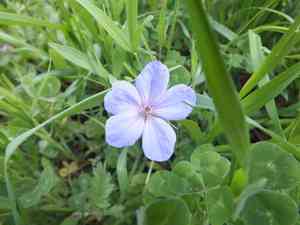
Iranian herons bill (Erodium gruinum)
Also known as: Long-beaked stork's-bill
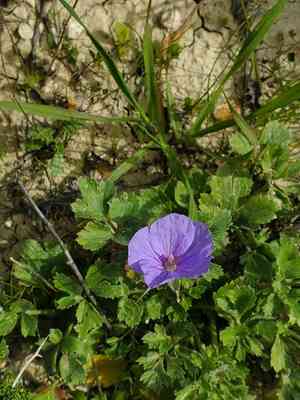
The Iranian heron's bill is known for its striking violet flowers. This plant is also notable for its large seeds, which have the unique ability to measure humidity. The name "Iranian heron's bill" comes from the shape of its fruit body, which closely resembles a heron's beak.
In This Article
Attributes of Iranian herons bill
Lifespan
Annual, Biennial
Plant Type
Herb
Plant Height
40 cm
Spread
30 cm
Leaf Color
Gray-green
Flower Size
2 cm to 3 cm
Flower Color
Purple Pink
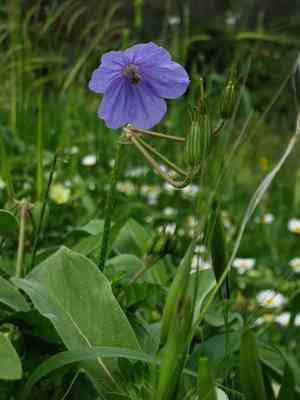
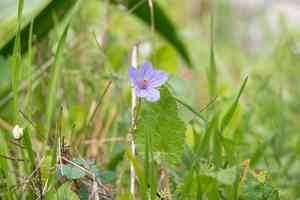
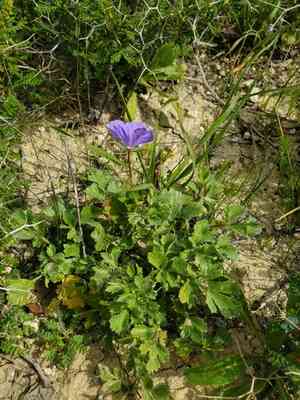
Images of Iranian herons bill
Quickly Identify Iranian herons bill
1
Erodium gruinum can be identified by its distinctive long beaked fruit. The leaves are finely divided and feathery, often appearing gray-green. The flowers are usually pink with darker veins and five petals.
Scientific Classification of Iranian herons bill
Phylum
Vascular plants
Class
Dicotyledons
Order
Geraniales
Family
Geranium
Genus
Filarees
Species
Iranian herons bill
Planting and Growing of Iranian herons bill
Care Difficulty
Easy
Watering Schedule
Every 2 days
Sunlight Requirements
Full sun
Sunshine Duration
6-10 hours
Ideal Temperature
60-75℉
Soil Type
Potting Mix, Peat Mix
Soil pH
6.5-7.5
Fertilizer Type
Balanced
Pruning Season
Spring, Summer
Pruning Area
Branches, Leaves
Pruning Frequency
Once a year
Repotting Season
Spring
Pot Type
Plastic, Ceramic
 How to Water Iranian herons bill?
Water Erodium gruinum thoroughly until the soil feels evenly moist but not waterlogged. A good rule of thumb is to water with about 250ml, ensuring the soil dries out between waterings. This plant appreciates a balance, keeping the roots hydrated without suffocating them.
What are the symptoms of an underwatered Iranian herons bill?
›
What should I do if my Iranian herons bill is not getting enough water?
›
What are the symptoms of an overwatered Iranian herons bill?
›
How to save an overwatered Iranian herons bill?
›
 What Are the Sunlight Requirements for Iranian herons bill?
Partial to full sunlight is ideal for this plant. Receiving sufficient light ensures strong growth, vibrant color, and more frequent, healthier blooms, contributing to the plant's vitality and aesthetics.
Optimal Sunlight Exposure
›
Solutions for Ideal Light Conditions
›
Benefits of Receiving Ideal Light
›
 What Is the Ideal Temperature Range for Iranian herons bill?
Erodium gruinum thrives best in a temperature range between 60 and 75°F. These conditions mimic its natural habitat, promoting optimal growth and blooming. Staying within this range ensures that the plant's physiological processes such as photosynthesis and respiration operate efficiently. Providing this temperature consistently can result in healthier foliage and more vibrant flowers.
 What Soil is Best for Iranian herons bill?
Erodium gruinum thrives in well-drained soils, which prevent water from accumulating around its roots. This condition mimics the plant’s natural habitat, promoting healthy root growth and reducing the risk of root rot. Utilizing loamy soil provides a balanced mixture of sand, silt, and clay, ensuring that Erodium gruinum receives ample nutrients for growth. Loamy soil retains essential nutrients while also allowing excess water to drain away efficiently. Keeping soil pH between 6.5 and 7.5 is crucial for the optimal nutrient absorption of Erodium gruinum. An acceptable pH range supports nutrient availability and microbial activity, which are vital for the plant's health.
 How to Fertilize Iranian herons bill?
For Erodium gruinum, applying liquid fertilizer should be done cautiously. Aim to dilute the fertilizer to half the recommended strength provided by the manufacturer. This approach ensures the plant receives nutrients without the risk of root burn or nutrient overload.
 How to Prune Iranian herons bill?
Start by removing any dead or diseased stems from the base of the plant. This helps to prevent disease spread and encourages healthier overall growth. Once deadwood is cleared, focus on shaping the plant by trimming back overgrown areas. Aim for a balanced look, ensuring light and air circulation through the plant.
More About Pruning Techniques→
 How to Propagate Iranian herons bill plant?
1
Collect seeds from mature Erodium gruinum plants in late autumn. Make sure that the seeds are dry and free from any surrounding debris.
2
Place seeds on the surface of a moistened potting mix in seed trays. Press them gently into the soil without burying them deeply, as they require light for germination.
3
Keep the soil consistently moist but not waterlogged by misting the surface regularly. Covering the trays with a transparent lid can help retain humidity.
 How to Repot Iranian herons bill plant?
1
Erodium gruinum signals a need for repotting when roots start emerging from the drainage holes. Spring or autumn are ideal times, as the plant is in an active growth phase, making it more adaptable to change.
2
Choose a pot that is only slightly larger than the current one. A pot that is too large can lead to excess moisture retention, which is detrimental to Erodium gruinum. Opt for a pot with adequate drainage holes.
3
Select a well-draining potting mix composed of equal parts peat and perlite. This composition aids in preventing water logging, which this plant species doesn't tolerate well, and keeps roots healthy and decay-free.
Learn More About Iranian herons bill Diseases
Anthracnose
Bacterial Leaf Spot
Bacterial Wilt
Chemical Injury
Crown Gall
Cyst Nematode
Damping-off
Downy Mildew
Drought Stress
Fusarium Wilt
Gray Mold
Leaf Curl
Leaf Spot
Mosaic
Nutrient Deficiency
Nutrient Toxicity
Powdery Mildew
Root Rot
Root-knot Nematode
Rusts
Sooty Mold
Spider Mites
Temperature Stress
Thrips Damage
White Mold



