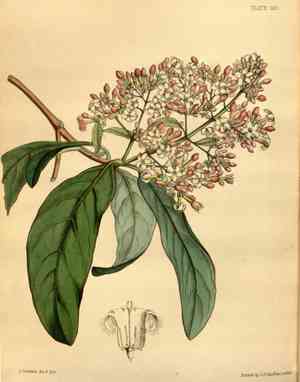
Erithalis (Erithalis) (Erithalis)
Also known as: Black Torch, Erithalis fruticosa
Erithalis is a genus within the Rubiaceae family, consisting of flowering plants. This genus is distributed from southern Florida throughout the Caribbean and into tropical regions of Central and South America.
In This Article
Attributes of Erithalis (Erithalis)
Lifespan
Perennial
Plant Height
1.5 to 3 meters
Spread
1 to 2 meters
Leaf Color
Dark green
Flower Size
0.5 to 1 cm
Flower Color
White
Images of Erithalis (Erithalis)
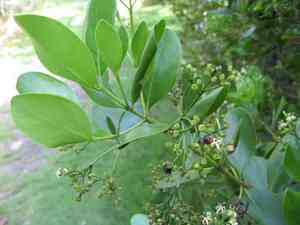
Quickly Identify Erithalis (Erithalis)
1
Identify Erithalis by its glossy, dark green leaves and clusters of small white flowers. The fruits are round and turn black when mature.
Scientific Classification of Erithalis (Erithalis)
Phylum
Magnoliophyta
Class
Magnoliopsida
Order
Gentianales
Family
Rubiaceae
Genus
Erithalis
Planting and Growing of Erithalis (Erithalis)
Care Difficulty
Moderate
Watering Schedule
Every 3 days
Sunlight Requirements
Full sun
Sunshine Duration
4-8 hours
Ideal Temperature
70-85℉
Soil Type
Potting Mix, Peat Mix
Soil pH
6.5-7.5
Fertilizer Type
Balanced
Pruning Season
Spring, Summer
Pruning Area
Branches, Leaves
Pruning Frequency
2 times a year
Repotting Season
Spring
Pot Type
Plastic, Ceramic
 How to Water Erithalis (Erithalis)?
Erithalis plants enjoy consistent moisture but mustn't be waterlogged. Make sure to water until the soil is evenly moist, but avoid leaving pools of water on the soil surface. Ensure the pot has proper drainage to prevent root rot. Typically, 250 ml per session suffices.
What are the symptoms of an underwatered Erithalis (Erithalis)?
›
What should I do if my Erithalis (Erithalis) is not getting enough water?
›
What are the symptoms of an overwatered Erithalis (Erithalis)?
›
How to save an overwatered Erithalis (Erithalis)?
›
 What Are the Sunlight Requirements for Erithalis (Erithalis)?
Erithalis prefers full to partial sun exposure, benefiting from morning sun with some afternoon shade. This range supports lush growth, vibrant foliage, and plentiful blooming, maintaining overall plant health.
What are the ideal lighting conditions for Erithalis?
›
How can Erithalis achieve the ideal lighting?
›
What benefits arise from ideal lighting for Erithalis?
›
 What Is the Ideal Temperature Range for Erithalis (Erithalis)?
For optimal growth, Erithalis thrives in a temperature range of 70°F to 85°F. This range provides an ideal environment that matches the plant’s natural habitat, maintaining its physiological processes efficiently. Keeping the temperature in this window ensures healthy growth and supports the plant's overall vitality and resilience against disease.
 What Soil is Best for Erithalis (Erithalis)?
Erithalis thrives in well-drained soil, which prevents waterlogging and ensures the roots receive adequate oxygen, promoting healthy growth and vigorous foliage. A nutrient-rich soil provides essential minerals and elements that support Erithalis in producing abundant flowers and maintaining robust overall health. Erithalis requires moderate moisture levels in the soil to prevent dehydration or excessive wetness, both of which can hinder growth and lead to root decay.
 How to Fertilize Erithalis (Erithalis)?
Erithalis plants require a balanced approach when it comes to fertilization. Use a balanced 10-10-10 NPK liquid fertilizer at half strength to ensure the plant receives essential nutrients without overwhelming it.
 How to Prune Erithalis (Erithalis)?
Start by identifying branches that are dead, diseased, or crossing each other. Focus on keeping the plant open and airy by removing inward-growing branches, which can lead to improper air circulation. When pruning, make cuts near the main stem or at a node, where leaves branch out. This encourages new growth to occur primarily at the cut points, helping the plant to maintain a tidy shape. After pruning, water the Erithalis thoroughly and, if desired, apply a balanced fertilizer to support new growth. Keep an eye on the pruned plant for any signs of stress and address them promptly.
 How to Propagate Erithalis (Erithalis) plant?
1
To propagate Erithalis from seeds, begin by collecting ripe seeds from mature plants. Make sure the seeds are dry and free from any signs of disease or insect damage to increase the chances of successful germination.
2
Select healthy, non-flowering shoots from the parent plant for cuttings. The ideal cutting should be 4-6 inches long with several leaves intact. Remove the lower leaves to expose the nodes where roots will form.
3
For seeds, place them evenly on the surface of the seed tray's soil and lightly cover with a thin layer of soil. For cuttings, insert the cut end into a moist rooting medium, ensuring that at least one node is buried in the soil to promote root development.
 How to Repot Erithalis (Erithalis) plant?
1
Repotting Erithalis should be done when you notice roots circling the pot's edges or breaking through drainage holes. The best time is during the active growing season, as this facilitates faster recovery. Look for additional signs like stunted growth or soil that dries out excessively quickly, which indicate the plant's need for a roomier pot.
2
Select a new pot that is 2-3 inches wider in diameter than the current one to ensure ample room for root growth. It should come with drainage holes to prevent waterlogging, ensuring healthy root development. Opting for clay pots can help with moisture regulation, which is beneficial for the plant.
3
Choose a well-draining potting mix that retains enough moisture yet drains excess water quickly. A mix containing peat, bark, and perlite is ideal. This soil composition provides necessary nutrients while preventing root rot, promoting a vibrant and healthy Erithalis.
Learn More About Erithalis (Erithalis) Diseases
Anthracnose
Bacterial Leaf Spot
Bacterial Soft Rot
Bacterial Wilt
Black Spot
Chemical Injury
Crown Gall
Damping-off
Downy Mildew
Drought Stress
Fusarium Wilt
Gray Mold
Leaf Curl
Leaf Spot
Mosaic
Nutrient Deficiency
Nutrient Toxicity
Powdery Mildew
Root Rot
Root-knot Nematode
Rusts
Sooty Mold
Spider Mites
Temperature Stress
Thrips Damage
White Mold

