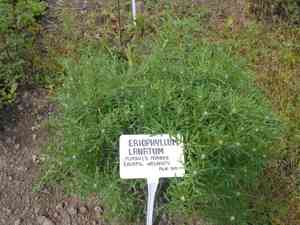
Common Woolly Sunflower (Eriophyllum lanatum)
Also known as: Fort Tejon Woolly Sunflower, Yarrow Leaved Woolly Sunflower
The Common Woolly Sunflower, known for its cheerful, sunflower-like yellow blossoms, stands out as an appealing option for gardeners. Its bright, upward-facing flowers provide significant ornamental value. This hardy plant thrives in dry, rocky, and sunny environments, making it simple to cultivate and maintain. Its resilience and minimal water requirements make it a practical addition to any garden.
In This Article
Attributes of Common Woolly Sunflower
Lifespan
Perennial, Annual
Plant Type
Herb
Plant Height
10 cm to 1.02 m
Spread
20 cm
Leaf Color
Green Gray Silver
Flower Size
2.5 cm
Flower Color
Yellow
Images of Common Woolly Sunflower
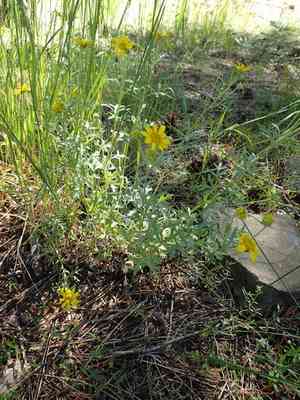
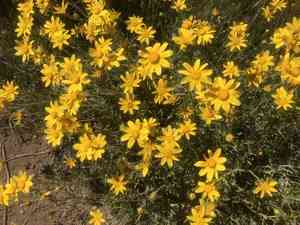
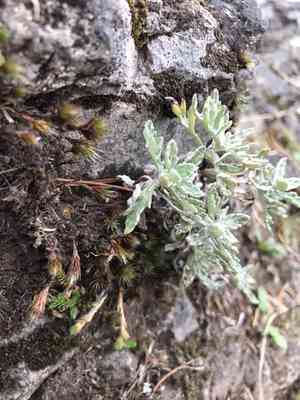
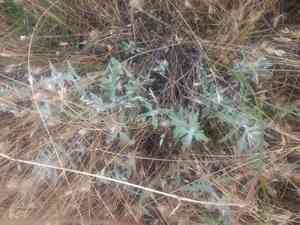
Quickly Identify Common Woolly Sunflower
1
Identifying Eriophyllum lanatum involves looking for its woolly, silver-gray leaves and bright yellow, daisy-like flower heads. The plant typically grows in clumps and has a distinctive, soft texture due to the fine hairs on its leaves.
Scientific Classification of Common Woolly Sunflower
Phylum
Vascular plants
Class
Dicotyledons
Order
Asterales
Family
Daisy
Genus
Woolly sunflowers
Species
Common Woolly Sunflower
Planting and Growing of Common Woolly Sunflower
Care Difficulty
Easy
Watering Schedule
Every 4 days
Sunlight Requirements
Full sun
Sunshine Duration
4-8 hours
Ideal Temperature
65-75℉
Soil Type
Potting Mix, Peat Mix
Soil pH
6.5-7.5
Fertilizer Type
Balanced
Pruning Season
Spring, Summer
Pruning Area
Branches, Leaves
Pruning Frequency
Once a year
Repotting Season
Spring
Pot Type
Plastic, Ceramic
 How to Water Common Woolly Sunflower?
Eriophyllum lanatum, commonly known as woolly sunflower, requires moderate watering in early stages. Ensure the soil is soaked but not waterlogged each time you water. Allow the top inch of soil to dry between waterings to mimic its natural habitat of dry, rocky meadows.
What are the symptoms of an underwatered Common Woolly Sunflower?
›
What should I do if my Common Woolly Sunflower is not getting enough water?
›
What are the symptoms of an overwatered Common Woolly Sunflower?
›
How to save an overwatered Common Woolly Sunflower?
›
 What Are the Sunlight Requirements for Common Woolly Sunflower?
Eriophyllum lanatum thrives in full sun conditions. Ensuring sufficient sun exposure supports vibrant coloration, robust growth, and maximizes blooming potential, allowing the plant to exhibit its full beauty.
More About Sunlight Requirements Techniques→
Solution to Achieve Ideal Lighting
›
Concrete Measures to Ensure Ideal Lighting
›
Benefits of Ideal Lighting
›
 What Is the Ideal Temperature Range for Common Woolly Sunflower?
The ideal temperature range for growing Eriophyllum lanatum, commonly known as woolly sunflower, is between 65°F and 75°F. This range promotes healthy growth and flowering, providing conditions that mimic its native habitat. It’s important to maintain these temperatures consistently for optimal health.
 What Soil is Best for Common Woolly Sunflower?
Eriophyllum lanatum thrives best in well-draining soils to avoid root rot. Well-draining soil ensures that water doesn't stagnate and cause damage to the roots. This allows the plant to absorb nutrients effectively, promoting healthy growth. This plant prefers soils with moderate nutrient levels. Avoid very rich soils, as they can lead to excessive foliage growth at the expense of flowering. Maintaining moderate nutrient levels supports balanced growth and abundant blooming. Soil with good aeration is crucial for the roots of Eriophyllum lanatum to access oxygen. Well-aerated soil facilitates root expansion and ensures the efficient uptake of nutrients, essential for the plant's vigor and resilience.
 How to Fertilize Common Woolly Sunflower?
For Eriophyllum lanatum, it's crucial to use a balanced fertilizer at a quarter strength for optimal growth. Apply about 1/4 teaspoon per gallon of water when using liquid fertilizer. This way, you can ensure that the nutrients are available without overwhelming the plant.
 How to Prune Common Woolly Sunflower?
Start by removing dead and damaged stems, cutting back to healthy growth. This will help to keep the plant tidy and prevent the spread of disease. Shape the plant by trimming back any overgrown or wayward stems, ensuring light and air circulation through the plant. This will promote a bushier and more appealing shape. For optimal flowering, cut back after the first bloom. This practice stimulates a second blooming cycle, allowing Eriophyllum lanatum to display vibrant flowers for a longer period in your garden.
More About Pruning Techniques→
 How to Propagate Common Woolly Sunflower plant?
1
Place seeds in a seed tray filled with well-draining soil. Cover lightly with soil and water gently. Keep in a warm area with indirect sunlight, maintaining consistent moisture until germination occurs.
2
Choose a healthy stem and cut a 4-6 inch section using sharp, sterilized shears. Remove the leaves from the lower half before placing in a potting mix or soil designed for cuttings.
3
Gently lift mature plants from the ground, shaking off excess soil. Use a clean knife or spade to divide the root ball into sections. Replant the divisions immediately in prepared soil.
 How to Repot Common Woolly Sunflower plant?
1
Eriophyllum lanatum shows it's ready for repotting when its roots start to grow through the drainage holes of the current pot, or the growth becomes stunted despite regular care. The best time to consider repotting is during early spring or summer, when the plant is actively growing. This ensures it has ample opportunity to recover and establish in its new pot before entering dormant phases.
2
Opt for a pot that is just one size larger than the current one. This minimizes root disturbance while providing enough space for continued growth. Terracotta pots are ideal as they offer good breathability, which helps keep the roots dry, as Eriophyllum lanatum prefers not to sit in water.
3
Select a well-draining, gritty soil mix to replicate its natural habitat. A blend that includes sand, perlite, and organic material is ideal. This kind of soil allows for proper drainage, reducing the risk of root rot while maintaining sufficient moisture levels.
Learn More About Common Woolly Sunflower Diseases
Anthracnose
Bacterial Leaf Spot
Bacterial Soft Rot
Bacterial Wilt
Black Spot
Chemical Injury
Crown Gall
Cyst Nematode
Damping-off
Downy Mildew
Drought Stress
Fusarium Wilt
Gray Mold
Leaf Spot
Mosaic
Nutrient Deficiency
Nutrient Toxicity
Powdery Mildew
Root Rot
Root-knot Nematode
Rusts
Sooty Mold
Spider Mites
Temperature Stress
Thrips Damage
White Mold



