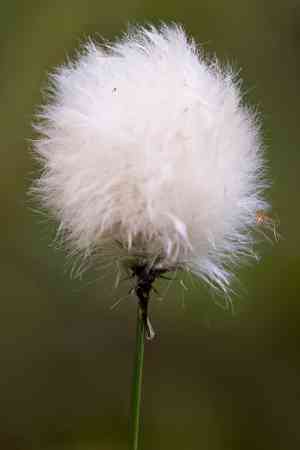
Slender cotton-grass(Eriophorum gracile)

Slender cotton-grass (Eriophorum gracile)

Also known as: Slender Cottongrass

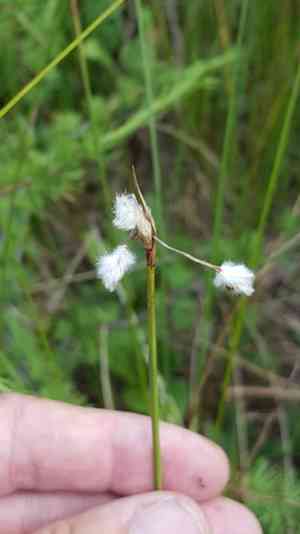
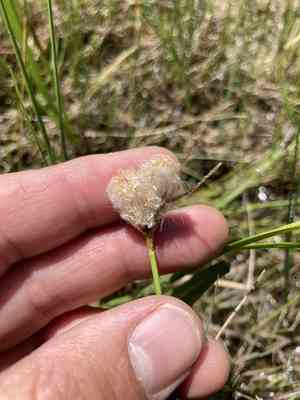
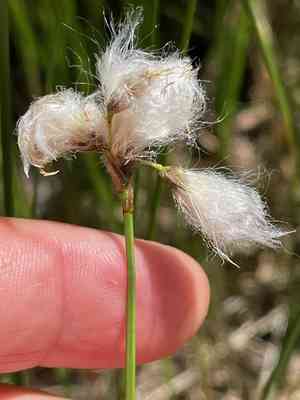
Eriophorum gracile, known as slender cottongrass, is a perennial herb notable for its tall, thin stature and graceful appearance. It features a slender, mostly unbranched, solid stem that typically reaches heights of 30 to 60 centimeters. The plant is distinguished by its fluffy, cotton-like seed heads that sit atop the stem, creating a wispy, white inflorescence.

Growth and Reproduction:
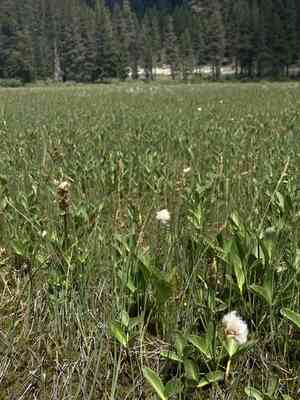
- Habitat: Often found in wet, acidic environments such as bogs, fens, and moist meadows.
- Leaves: Narrow and grass-like, contributing to its slender appearance.
- Stems: Rounded and solid, mostly free of leaves along the length.
- Inflorescence: Fluffy, cottony, white seed heads that are highly visible.

The plant forms colonies primarily through vegetative spread using rhizomes, allowing it to create dense clusters. Additionally, it reproduces sexually by producing seeds that are dispersed by the wind.

Attributes of Slender cotton-grass

Lifespan
Perennial
Plant Type
Grass
Plant Height
20 cm to 61 cm
Spread
N/A
Leaf Color
Green
Flower Size
N/A
Flower Color
White

ForwardPlant - Identify plants with a snap

Identify and diagnose plants, get toxicity alerts, and explore safety guides for all types of fungi.

Try for Free

Images of Slender cotton-grass

Slender cotton-grass(Eriophorum gracile)

Quickly Identify Slender cotton-grass

1
Eriophorum gracile can be identified by its slender stems and the distinctive white, cotton-like tufts at the tops. The leaves are narrow and grass-like, and the plant typically stands erect in waterlogged soils.

Scientific Classification of Slender cotton-grass

Phylum
Vascular plants
Class
Monocotyledons
Order
Poales
Family
Sedge
Genus
Cotton-grass
Species
Slender cotton-grass

Planting and Growing of Slender cotton-grass

Care Difficulty
Moderate
Watering Schedule
Every 3 days
Sunlight Requirements
Partial sun
Sunshine Duration
4-6 hours
Ideal Temperature
59-68℉
Soil Type
Potting Mix, Peat Mix
Soil pH
4.5-6
Fertilizer Type
Balanced
Pruning Season
Spring, Summer
Pruning Area
Branches, Leaves
Pruning Frequency
2 times a year
Repotting Season
Spring
Pot Type
Plastic, Ceramic

water icon How to Water Slender cotton-grass?

Eriophorum gracile prefers consistently moist conditions, so you should aim to keep the soil evenly moist without waterlogging. A watering amount of approximately 500 ml per session typically suffices, ensuring that the moisture reaches the deep roots without leaving water standing on the surface.
What are the symptoms of an underwatered Slender cotton-grass?
What should I do if my Slender cotton-grass is not getting enough water?
What are the symptoms of an overwatered Slender cotton-grass?
How to save an overwatered Slender cotton-grass?

sunlight icon What Are the Sunlight Requirements for Slender cotton-grass?

Sunlight Requirements: Partial sun, Full sun
Duration of light: 4-6 hours
Partial sun allows Eriophorum gracile to perform photosynthesis efficiently, promoting healthy growth and leaf coloration. Full sun, however, should be moderated to prevent heat stress and dehydration.
What is the best lighting condition for Eriophorum gracile?

temperature icon What Is the Ideal Temperature Range for Slender cotton-grass?

Ideal Temperature: 59 ~ 68℉
What is the ideal temperature range for Eriophorum gracile?
The ideal temperature range for Eriophorum gracile is from 59 to 68 degrees Fahrenheit. This range is optimal for growth, allowing the plant to thrive and maintain healthy physiological functions.

soil icon What Soil is Best for Slender cotton-grass?

Soil type: Peat soil, Sandy loam, Acidic soil
Soil PH: 4.5 ~ 6
Eriophorum gracile thrives best in soils that maintain consistent moisture. This requirement ensures the roots remain hydrated, promoting healthy growth even during dry spells. Rich organic content in the soil supports nutrient availability. This nutrient richness fosters robust plant growth and helps Eriophorum gracile to develop strong, healthy shoots. Though moisture is essential, the soil must also drain well to prevent waterlogging. Adequate drainage reduces the risk of root rot, a common issue for this plant.

fertilize icon How to Fertilize Slender cotton-grass?

Fertilizer type: Balanced
Eriophorum gracile requires a moderate amount of fertilizer to thrive. A balanced 10-10-10 liquid fertilizer diluted to half strength is ideal for monthly use. For solid fertilizers, use a slow-release granular formula; apply about 50 grams per square meter at the start of the growing season.

prune icon How to Prune Slender cotton-grass?

Pruning Time: Spring, Summer
Focus on cutting back dead or damaged stems, which you can identify by their brown, brittle appearance. These parts of the plant no longer contribute to its health and should be removed to encourage new growth. Make your cuts above a leaf node to stimulate more vigorous growth. Nodes are the points on the stem where leaves attach, and cutting here encourages the plant to sprout new shoots. Trimming your Eriophorum gracile helps maintain its desired height and shape. This can prevent the plant from becoming too leggy and overgrown, keeping it attractive and healthy.

propagate icon How to Propagate Slender cotton-grass plant?

Propagate Time: Early spring, Spring
1
Start by filling seed trays with a mix of peat and perlite to ensure well-drained soil. Scatter the seeds evenly over the surface and lightly cover them with a thin layer of soil. Keep the trays in a warm, bright location but out of direct sunlight. Water gently to maintain moisture levels, and expect germination within a few weeks.
2
Divide mature clumps in early spring when the plant is still dormant. Use a garden fork to gently lift the clump out of the ground. Shake off excess soil to expose the roots and carefully separate the clump into smaller sections, ensuring each section has a healthy root system. Replant the divisions promptly at the same depth they were growing previously.
3
Once seedlings are large enough to handle, typically after a few weeks, they should be transplanted to individual pots. Use a rich, well-draining potting soil and position the seedlings in a shaded area initially to allow them to adjust before moving to brighter spots. Ensure even moisture during the establishment phase.
More About Propagating Techniques

repot icon How to Repot Slender cotton-grass plant?

Repotting frequency: Every 2-3 years
1
For Eriophorum gracile, the best time to repot is when you notice that the roots are crowding the container or sticking out of drainage holes. This indicates that the plant needs more space to grow and can no longer thrive in its current pot.
2
Opt for a pot that is slightly larger than the current one, with ample drainage holes to prevent waterlogging. Clay or terra cotta pots are ideal as they allow for better aeration, preventing root rot and letting your plant flourish.
3
Choose a soil mix that retains moisture yet drains well, ideally acidic in nature. This type of soil ensures that Eriophorum gracile’s roots are not sitting in water, preventing common issues like root rot, while mimicking the plant’s natural growing conditions.

ForwardPlant - Identify plants with a snap

Find the best spots for them to optimize their health, simply using your phone.

Try for Free