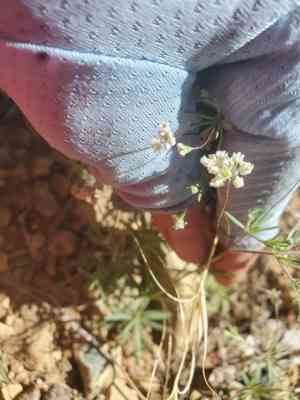
Wirestem buckwheat (Eriogonum pharnaceoides)
Also known as: None
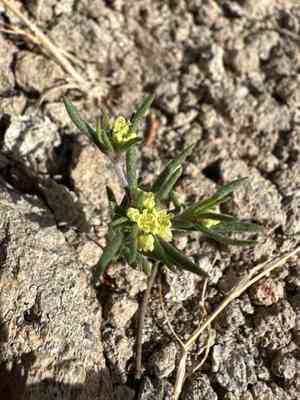
Wirestem buckwheat (Eriogonum elatum) is a perennial herb notable for its wiry, slender stems and a woody base. Its mostly basal leaves are oval-shaped, while smaller leaves grow along the stems. This plant is well-suited to dry, rocky soils and typically flourishes in open, arid environments, often in full sun. It is highly drought-resistant and can be found in grasslands, sagebrush areas, and open woodlands at elevations ranging from 2,000 to 8,000 feet. The plant produces clusters of small, white to pinkish flowers that attract pollinators, playing a key role in supporting local biodiversity.
In This Article
Attributes of Wirestem buckwheat
Lifespan
Annual
Plant Type
Herb
Plant Height
10-50 cm
Spread
Varies
Leaf Color
Green to gray-green
Flower Size
5-7 mm
Flower Color
White, yellowish
Images of Wirestem buckwheat
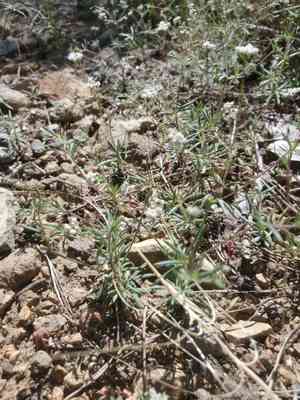
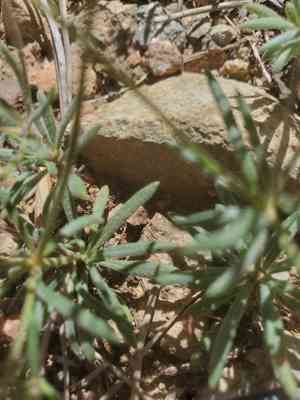
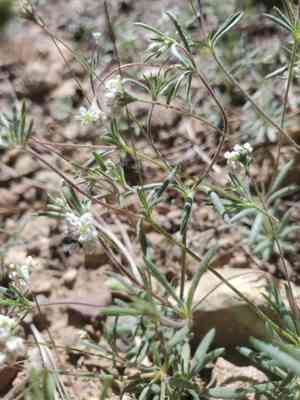
Quickly Identify Wirestem buckwheat
1
Look for thin, wiry stems and small, clumped flowers that are often white or yellowish. The leaves are typically small, oval, and may have a slight silvery sheen.
Scientific Classification of Wirestem buckwheat
Phylum
Vascular plants
Class
Dicotyledons
Order
Caryophyllales
Family
Buckwheat
Genus
Wild Buckwheat
Species
Wirestem buckwheat
Planting and Growing of Wirestem buckwheat
Care Difficulty
Easy
Watering Schedule
Every 2 days
Sunlight Requirements
Full sun
Sunshine Duration
4-8 hours
Ideal Temperature
65-85℉
Soil Type
Potting Mix, Peat Mix
Soil pH
6.5-7.5
Fertilizer Type
Balanced
Pruning Season
Spring, Summer
Pruning Area
Branches, Leaves
Pruning Frequency
2 times a year
Repotting Season
Spring
Pot Type
Plastic, Ceramic
 How to Water Wirestem buckwheat?
Eriogonum pharnaceoides thrives with a modest watering routine. Roughly 200 milliliters per session is adequate, ensuring the soil is moist but never soggy. This plant hails from arid regions, so emulating its natural habitat with restrained watering helps prevent root rot.
What are the symptoms of an underwatered Wirestem buckwheat?
›
What should I do if my Wirestem buckwheat is not getting enough water?
›
What are the symptoms of an overwatered Wirestem buckwheat?
›
How to save an overwatered Wirestem buckwheat?
›
 What Are the Sunlight Requirements for Wirestem buckwheat?
Eriogonum pharnaceoides flourishes in full to partial sun. Adequate lighting supports photosynthesis, leading to healthy growth, vibrant colors, and a longer blooming season.
What type of sunlight does Eriogonum pharnaceoides prefer?
›
What is the solution for providing ideal lighting?
›
What are the benefits of receiving ideal light?
›
 What Is the Ideal Temperature Range for Wirestem buckwheat?
The ideal temperature range for growing Eriogonum pharnaceoides is between 65 to 85 degrees Fahrenheit. This range provides the optimal conditions for the plant to thrive, ensuring proper growth and flowering. Maintaining temperatures within this range can help avoid stress and promote healthy development.
 What Soil is Best for Wirestem buckwheat?
Eriogonum pharnaceoides thrives in well-drained soil conditions. This type of soil prevents water from pooling around the roots, reducing the risk of root rot and promoting healthy growth. This plant prefers soil with moderate fertility levels, ensuring it receives the necessary nutrients without the risk of over-fertilization, which can hinder its natural growth patterns. Soil that is exposed to ample sunlight can enhance the growth of Eriogonum pharnaceoides. Sunlit earth warms up quickly, an essential factor for the optimal growth of this plant.
 How to Fertilize Wirestem buckwheat?
Eriogonum pharnaceoides benefits from a balanced fertilization approach. For liquid fertilizers, use a 10-20-10 formula, diluted to half strength. Use approximately 1 tablespoon per gallon of water. For solid fertilizers, a slow-release 14-14-14 formula is ideal. Apply about 1 teaspoon per square foot. These amounts ensure the plant receives adequate nutrients without risk of over-fertilization.
 How to Prune Wirestem buckwheat?
Start by assessing the overall shape of Eriogonum pharnaceoides. Trim back overgrown branches and thin out areas where branches are dense to improve airflow. Cut branches at a slight angle just above a node or bud to encourage new growth. Eliminating leggy growth or faded blooms will encourage the plant to maintain a more compact and vigorous form throughout the growing seasons. Clip away any unwanted growth while being mindful not to remove more than one-third of the plant at a time.
More About Pruning Techniques→
 How to Propagate Wirestem buckwheat plant?
1
Begin by filling the seed tray with a high-quality, well-draining potting mix. Make sure it is evenly moist before sowing the seeds. The soil should be loose and free of large clumps to facilitate easier root penetration.
2
Evenly distribute the seeds across the prepared soil surface. Push them gently into the soil or cover them lightly with a thin layer of soil, depending on their size. Ensure they have adequate space to grow without competition.
3
Cover the seed tray with a clear plastic lid or plastic wrap to maintain humidity. Regularly check the moisture level of the soil and water as necessary, ensuring the soil is consistently moist but not waterlogged.
 How to Repot Wirestem buckwheat plant?
1
Eriogonum pharnaceoides needs repotting when its roots start to appear from the drainage holes or it becomes root-bound. Another sign is when the plant's growth slows down significantly, indicating that it may have outgrown its current pot. The ideal time to repot is during active growth in spring or summer.
2
Select a pot that is 1-2 inches larger in diameter than the current one, ensuring it has adequate drainage holes. This allows roots to spread comfortably, preventing water stagnation and promoting healthy growth. Choosing the right size pot helps prevent overwatering issues and ensures the plant's stability.
3
Opt for a well-draining sandy soil mix, which mimics its natural habitat's conditions. This type of soil prevents water from accumulating at the roots, reducing the risk of root rot. A suitable mix typically includes sand, perlite, and a bit of organic matter to ensure proper aeration and nutrient absorption.


