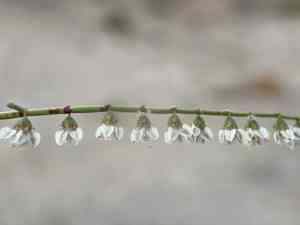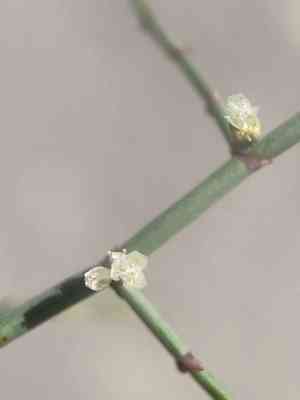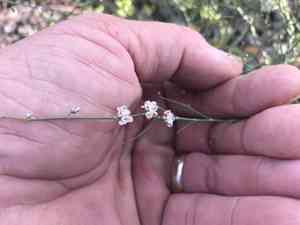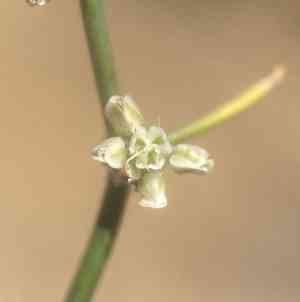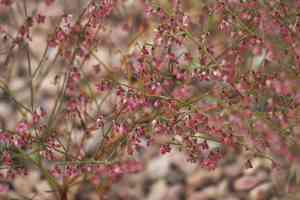
Skeleton weed(Eriogonum deflexum)

Skeleton weed (Eriogonum deflexum)

Also known as: Nevada skeleton weed, Flat-top buckwheat, Skeletonweed eriogonum

Skeleton weed (Chondrilla juncea) is well-suited to desert environments due to its distinctive adaptations. It boasts a deep, extensive taproot system that taps into underground water sources, crucial for surviving in arid conditions. The plant's narrow, reduced leaves minimize water loss, and its overall drought tolerance allows it to endure prolonged dry spells. Additionally, skeleton weed produces numerous lightweight seeds that are easily dispersed by the wind, facilitating rapid colonization of new areas. Its rapid growth and reproductive cycle further enhance its ability to outcompete other vegetation. These features collectively enable skeleton weed to thrive in harsh desert landscapes.

Attributes of Skeleton weed

Lifespan
Perennial
Plant Height
0.1 - 0.6 meters
Spread
Up to 0.5 meters
Leaf Color
Green to grayish-green
Flower Size
2 - 3 millimeters
Flower Color
White to pinkish

ForwardPlant - Identify plants with a snap

Identify and diagnose plants, get toxicity alerts, and explore safety guides for all types of fungi.

Try for Free

Images of Skeleton weed

Skeleton weed(Eriogonum deflexum)

Quickly Identify Skeleton weed

1
Eriogonum deflexum can be identified by its small, white to pinkish flowers clustered in umbrella-shaped groups called umbels. The stems are thin and often reddish, while the leaves are mostly basal and covered with tiny, silvery hairs.

Scientific Classification of Skeleton weed

Phylum
Vascular plants
Class
Dicotyledons
Order
Caryophyllales
Family
Buckwheat
Genus
Wild Buckwheat
Species
Skeleton weed

Planting and Growing of Skeleton weed

Care Difficulty
Moderate
Watering Schedule
Every 2 days
Sunlight Requirements
Full sun
Sunshine Duration
4-8 hours
Ideal Temperature
68-77℉
Soil Type
Potting Mix, Peat Mix
Soil pH
6.5-7.5
Fertilizer Type
Balanced
Pruning Season
Spring, Summer
Pruning Area
Branches, Leaves
Pruning Frequency
2 times a year
Repotting Season
Spring
Pot Type
Plastic, Ceramic

water icon How to Water Skeleton weed?

Eriogonum deflexum requires careful attention to its watering needs. The ideal practice is to ensure the soil is completely moistened but not waterlogged. About 250 ml of water is typically sufficient, ensuring the soil has absorbed the moisture without pooling at the surface.
What are the symptoms of an underwatered Skeleton weed?
What should I do if my Skeleton weed is not getting enough water?
What are the symptoms of an overwatered Skeleton weed?
How to save an overwatered Skeleton weed?

sunlight icon What Are the Sunlight Requirements for Skeleton weed?

Sunlight Requirements: Full sun
Duration of light: 8 to 12 hours
Eriogonum deflexum prospers with all-day exposure, aligned with full sun conditions. This ensures its metabolic activities remain unfettered, enhancing growth, vitality, and visual appeal in line with its ecological needs.
What is the ideal light environment for Eriogonum deflexum?
How can you ensure it gets the ideal lighting?
What benefits does the ideal lighting provide?

temperature icon What Is the Ideal Temperature Range for Skeleton weed?

Ideal Temperature: 68 ~ 77℉
Eriogonum deflexum thrives in temperatures ranging from 68 to 77°F. This range ensures that the plant can conduct photosynthesis efficiently and maintain healthy growth cycles. Deviations from this range might impede its growth and vitality.

soil icon What Soil is Best for Skeleton weed?

Soil type: Sandy soil, Sandy loam
Soil PH: 6.5 ~ 7.5
Eriogonum deflexum thrives in well-drained soil as it prevents waterlogging which can lead to root rot. This type of soil supports healthy root development, essential for the plant's overall growth and blooming. Although this plant can grow in less fertile soil, an ideal growth substrate includes moderate nutrient content. This influences better growth and more vibrant flowering, enhancing its natural beauty and ecological function. Eriogonum deflexum is adapted to survive in moderately dry soil conditions. Such conditions minimize excessive water stress, allowing the plant to conserve energy and withstand arid environments effectively.

fertilize icon How to Fertilize Skeleton weed?

Fertilizer type: Balanced
For Eriogonum deflexum, the fertilizer amount should be kept minimal. Use a diluted liquid fertilizer with a low nitrogen content, around 1-2 teaspoons per gallon of water during the growing season. This prevents nutrient burn and ensures healthy growth.

prune icon How to Prune Skeleton weed?

Pruning Time: Spring, Summer, Autumn
Prune the plant during early spring before new growth begins. Avoid excessive pruning during extremely hot or cold periods, as this can stress the plant. Regularly assess the shape of Eriogonum deflexum. Aim to maintain a balanced form by selectively removing branches that disrupt the natural shape or grow out of proportion. More About Pruning Techniques

propagate icon How to Propagate Skeleton weed plant?

Propagate Time: Early spring, Late spring
1
Fill seed trays with a suitable potting mix. Lightly moisten the soil to create a hospitable environment for seed germination without waterlogging.
2
Sprinkle Eriogonum deflexum seeds evenly over the moist potting mix. Cover them with a thin layer of soil, no more than a quarter inch deep.
3
Gently water the seeds using a fine mist spray. Cover the trays with plastic wrap or a clear lid to maintain humidity, placing them in a warm, bright location.
More About Propagating Techniques

repot icon How to Repot Skeleton weed plant?

Repotting frequency: Every 2-3 years
1
Repot your Eriogonum deflexum when you notice the plant outgrowing its current pot. Signs include roots emerging from drainage holes and a noticeable slowdown in growth. It's essential to act when you observe these indicators to ensure the plant has ample space to thrive.
2
Opt for a pot that's slightly larger, about 1-2 inches wider than the current one. The pot should have multiple drainage holes to prevent waterlogging, which can harm the roots. A terracotta pot is optimal as it encourages airflow, helping maintain healthy root systems.
3
Choose a well-draining sandy soil mix. This prevents water retention and mimics the plant’s natural arid environment. The right soil mix eases root growth, provides adequate nutrients, and reduces the risk of root diseases.

ForwardPlant - Identify plants with a snap

Find the best spots for them to optimize their health, simply using your phone.

Try for Free