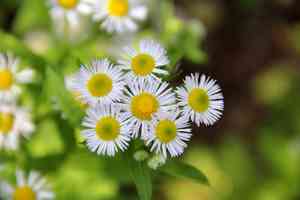
Southern fleabane (Erigeron quercifolius)
Also known as: Oakleaf Fleabane
Southern fleabane, also known as Oakleaf Fleabane due to the oak-like shape of its leaves, thrives in dry to moderately moist soils, even if they are low in nutrients. It is drought-resistant and can tolerate sea spray. Traditionally, burning southern fleabane has been a method to repel fleas and other pests.
In This Article
Attributes of Southern fleabane
Lifespan
Annual, Perennial
Plant Type
Herb
Plant Height
15 cm to 46 cm
Spread
15 cm to 20 cm
Leaf Color
Green
Flower Size
2.5 cm
Flower Color
White Yellow Pink Blue Lavender Orange
Images of Southern fleabane
Quickly Identify Southern fleabane
1
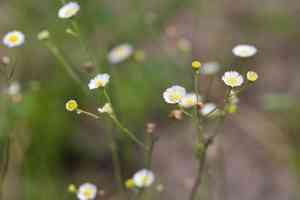
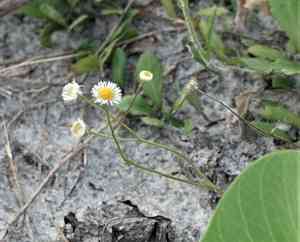
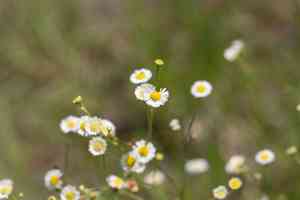
Erigeron quercifolius can be identified by its oak-like leaves and delicate daisy-like flowers. The leaves are deeply lobed similar to an oak leaf, and the flowers have white to pinkish rays surrounding a yellow center.
Scientific Classification of Southern fleabane
Phylum
Vascular plants
Class
Dicotyledons
Order
Asterales
Family
Daisy
Genus
Fleabanes
Species
Southern fleabane
Planting and Growing of Southern fleabane
Care Difficulty
Easy
Watering Schedule
Every 3 days
Sunlight Requirements
Full sun
Sunshine Duration
6-10 hours
Ideal Temperature
65-75℉
Soil Type
Potting Mix, Peat Mix
Soil pH
6.5-7.5
Fertilizer Type
Balanced
Pruning Season
Spring, Summer
Pruning Area
Branches, Leaves
Pruning Frequency
2 times a year
Repotting Season
Spring
Pot Type
Plastic, Ceramic
 How to Water Southern fleabane?
For Erigeron quercifolius, the principle for watering is to ensure the soil remains consistently moist but not waterlogged. A thorough watering means saturating the soil to a depth of about 6 inches but allowing the top inch to dry out before the next session, which generally requires around 250 milliliters per session.
What are the symptoms of an underwatered Southern fleabane?
›
What should I do if my Southern fleabane is not getting enough water?
›
What are the symptoms of an overwatered Southern fleabane?
›
How to save an overwatered Southern fleabane?
›
 What Are the Sunlight Requirements for Southern fleabane?
Full sun is ideal; it enables full flowering potential, vigorous growth, and prevents pests that thrive in shadier conditions, promoting overall health.
More About Sunlight Requirements Techniques→
Problem
›
Solution
›
Effect
›
 What Is the Ideal Temperature Range for Southern fleabane?
Erigeron quercifolius thrives best in an environment where the temperature consistently remains between 65°F and 75°F. These conditions closely mimic its native habitat, providing the ideal balance of warmth and moisture, effective for seed germination, root establishment, and optimal leaf production.
 What Soil is Best for Southern fleabane?
Erigeron quercifolius thrives in well-drained soil as it prevents waterlogging, which can cause root rot. Ensuring adequate soil drainage will promote healthier root systems, allowing the plant to absorb nutrients efficiently. This plant flourishes in nutrient-rich soil. A good balance of organic matter and essential nutrients such as nitrogen, phosphorus, and potassium are crucial for its optimal growth and blooming processes. Erigeron quercifolius prefers soil that supports good aeration. This allows roots to access oxygen easily, facilitating better growth and development, thus avoiding the stunting caused by compacted soil.
 How to Fertilize Southern fleabane?
Erigeron quercifolius, commonly known as oakleaf fleabane, thrives with balanced fertilization. Use a water-soluble fertilizer diluted to half-strength for liquid feeds to avoid over-fertilization. For each watering, ensure 1-2 teaspoons per gallon of water for optimal growth. With solid fertilizers, apply 1-2 tablespoons per plant, making sure the granules don't touch the stem directly, to prevent root burn.
 How to Prune Southern fleabane?
Before you begin, step back and observe the overall shape and condition of the plant. Look for dead, diseased, or overgrown areas that need attention. Identifying these areas will help you target your pruning for optimal results. Start by removing any dead or diseased stems. Cut them back to healthy tissue, making clean cuts just above a leaf node. This step is crucial to helping the plant direct its energy toward healthy growth. Trim back overgrown branches that disrupt the plant's natural shape. Aim for a balanced look by making cuts just above a leaf node. This will promote bushier growth and encourage the plant to fill out gracefully. Cut away any spent flowers to prevent the plant from putting energy into seed production. This encourages more blooms and contributes to a tidier appearance. Deadheading regularly keeps Erigeron quercifolius looking fresh and vibrant. While pruning, inspect the plant for signs of pests or infestations. Pruning provides a great opportunity to address any issues early. Removing affected parts can help manage pests more effectively.
More About Pruning Techniques→
 How to Propagate Southern fleabane plant?
1
Collect ripe seeds from the plant and clean them carefully to remove any debris or pulp. Let them dry in a cool, shaded area before sowing. This preparation increases the germination success rate by ensuring the seeds are viable and not prone to rot.
2
Select healthy, non-flowering shoots and cut a section about 4 to 6 inches long. Strip the leaves from the lower half and dip the cut end into rooting hormone. Plant it in a pot with a well-draining potting mix, and water lightly to maintain moisture.
3
Carefully dig up the mature plant and gently separate the roots into smaller sections with at least a few shoots each. Replant these divisions in suitable locations and water them well to encourage faster establishment.
 How to Repot Southern fleabane plant?
1
Look for signs such as roots growing through drainage holes, compacted soil, or a lack of new growth. These are indications that it's time to repot your Erigeron quercifolius. Repotting during active growth periods ensures the plant can recover quickly.
2
Select a pot that is slightly larger than the current one, with at least one drainage hole to prevent waterlogging. A pot that is too large may lead to soil staying consistently moist, fostering root rot. Choose breathable materials like terracotta for better moisture control.
3
Opt for a well-draining potting mix that contains perlite or sand to enhance aeration and drainage. This helps prevent moisture retention which can lead to root rot or fungal issues, vital for maintaining plant health in varying conditions.



