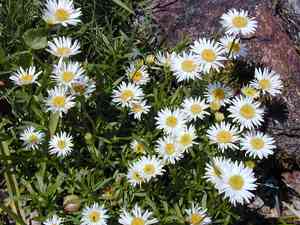
Hyssopleaf fleabane (Erigeron hyssopifolius)
Also known as: Hyssop-leaved fleabane
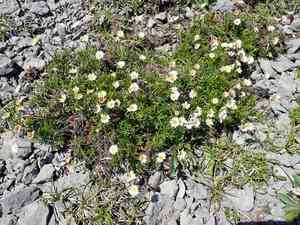
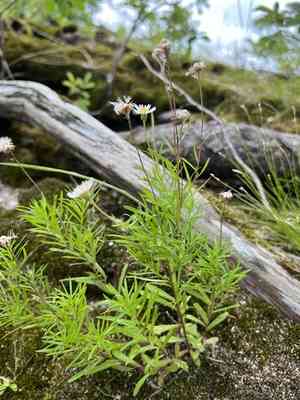
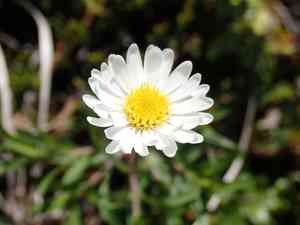
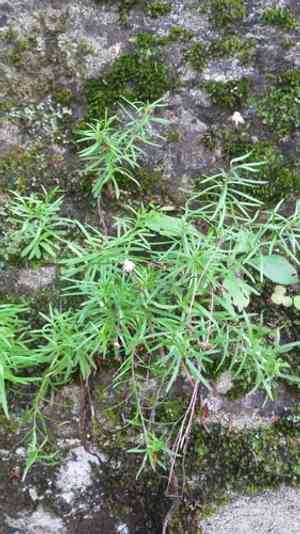
Hyssopleaf fleabane (Erigeron hyssopifolius) is a resilient perennial characterized by its narrow, hyssop-like leaves and daisy-like flowers with yellow centers and thin pink or white petals. Blooming abundantly in the summer, these flowers attract various pollinators. The plant thrives in well-drained soils and is commonly found in sunny to partially shaded areas such as meadows and open woodlands. It adapts well to its environment, flourishing with minimal competition from taller plants.
In This Article
Attributes of Hyssopleaf fleabane
Lifespan
Perennial
Plant Type
Herb
Plant Height
20-50 cm
Spread
Varies widely, generally a few centimeters
Leaf Color
Green
Flower Size
1-2 cm
Flower Color
White Yellow
Images of Hyssopleaf fleabane
Quickly Identify Hyssopleaf fleabane
1
To identify Erigeron hyssopifolius, look for its narrow, hyssop-like leaves and daisy-like flowers with white or pale pink petals and yellow centers. The plant usually grows in clusters.
Scientific Classification of Hyssopleaf fleabane
Phylum
Vascular plants
Class
Dicotyledons
Order
Asterales
Family
Daisy
Genus
Fleabanes
Species
Hyssopleaf fleabane
Planting and Growing of Hyssopleaf fleabane
Care Difficulty
Easy
Watering Schedule
Every 4 days
Sunlight Requirements
Full sun
Sunshine Duration
6-10 hours
Ideal Temperature
65-75℉
Soil Type
Potting Mix, Peat Mix
Soil pH
6.5-7.5
Fertilizer Type
Balanced
Pruning Season
Spring, Summer
Pruning Area
Branches, Leaves
Pruning Frequency
2 times a year
Repotting Season
Spring
Pot Type
Plastic, Ceramic
 How to Water Hyssopleaf fleabane?
The watering amount for Erigeron hyssopifolius should be just enough to moisten the soil without creating pooling water. Ensure the soil is evenly damp, around 200 ml per session, aiming for the soil to remain slightly moist between waterings without becoming soggy.
What are the symptoms of an underwatered Hyssopleaf fleabane?
›
What should I do if my Hyssopleaf fleabane is not getting enough water?
›
What are the symptoms of an overwatered Hyssopleaf fleabane?
›
How to save an overwatered Hyssopleaf fleabane?
›
 What Are the Sunlight Requirements for Hyssopleaf fleabane?
Erigeron hyssopifolius prefers full to partial sun, benefiting from about 4 to 6 hours of sunlight daily. Optimal light helps in robust growth, vibrant bloom colors, and maintaining plant health. It improves photosynthesis efficiency, enabling nutrient absorption and vigorous development.
What is the best type of light exposure for this plant?
›
Why is light important for Erigeron hyssopifolius?
›
How to ensure the plant gets ideal light conditions?
›
 What Is the Ideal Temperature Range for Hyssopleaf fleabane?
The ideal temperature range for Erigeron hyssopifolius is between 65°F to 75°F. Maintaining this temperature range helps ensure optimal growth and flowering, as it closely mimics the conditions the plant would naturally thrive in.
 What Soil is Best for Hyssopleaf fleabane?
Erigeron hyssopifolius thrives in well-draining soil, which prevents root rot and ensures the roots receive the right amount of oxygen. This soil characteristic is crucial as it allows rainwater to seep through quickly without waterlogging the plant, promoting healthy growth and vibrant blooms. This plant prefers loam soil, which offers a balanced mix of sand, silt, and clay. The loamy texture provides fertility and moisture retention while still allowing air circulation, which is essential for a plant like Erigeron hyssopifolius that enjoys occasional dry periods between watering. Nutrient-rich soil is beneficial for the proper development of Erigeron hyssopifolius, especially during its flowering phase. Providing a soil with balanced nutrients ensures strong plant structure and enhances its resistance to pests and diseases, thereby extending the plant's lifespan.
 How to Fertilize Hyssopleaf fleabane?
For Erigeron hyssopifolius, a balanced approach to fertilization is crucial. Utilize a diluted liquid fertilizer at a quarter of the recommended strength to prevent over-nourishment, applying it consistently to maintain plants' health.
 How to Prune Hyssopleaf fleabane?
If your plant becomes too bushy or starts to lose shape, trim back overgrown stems to maintain its form. This encourages a more compact, attractive look. Be cautious to not remove more than one-third of the plant at a time. As the seasons change, adjust your pruning slightly to accommodate the plant's needs. In early spring, focus on shape and health, while in early summer, aim to enhance blooming. Always be gentle to avoid causing unnecessary stress.
More About Pruning Techniques→
 How to Propagate Hyssopleaf fleabane plant?
1
Prepare a seed bed with well-draining soil. Mix in some organic matter to provide nutrients. Sow the seeds thinly and cover them lightly with soil. Water gently to ensure the soil is moist but not waterlogged.
2
Select a healthy, non-flowering stem from the parent plant and cut a 4-6 inch segment. Remove the lower leaves and dip the cut end in rooting hormone. Place the cutting in a pot with well-draining soil mix.
3
Carefully dig up the parent plant and divide its root clump into smaller sections. Ensure each section has roots and shoots. Plant each division into a container or directly in the ground at the same depth it was growing.
 How to Repot Hyssopleaf fleabane plant?
1
Erigeron hyssopifolius should be repotted when its roots start to outgrow the current pot, evident by the appearance of roots through drainage holes. Additionally, if the plant shows signs of poor growth or soil compaction, these are clear indicators that it needs a new pot.
2
Choose a pot that is one size larger than the current pot. It should have adequate drainage holes to prevent waterlogging, which can lead to root rot. Materials such as clay or ceramic are preferred as they provide better airflow and keep the roots healthy.
3
Opt for a well-draining sandy soil mix to mimic its natural habitat. This type of soil ensures that excess water drains away quickly, reducing the risk of root rot and keeping the plant healthy.



