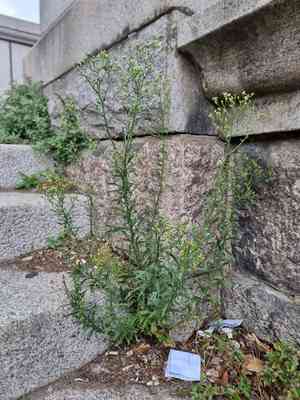
Erigeron floribundus (Erigeron floribundus)
Also known as: Hairy Fleabane, Karwinsky's Fleabane
The plant Erigeron floribundus, also often referred to as tall fleabane, Bilbao's fleabane, or many-flowered fleabane, typically lives for one to two years. Its native range spans from South America to Mexico although it has been introduced to various regions across the globe.
In This Article
Attributes of Erigeron floribundus
Lifespan
Erigeron floribundus is a perennial plant
Plant Height
30-60cm
Spread
20-40cm
Leaf Color
Green
Flower Size
0.5-1cm
Flower Color
White to pale pink
Images of Erigeron floribundus
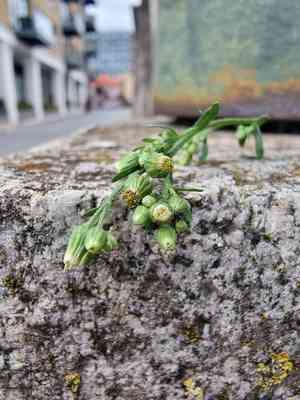
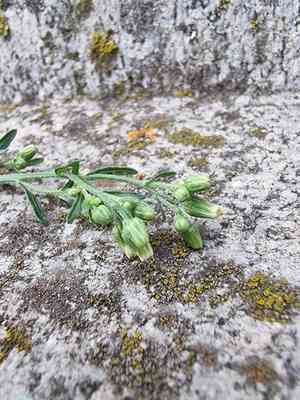
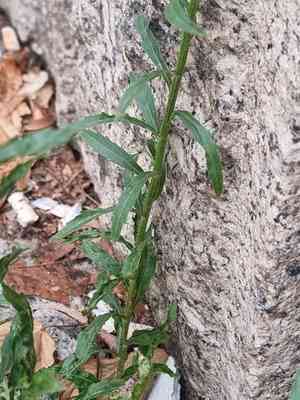
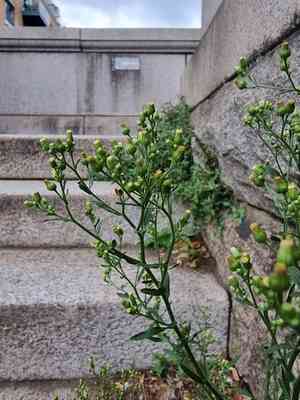
Quickly Identify Erigeron floribundus
1
Look for hairy stems, narrow leaves, and clusters of small, daisy-like flowers. It often grows in disturbed areas.
Scientific Classification of Erigeron floribundus
Phylum
Magnoliophyta
Class
Magnoliopsida
Order
Asterales
Family
Asteraceae
Genus
Erigeron
Species
E. floribundus
Planting and Growing of Erigeron floribundus
Care Difficulty
Moderate
Watering Schedule
Every 2 days
Sunlight Requirements
Partial sun
Sunshine Duration
6-10 hours
Ideal Temperature
65-75℉
Soil Type
Potting Mix, Peat Mix
Soil pH
6.5-7.5
Fertilizer Type
Balanced
Pruning Season
Spring, Summer
Pruning Area
Branches, Leaves
Pruning Frequency
2 times a year
Repotting Season
Spring
Pot Type
Plastic, Ceramic
 How to Water Erigeron floribundus?
For Erigeron floribundus, water the plant until the soil feels evenly moist to the touch but not waterlogged. Ensure the water penetrates deeply enough to reach the roots, as shallow watering may not satisfy the plant's needs. Approximately 250 ml per session is adequate.
What are the symptoms of an underwatered Erigeron floribundus?
›
What should I do if my Erigeron floribundus is not getting enough water?
›
What are the symptoms of an overwatered Erigeron floribundus?
›
How to save an overwatered Erigeron floribundus?
›
 What Are the Sunlight Requirements for Erigeron floribundus?
Erigeron floribundus thrives in partial sun with 4 to 6 hours of light daily. Ideal lighting promotes healthy growth, robust flowering, and disease resistance.
What is the optimal lighting for Erigeron floribundus?
›
How to achieve ideal lighting for Erigeron floribundus?
›
Benefits of achieving ideal lighting for Erigeron floribundus?
›
 What Is the Ideal Temperature Range for Erigeron floribundus?
The ideal temperature range for Erigeron floribundus to thrive is between 65°F and 75°F. This range allows the plant to carry out its physiological processes efficiently, promoting optimal growth and flowering. Maintaining temperatures within this range minimizes stress and ensures robust development.
 What Soil is Best for Erigeron floribundus?
Erigeron floribundus thrives in well-draining soil, which allows water to flow through easily, preventing root rot. This requirement is essential as it ensures that the plant roots receive adequate air while avoiding excessive moisture. The plant prefers soil with moderate nutrient content. It doesn't need overly rich soils, which is beneficial as it reduces the need for frequent fertilization, making it more suitable for low-maintenance gardening. Good soil aeration is crucial for Erigeron floribundus. It allows roots to breathe and access oxygen, promoting healthy growth. This requirement ensures that the plant can establish strong roots and contributes to its overall robustness.
 How to Fertilize Erigeron floribundus?
When fertilizing Erigeron floribundus, ensure that you use a balanced fertilizer at a rate of about half the recommended amount for typical flowering plants. It's crucial to avoid over-fertilizing, as this plant is not heavy in nutrient requirements.
 How to Prune Erigeron floribundus?
When pruning Erigeron floribundus, start by inspecting the plant for any dead or damaged stems and remove them carefully at the base. Continue by cutting back any overly long or straggly stems to promote a more compact shape. Use clean, sharp pruning shears to make precise cuts just above a node or a pair of leaves. This encourages branching and results in a bushier plant. Regularly check for and trim any flowers that have faded as deadheading can prolong the blooming period and encourage more vibrant flowers.
 How to Propagate Erigeron floribundus plant?
1
Collect seeds from mature Erigeron floribundus plants in late summer. Ensure seeds are fully dried before storing in a cool, dry place until ready for planting.
2
Choose healthy, non-flowering stems for cuttings. Cut at an angle just below a node, and remove leaves from the lower part to reduce moisture loss.
3
Sow seeds thinly in a seed tray filled with seed-starting mix. Cover lightly with soil, water gently, and place in a warm, bright location, maintaining consistent moisture until germination.
 How to Repot Erigeron floribundus plant?
1
Erigeron floribundus signals the need for repotting when its roots begin protruding from the drainage holes, indicating inadequate space. Repotting should occur during active growth in spring or summer to ensure minimal stress to the plant.
2
Select a pot that is one size larger than the current pot, with adequate drainage holes. This ensures that excess water can escape easily, preventing root rot and encouraging healthier plant development.
3
Opt for a well-draining potting mix that accommodates good airflow and moisture retention. This type of soil prevents waterlogging, reduces the risk of root rot, and favors the plant's natural growth conditions.
Learn More About Erigeron floribundus Diseases
Anthracnose
Bacterial Leaf Spot
Bacterial Soft Rot
Bacterial Wilt
Black Spot
Chemical Injury
Crown Gall
Cyst Nematode
Damping-off
Downy Mildew
Drought Stress
Fusarium Wilt
Gray Mold
Leaf Spot
Mosaic
Nutrient Deficiency
Nutrient Toxicity
Powdery Mildew
Root Rot
Root-knot Nematode
Rusts
Sooty Mold
Spider Mites
Temperature Stress
Thrips Damage
White Mold

